Meet the architect who created a home for rugby in Limerick
Eve Kelliher talks to architect and rugby fan Níall McLaughlin who believes collaboration is the secret to good design
Meet the architect who created a home for rugby in Limerick

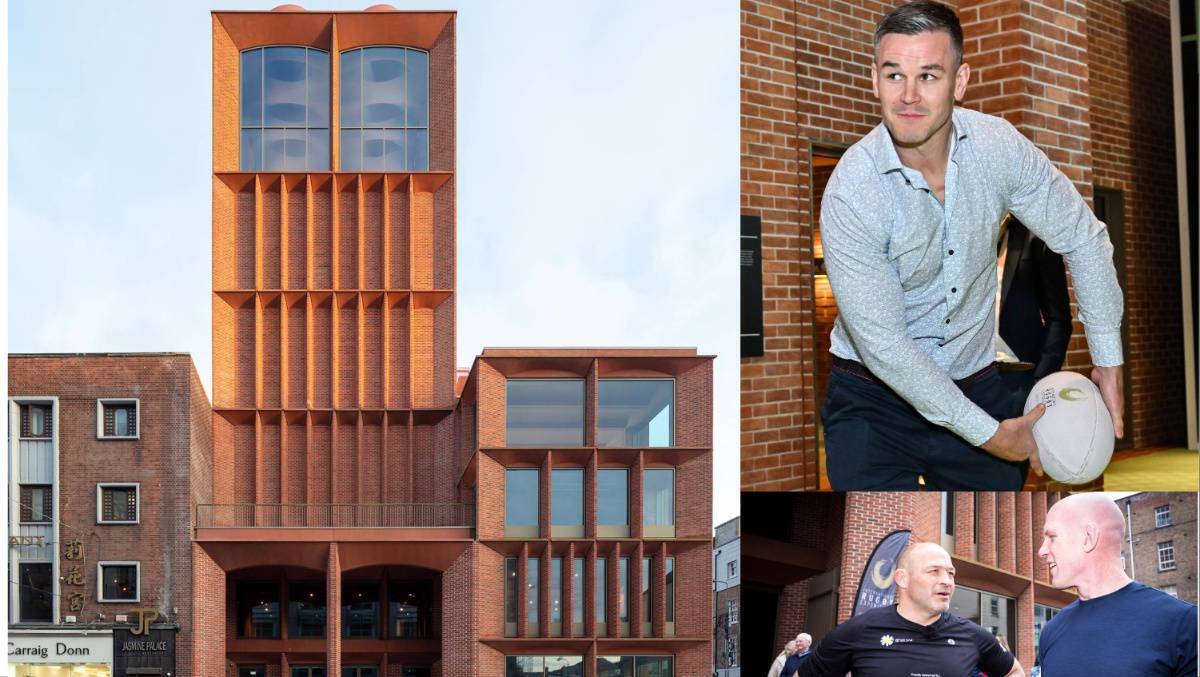
The International Rugby Experience in Limerick, left.

Rugby and teamwork are always playing on Níall McLaughlin's mind.

As the architect was working onsite in southern France, a week ago, he received an invitation to watch the Ireland-Scotland match. 

He had been due to return to his base in London but happily changed his plans, to  "pull on my green jersey in Stade de France”, he says. 
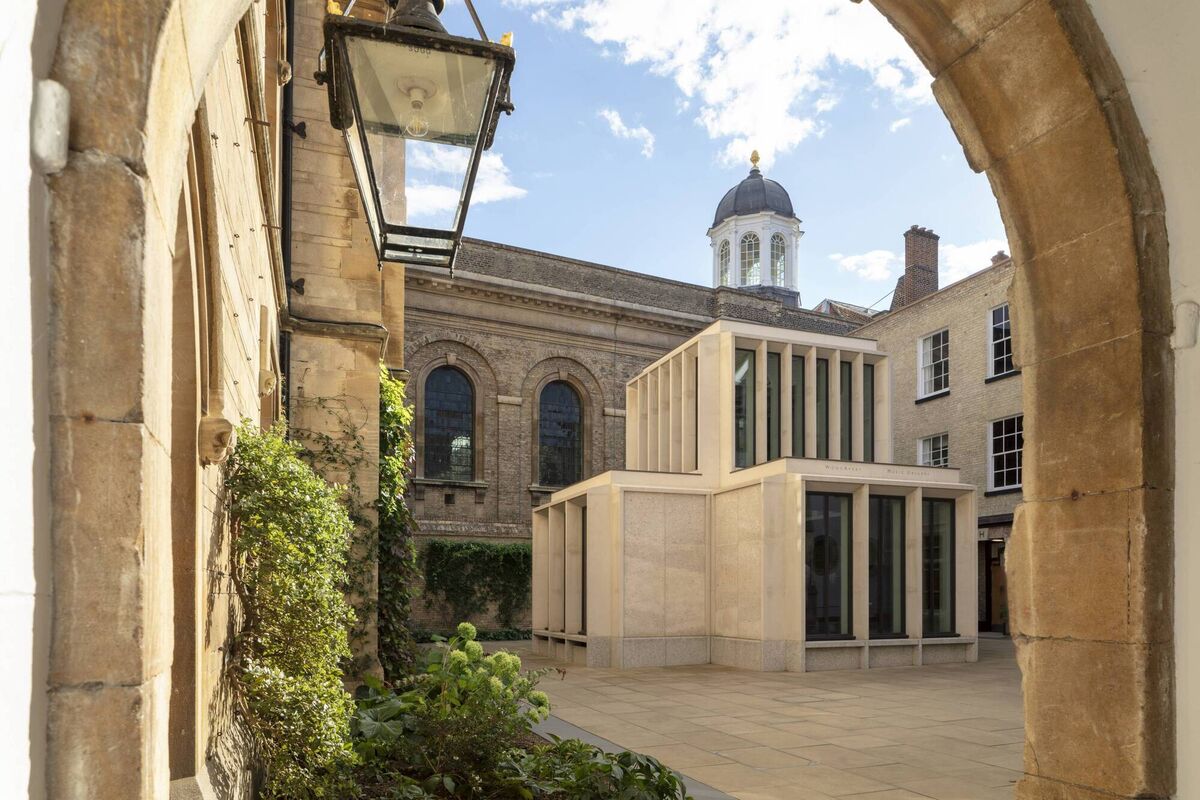
The Song School, Trinity Hall, Cambridge, designed by Níall McLaughlin. Picture: Nick Kane

It’s the same “pride in the jersey” that he felt while creating the International Rugby Experience in Limerick.

“The guys installing the windows would be sending me WhatsApp videos of themselves at work — ‘here, look what we’re doing’; it was like a sporting event in itself. There’s a lot of buy-in,” says Níall.
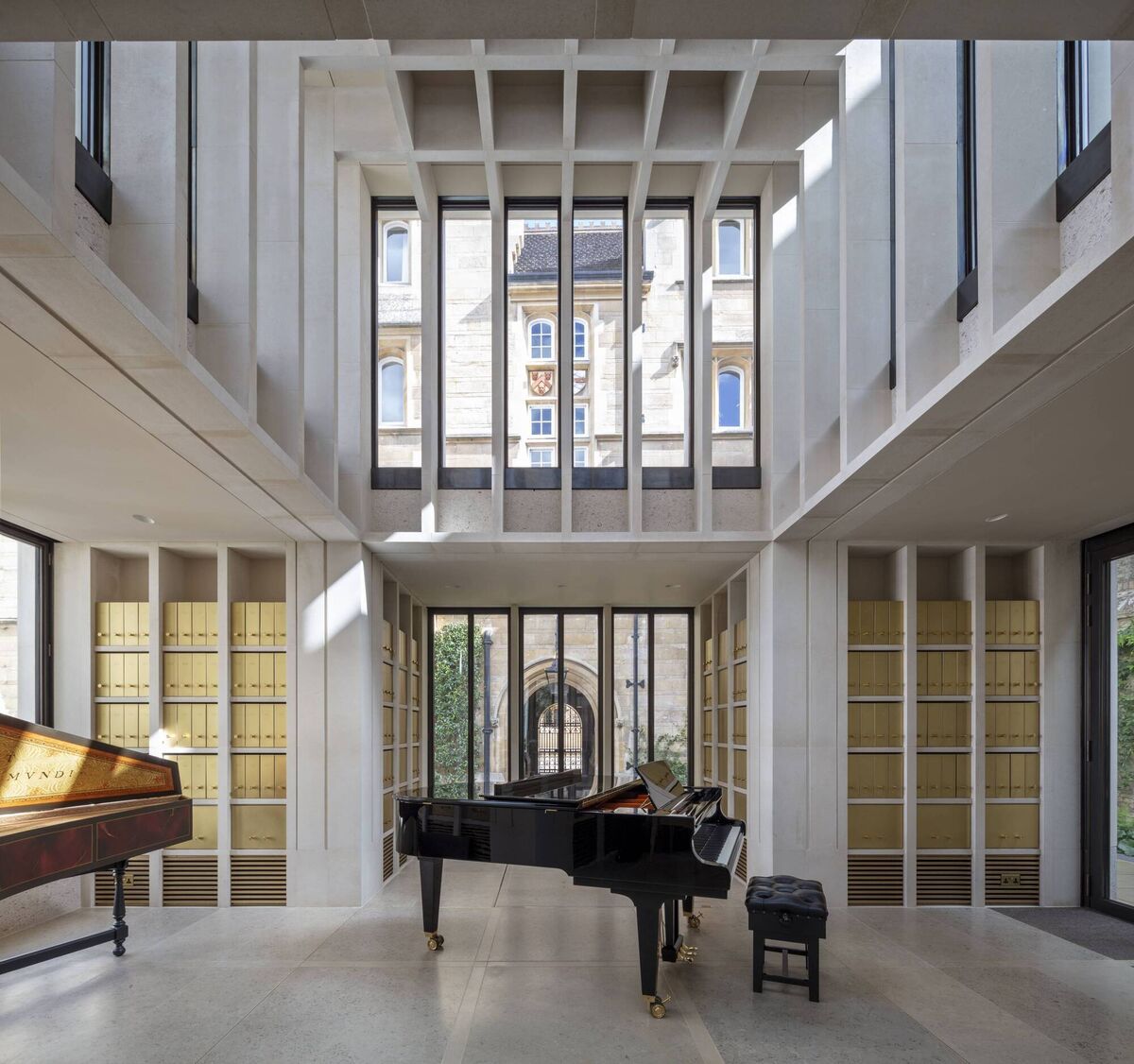
Interior: The stone-built music space for Trinity Hall, Cambridge. Picture: Nick Kane

This is wonderful because so many people are alienated by modern architecture. There’s that sense of abstraction and alienation.”

The International Rugby Experience was voted the nation’s favourite building when it won the public choice category at the RIAI Irish Architecture Awards 2023, in June.

The International Rugby Experience in Limerick. Picture: Nick Kane

Its architect is no stranger to top-flight accolades, having clinched the coveted RIBA Stirling Prize for the New Library at Magdalene College, Cambridge, in 2022.

Practising in London, Níall’s work is celebrated across Ireland, the UK and Europe for high-quality designs from education to culture and housing.

“In a project like the one we did on O’Connell Street in Limerick; everybody’s voice was part of that project. It becomes a collaboration. And then when the building is completed, everybody feels it’s a part of them,” says Níall.

Fittingly, #Collaboration is the central theme of the Royal Institute of the Architects of Ireland annual conference this week.

Fresh from Ireland’s victory in Paris on Saturday, Níall arrived in Dublin this week to address the event as its keynote speaker on Wednesday and Thursday.

It has become increasingly apparent that collaboration is key to addressing and solving ongoing environmental and architectural challenges, such as climate change, affordable housing and the need for liveable cities and towns, according to the RIAI president, Charlotte Sheridan.

“We are facing an array of challenges within our industry and the built environment professions can no longer work in a silo or hierarchical manner,” she says.
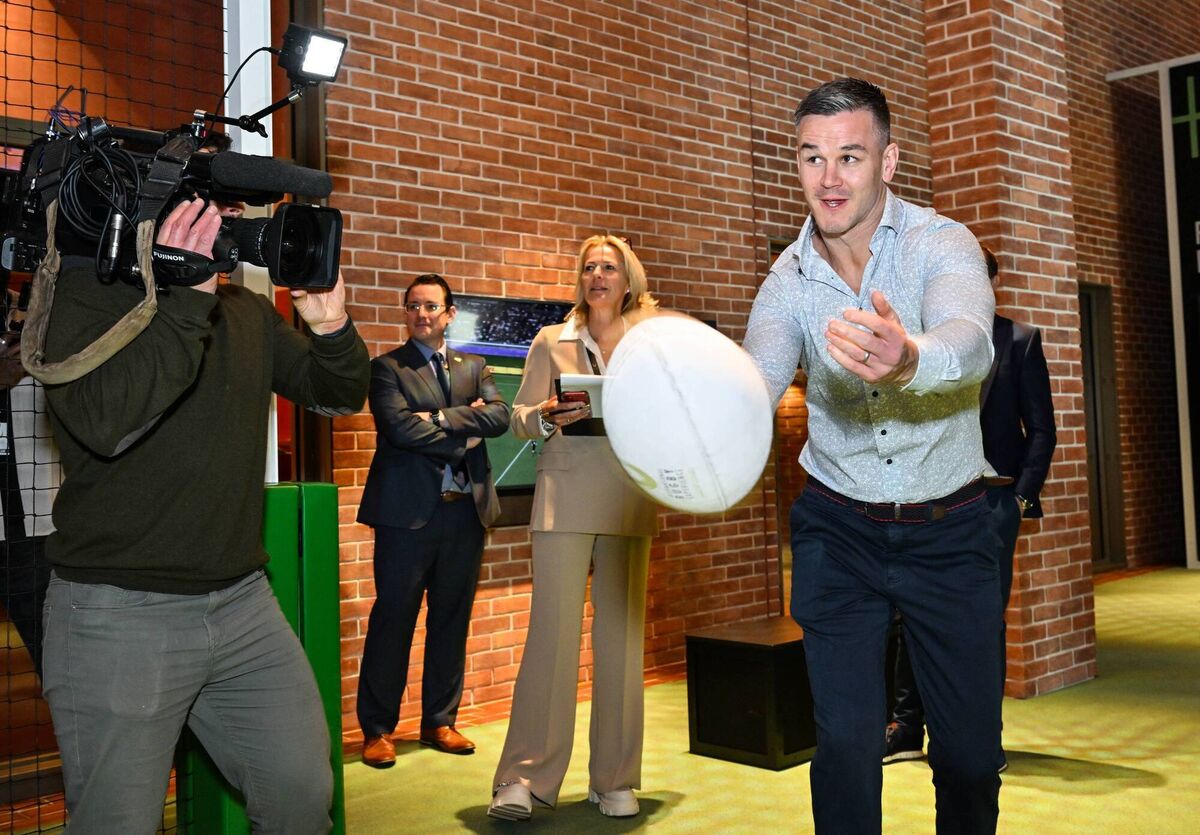
Jonathan Sexton tests his passing skills at the International Rugby Experience opening in May. Picture: Diarmuid Greene

“We also need to make sure that projects can’t be driven by metrics that are not aligned to national interest and societal and economic need. We have therefore placed collaboration and sustainability at the heart of the conference and have invited our built environment colleagues to debate these issues with us.”

Architects, these days, are “not solo individuals”, agrees Níall. “It’s a collaborative task. It is all about orchestrating large numbers of people.

“In the International Rugby Experience building project, there would have been five or six people in my office, and the engineers and consultants onboard would have brought it up to 30, the builders up to 50, the window suppliers, delivery teams and installers, to 100 — all of them contributing,” he says. 
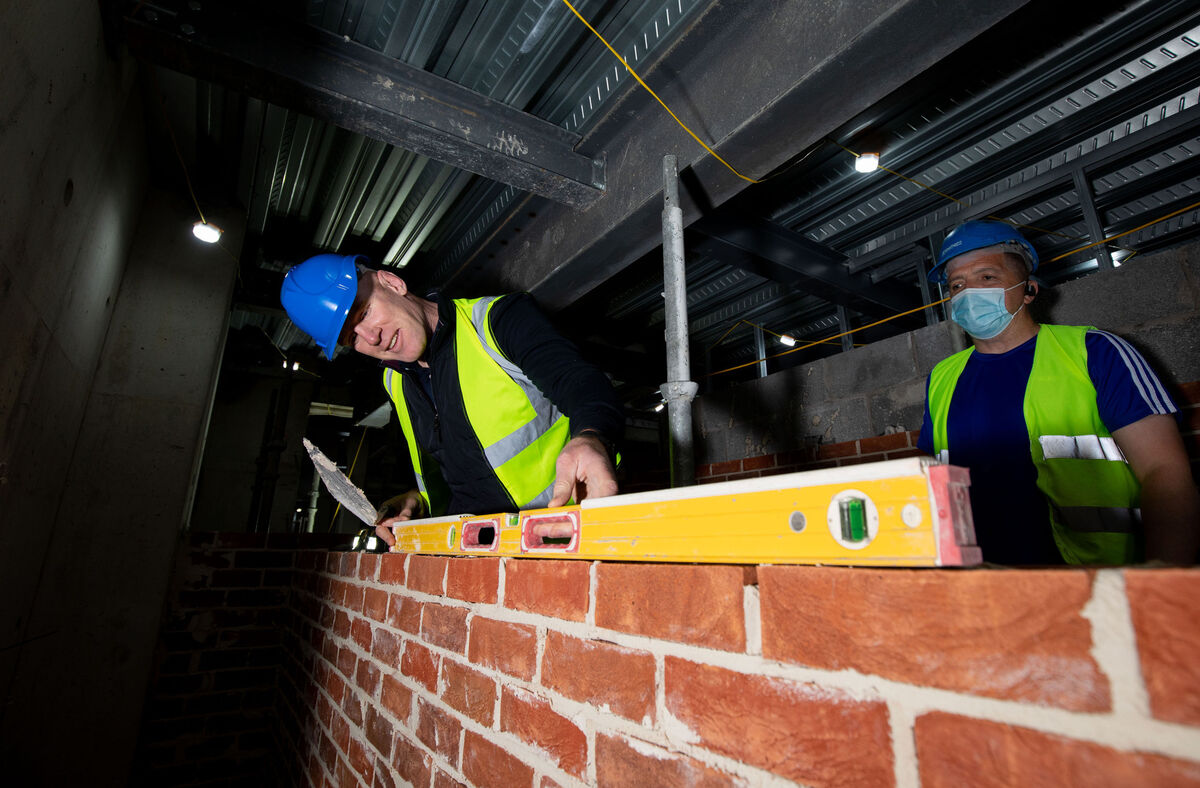
Chair of the International Rugby Experience Paul O'Connell pictured laying bricks. Picture: Alan Place

“We need to make sure that everybody’s creativity is respected in the process,” he says. 

“The wonderful thing is there’s always someone with a particular area of expertise who knows more than yourself, about brickwork, concrete. It’s not like people imagine, dashed off at a stroke.”

For Irish television fans, Níall is the architect who designed Dermot Bannon’s favourite house — one he had waited 10 years to see.

For Irish television fans, Níall is the architect who designed Dermot Bannon’s favourite house — one he had waited 10 years to see.

Dermot Bannon at the house in Goleen, Cork, designed by Níall McLaughlin.

The architect and presenter of RTÉ’s Room To Improve featured the West Cork house on Dermot Bannon’s Incredible Homes, having come face to face with his idol the previous year on Room To Improve: Dermot’s Home.

The International Rugby Experience has been lauded for its transformative effect on Limerick’s inner city and has become a national and international destination.

Located in the heart of the city the new cultural hub was created with the aim of reinvigorating the urban landscape as well as complementing the existing arts and heritage attractions and of course, forging links with Munster rugby.

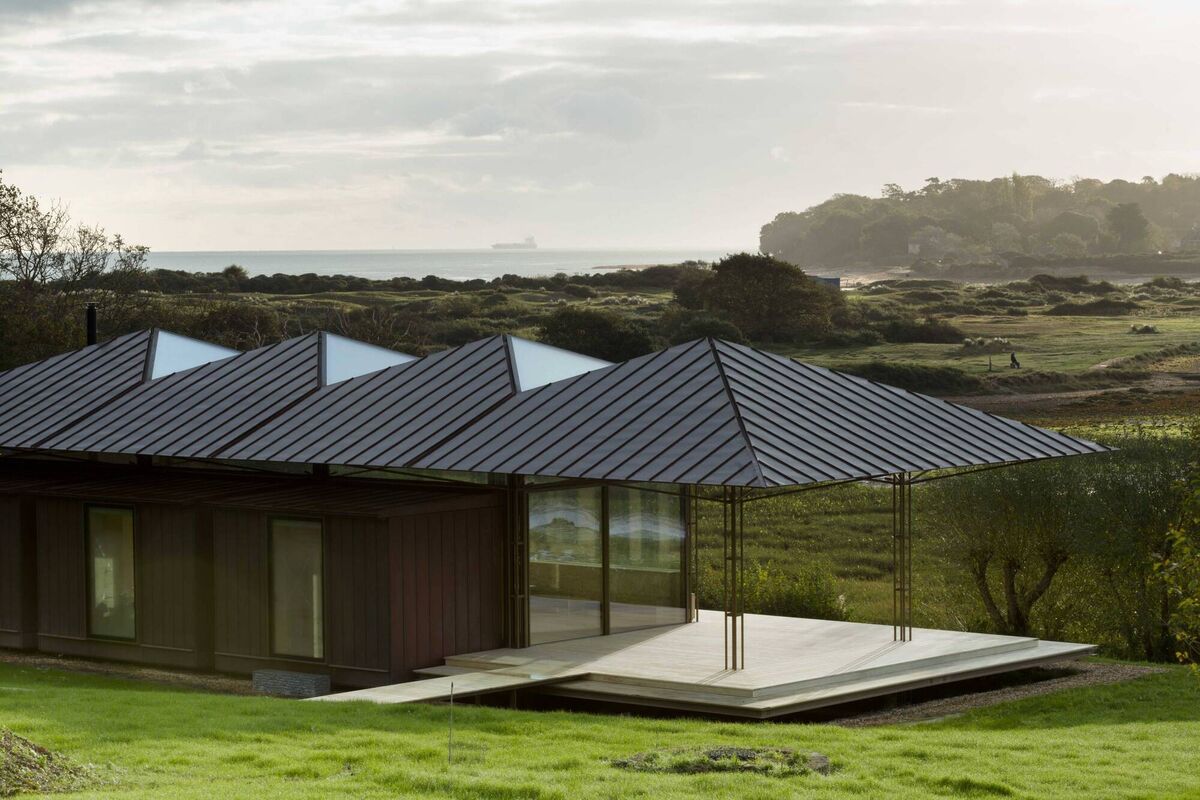
Saltmarsh House on the Isle of Wight, a cantilevered steel and copper-clad garden pavilion by Níall McLaughlin Architects and Millimetre. Picture: Glasshopper

The new building sits on the edge of a conservation area within Limerick’s Georgian Quarter. 

“On such a tight urban site, the challenge lay in creating a building with capacity for the intended use but that sits comfortably in the context of the finer grain of the Georgian Quarter,” says Níall.

The design approach was to consider this as a special civic building rather than a townhouse and the architectural proposals were developed through research into historic civic buildings set in Georgian streetscapes, referencing the scale of churches and civic halls.
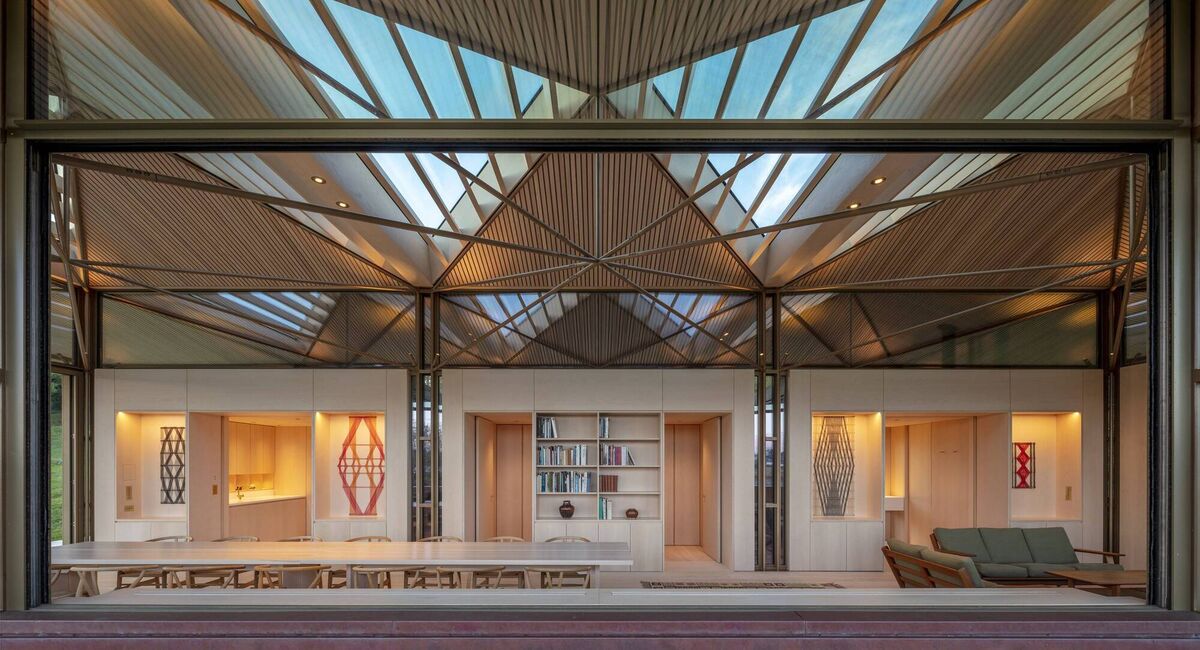
Interior of Saltmarsh House, designed in 2021, a house overlooking a tidal salt marsh in the northeast of the Isle of Wight.

The building features a public hall at the top. A grand entrance portico addresses the main street, providing shelter and creating a public space below where visitors gather — and fans can meet on match days.

“Both inside and out, structural forces are expressed through brick and concrete detailing to create a building that reflects some of the forces found in the game of rugby,” adds Níall.

While celebrates the game at an international level, it is located in the very centre of Limerick city — known throughout the world as the spiritual home of rugby.

Paul O’Connell at the launch of the six-storey International Rugby Experience. Picture: Diarmuid Greene

“For me as a big rugby fan being involved was wonderful, especially being involved in a project with the likes of my heroes such as Paul O’Connell,” adds the architect speaking of the Ireland, Munster and 2009 British & Irish Lions captain who is also chair of the project.

For Níall, once onsite, he felt “everybody was really invested in it”. “They all wanted to make it work — this was something for the city. It was a proper, old-fashioned civic project,” he says.

After decades years working in architecture, he adds, “that isn’t always the case these days”.

“Everybody saw it as a building in the centre of the city representing something the city was famous for. It was a real pleasure to work on.
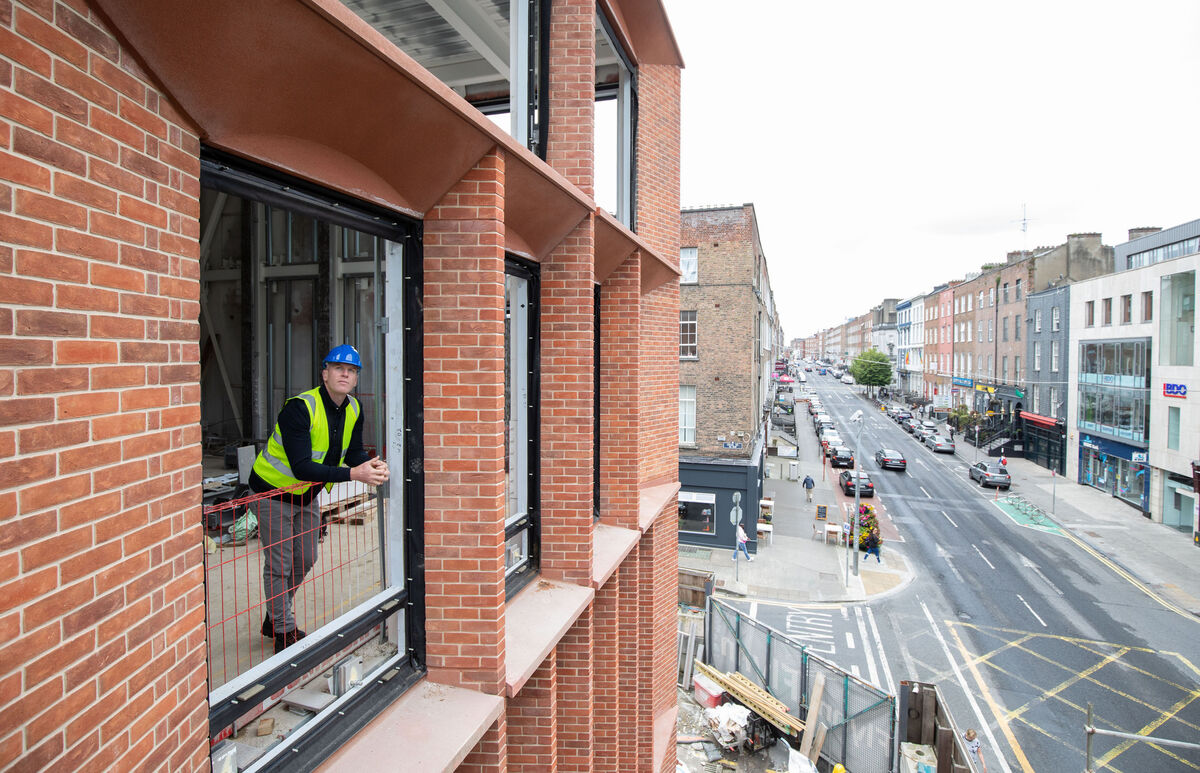
Paul O'Connell, chair of the International Rugby Experience, pictured onsite in 2021. Picture: Alan Place

“The funny thing about being an architect is: When you’ve finished a project you’ve to give it back to the world — give it away, and it’s really nice to see how people In Limerick respond to it.” 

Working on this one “couldn’t have been more vocational” for Níall.

“I haven’t played rugby for a bit — the knees are probably gone!” he jokes, Born in Geneva, Níall was raised in Dublin from the age of three and moved to London in his mid-20s after graduating from the School of Architecture at University College Dublin.

Now, he says he “flits” between both cities.
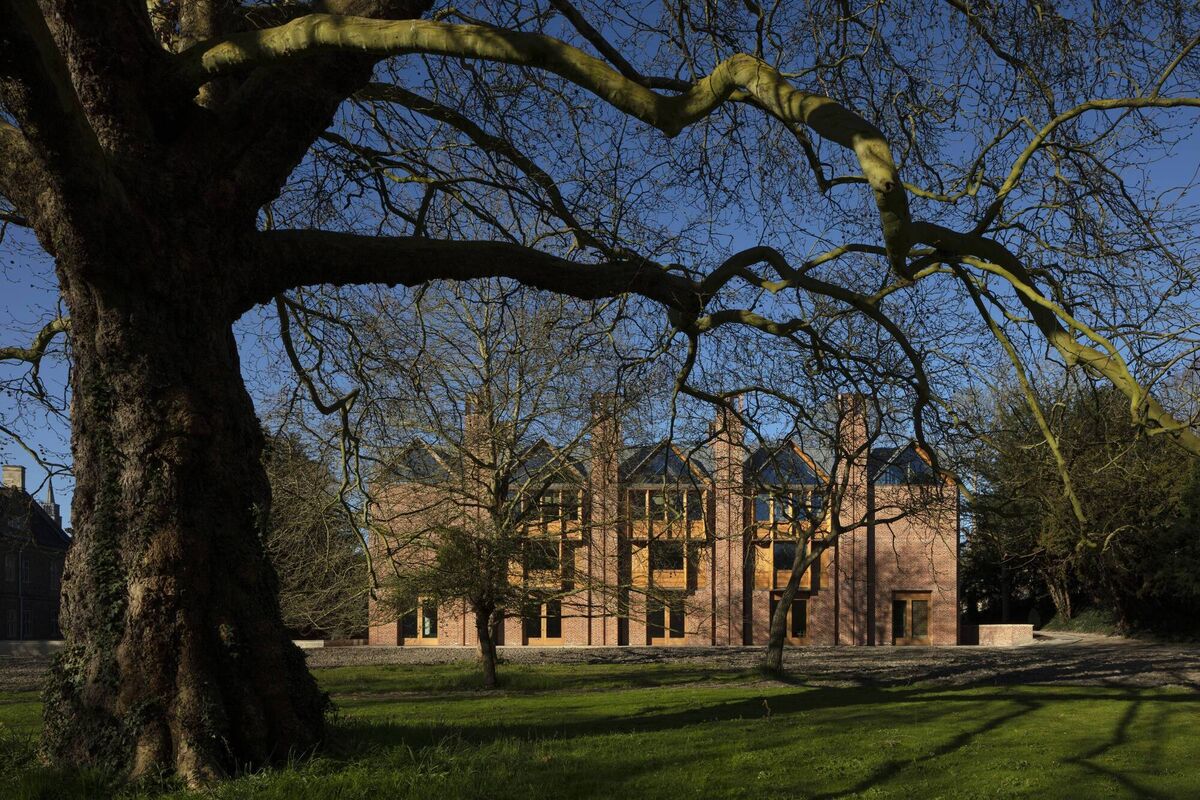
The new library, Magdalene College, Cambridge. Picture: Nick Kane

“I used to play at school — I went to St Michaels College in Dublin. That’s one of the nice things about living back in Dublin at weekends, on Saturday afternoons I pull the blue [Leinster] jersey on and down I go to the Aviva.
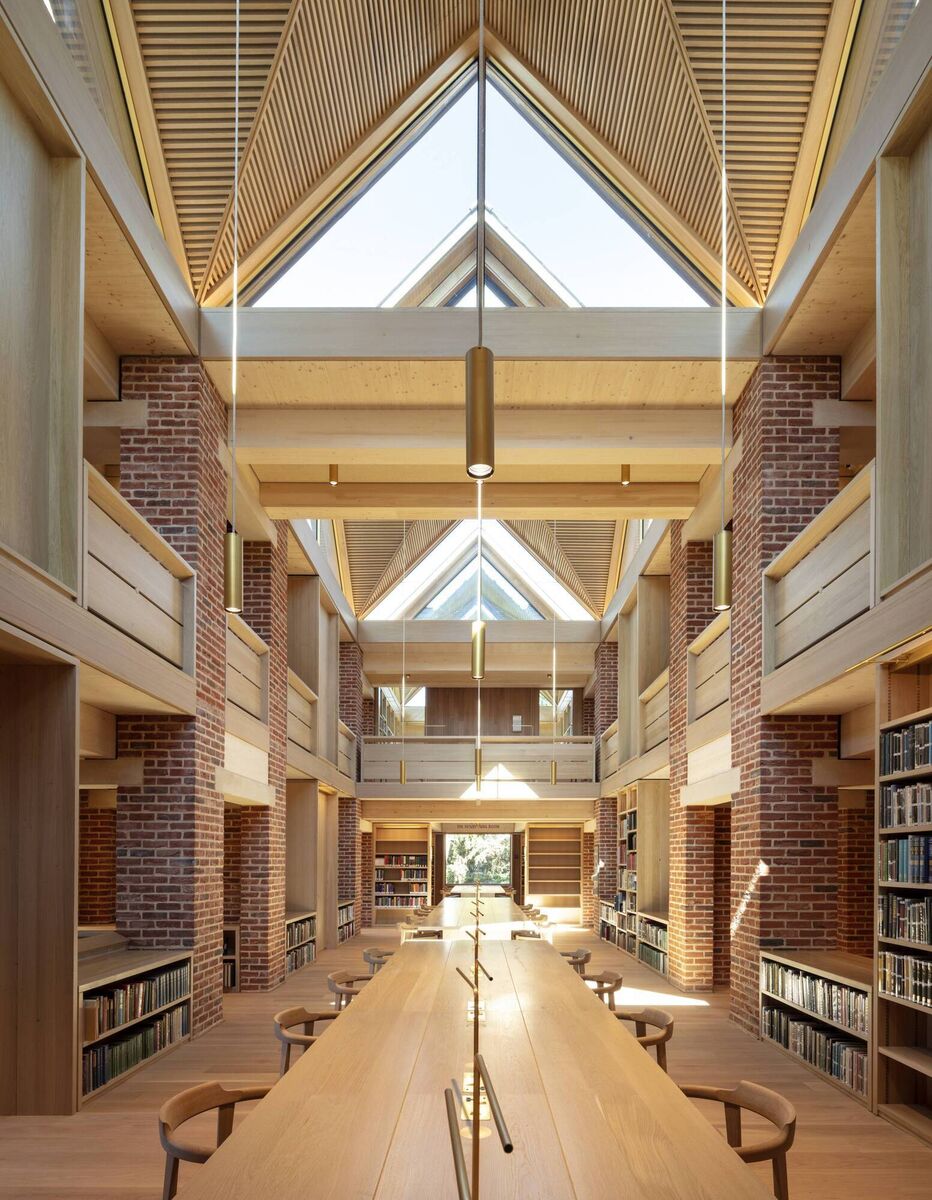
The interior of the library of Magdalene College, Cambridge. Picture: Nick Kane

“My sister lives down in Tralee and her family are all also big rugby fans. I’m sure the Munster-Leinster rivalry is wider than my family!” 

Níall did not always dream of becoming an architect. “I was filling out my CAO form and Architecture was Number 10 on the list. 

"But I saw this building in Dublin, a modern building, and I changed my mind. And it was the best thing I ever did. I fell on my feet when I went to that school in UCD,” he says.

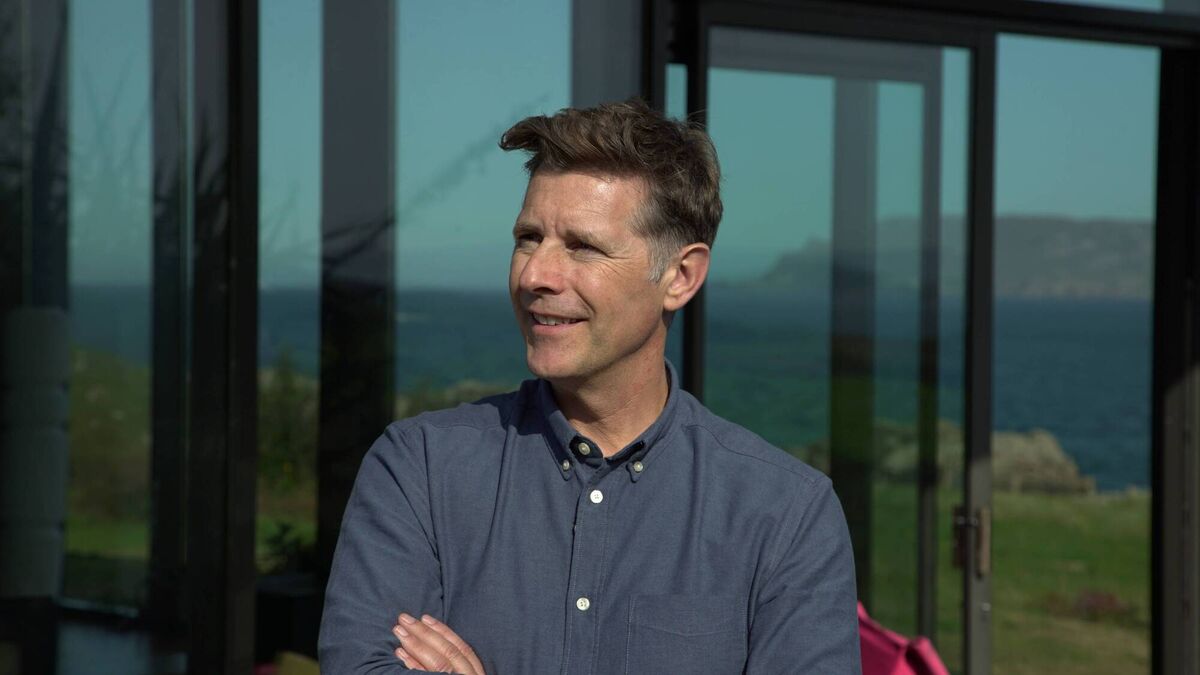
Architect Níall McLaughlin.

“I recently went to a class reunion, and it made me realise that when people are talking about a building they are making a promise about the future.

“Everyone thinks of a building as a thing, but it’s people and a place.”

More in this section

Revoiced

Newsletter

Sign up to the best reads of the week from irishexaminer.com selected just for you.

Cookie Policy Privacy Policy Brand Safety FAQ Help Contact Us Terms and Conditions

© Examiner Echo Group Limited