Peter Dowdall: How to take care of your lawn in autumn
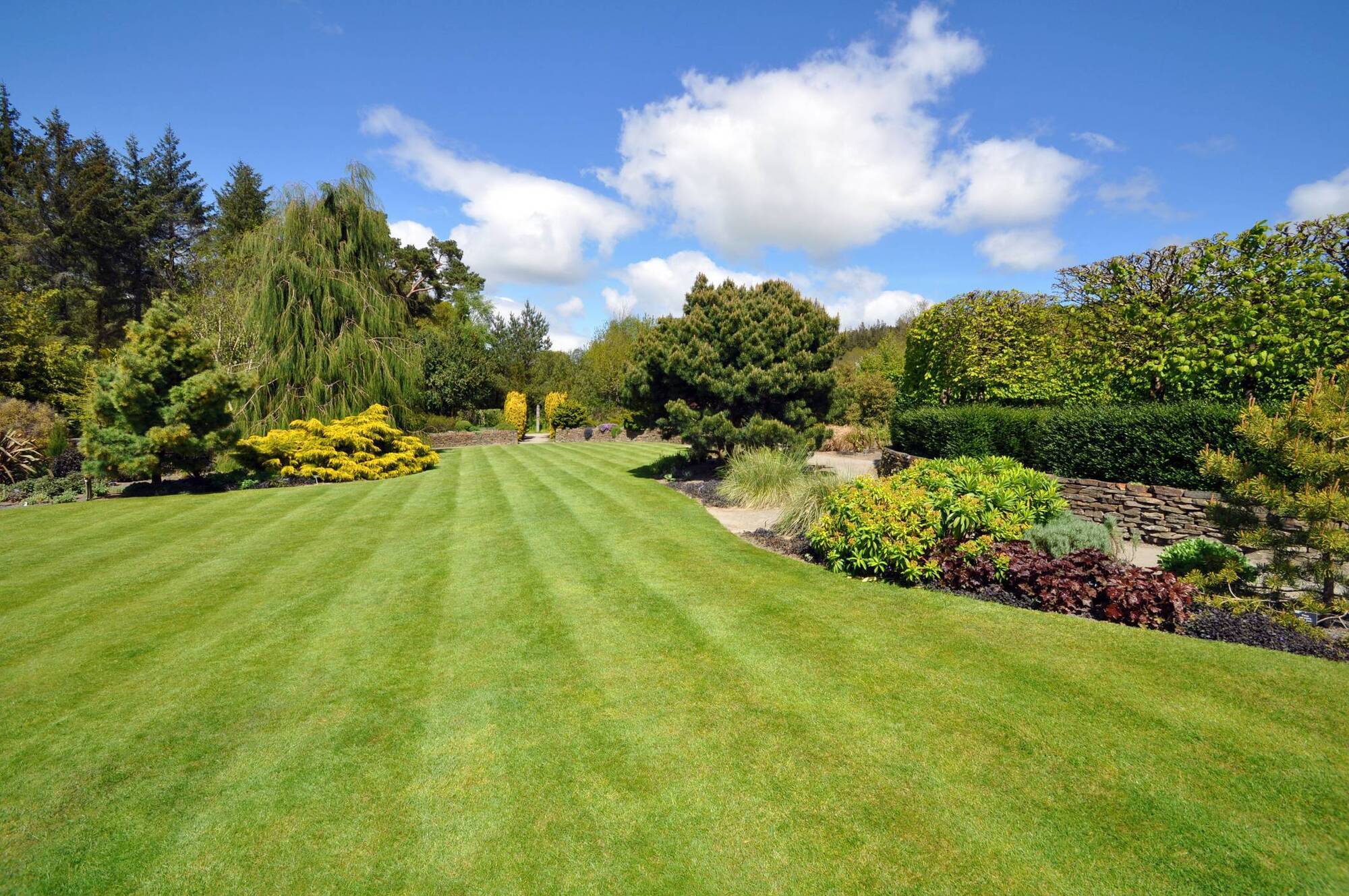
As he steps in and out between the rain showers, Peter Dowdall shares his seasonal garden secrets
Depending on how "perfect" you want your lawn will determine the amount of time and maintenance you want to put into it. File pictures

Depending on how "perfect" you want your lawn will determine the amount of time and maintenance you want to put into it. File pictures

I have been dodging the showers and grasping the sunny intervals between them over the last week and I’m sure those around me must have been wondering why I was so upset anytime the clouds opened.

It’s all because of my lawn. It hasn’t been cut in a few weeks because, firstly, I was bold enough to go away for a few weeks, then we had too much rain and then, when I did get out to tackle it, the wheel came off the lawnmower. So now, it’s nearly at the stage where I should ring the local farmer to come with a baler so we can bale some silage. It’s going to be quite the test for my battery-operated machine, but I’m hopeful.

As the summer fades away, it’s essential to pay some attention to autumn lawn care. This season, especially the countdown to winter, presents its own set of challenges for maintaining a healthy lawn.

Depending on how “perfect” you want your lawn will determine the amount of time and maintenance you want to put into it. Perhaps you are happy to let it totally rewild which means doing, pretty much nothing or maybe, you want it putting-green pristine.

Thatch, which is the build-up of dead and decaying material at the base of the lawn and at the soil surface, is the biggest challenge in lawn care. It is when the material builds up, quicker than it breaks down, that it becomes a problem, leading to ideal conditions for the development of fungal problems and the growth of moss.

Rake or blow the lawn to remove fallen leaves and debris that can suffocate the grass. The build-up of leaves on top of the grass can lead to fungal diseases and hinder healthy growth, leading to brown patches.

Aerating your lawn will improve air circulation and water absorption around the root zone.

This process involves creating small holes in the soil, allowing oxygen, water, and nutrients to reach the grass roots more effectively. Scarifying the lawn, which is, in effect pulling out the thatch with a mechanical rake is best done in spring but can also be done now.

The lawn will look worse before it looks better, which is why it is best done during March and April as the growth is more vigorous and it will improve quicker than at this time of the year.

As regards mowing, the textbooks and all the advice will tell you to reduce the frequency of mowing to about once every two weeks as the rate of growth slows.

As well as cutting the lawn less often, you should also begin to leave the grass a bit higher, gradually raising the cutting height of your lawnmower to allow the grass to grow slightly longer. Longer grass blades provide better protection against colder temperatures and reduce the risk of weed invasion.

I refer to this as textbook advice, because in the real world, we have to get out and cut it whenever the opportunity allows. Lawn grass is very forgiving and if it is cut too short, or not often enough, it will always recover and normally quite quickly.

However, do try and avoid cutting more than one-third of the grass height at once to prevent stress on the lawn.

Autumn feeding is quite different to spring and summer feeding. You don’t want to apply a high nitrogen feed which will encourage, dense new grass growth at this time of year. You want something which is higher in potassium and phosphorous to encourage good, healthy root development during the autumn and winter.

If your lawn has thin or bare patches, overseed them now with a quality lawn seed. Any good multipurpose mixture should do. Ensure good seed-to-soil contact by lightly raking the soil before and after seeding.

If mother nature doesn’t take care of it, then water the newly seeded areas regularly to keep the soil moist so that the seed doesn’t dry out and fail to germinate.

If you’re trying to maintain a lawn as just that and not as a wildflower area then the best way to prevent weed growth is by ensuring healthy grass growth meaning that you will have fewer weeds to remove.

The only way to remove weeds from a lawn is by hand as using any of the poisonous chemicals available should now be regarded by all, as unacceptable destruction of nature.

Aerating and scarifying will help to a small degree with drainage but if your lawn is waterlogging, then perhaps you will need to look at putting in some type of drainage system to remove the water.

However, don’t panic if it holds water after a particularly wet period as this will be quite natural.

So if the waterlogging is due to a high water table and not poor drainage, then there is really nothing that you can do, except learn to accept it and perhaps
alleviate the problem by planting moisture-loving plants around the lawn margins.

x

More in this section

Revoiced

Newsletter

Had a busy week? Sign up for some of the best reads from the week gone by. Selected just for you.

Cookie Policy Privacy Policy Brand Safety FAQ Help Contact Us Terms and Conditions

© Examiner Echo Group Limited