RTÉ’s Super Garden judges 'want to feel immersed in nature'

Ellen O'Regan talks to Monica Alvarez, longtime judge in the popular TV show, as the series begins and the budding gardeners dig in for the first episode
RTÉ’s Super Garden judges 'want to feel immersed in nature'

Monica Alvarez.

As RTÉ’s Super Garden returns to TV screens this week, longtime judge Monica Alvarez shares her secret to creating a great garden — putting down the hedge clippers and pesticides, and letting nature do its thing.

The 14th season of Super Garden follows five budding garden designers as they compete in Dunshaughlin, Co. Meath, to create a winning outdoor space, and get the opportunity to showcase their design at Ireland’s premier garden show, Bord Bia Bloom.
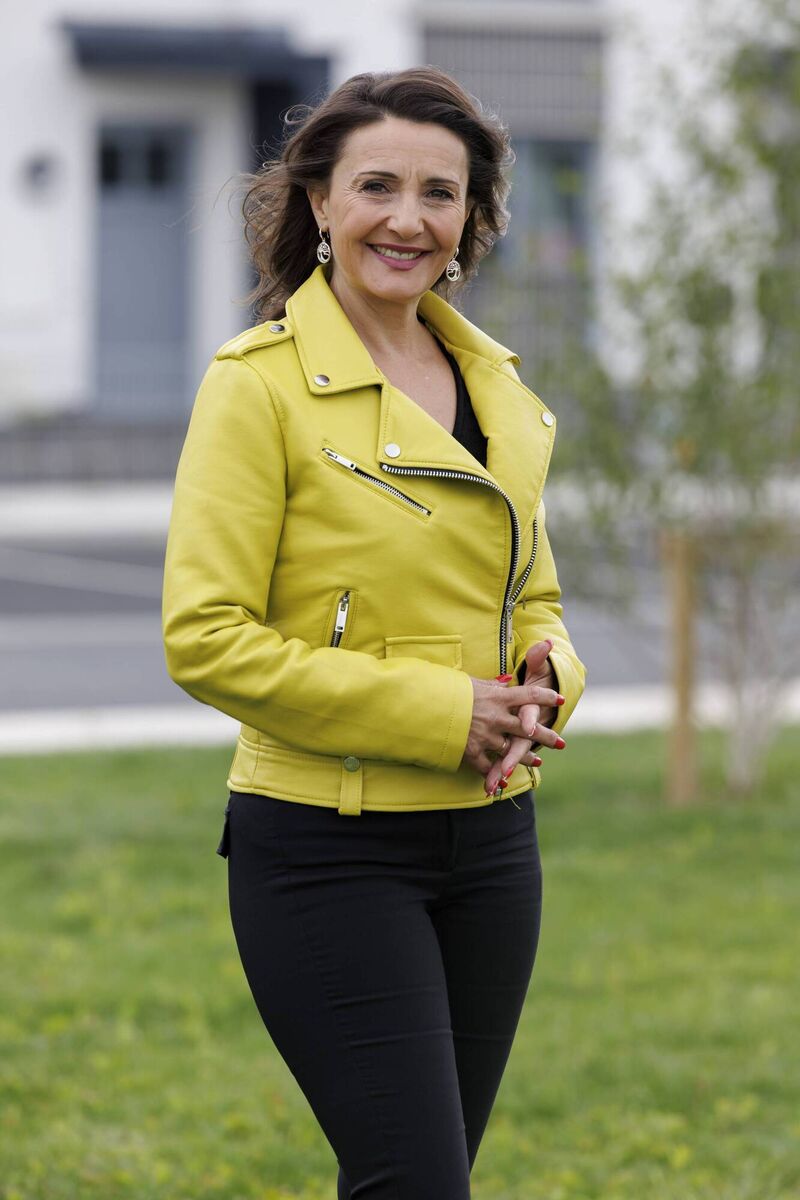
Super Garden's Monica Alvarez. Picture: Andres Poveda

With 20 years of experience as a garden designer and horticulture teacher, this is Monica’s eighth year on the Super Garden judging panel as a Dulux ambassador. Along with fellow judges Gary Graham (for Bord Bia Bloom) and Brian Burke (for Woodies), she says it was no easy task choosing a winner this year.

“Each garden brought a different highlight. One particular garden I could have picked as a favourite in relation to planting … there would have been a different garden whose shapes were fantastic — and then in another garden, the colour combinations were great. I have to say that it wasn’t all in the one pot, so that made it very, very difficult to choose,” she says.

In terms of what she always looks for in a garden, both as a judge and designer herself, it’s a “pleasant space” that makes you “feel that you are immersed in nature”.

Super Garden judges Brian Burke, Gary Graham and Monica Alvarez.

“You want to be choosing the correct combination of plants that makes the person feel that it is actually a very pleasant space — that the designer brings a sense of balance, and that the planting material would be the first thing that you see,” she says.

In her own cottage garden, a “work in progress” nestled between the Dublin Mountains and the sea near Rathfarnham, Monica says she embraces the natural wildlife and landscape.

“We’re very naturalistic, introducing plants that sit comfortably in an Irish landscape. We also have an undulated garden, the majority of my neighbours have the same undulation, and their first attempt is to flatten it and to make it terraced, [but] in my childhood I loved rolling down the hills of a green space, so my husband and I are delighted that we kept that natural undulation of the ground intact,” she says.
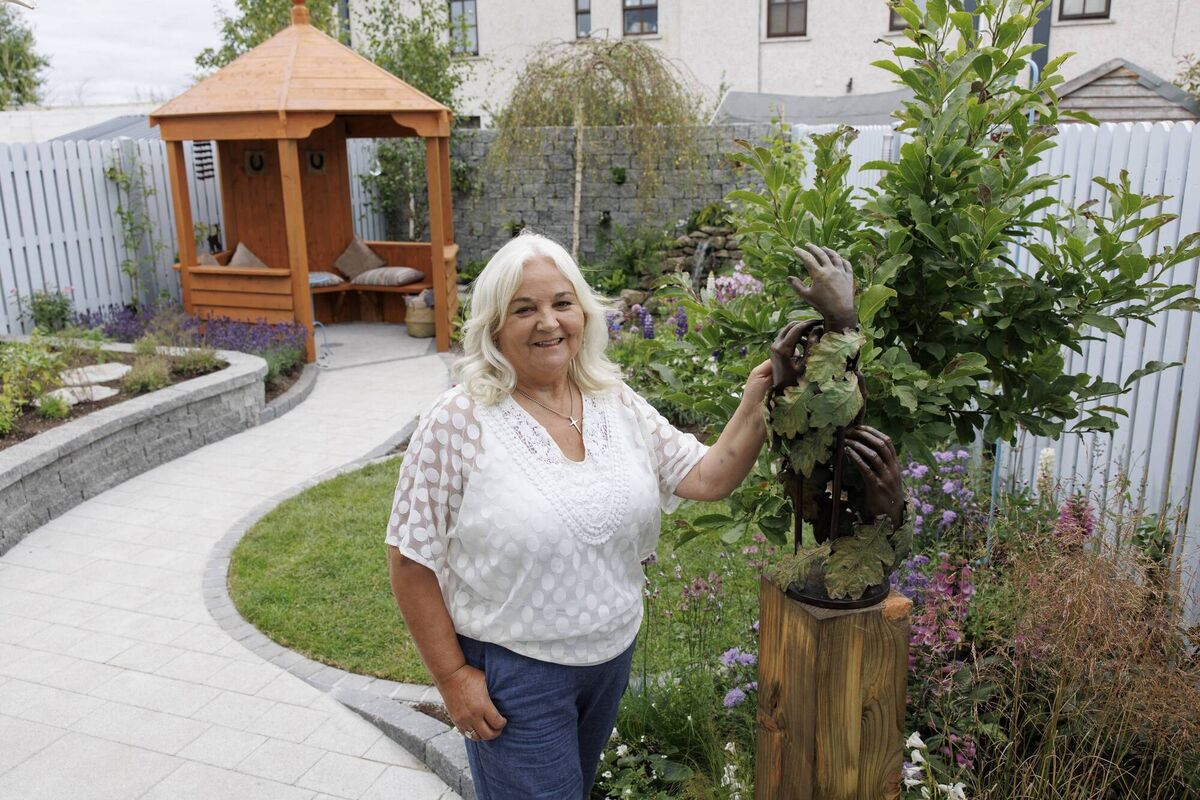
Beth Newman Maguire, a sculptor from Co Meath, in her finished "Super Garden". Picture: Andres Poveda

Monica says that more and more, she is embracing and promoting biodiversity in gardens, and a more hands-off approach to gardening.

“It’s funny how sometimes gardening, in the way it has been traditionally taught, becomes an enemy to nature. We were very quick to pick up a pesticide or a herbicide and call every pest and weed our enemy. We should learn from nature that once you have the certain balance of predators that will tackle those pests, then everything looks after itself,” she says.

For gardeners looking to do more for biodiversity and wildlife in their spaces, Monica’s first tip is to do less.

“Reduce the amount of manicured lawns you may have, that leaves more room for wild native flowers, and don’t be so worked up if you see a volunteer little native plant coming in, don’t be too quick to call it a weed. Let them have a space in the garden and observe how the bees and the butterflies and the birds come in,” she says.

Monica Alvarez.
Monica Alvarez.

Another top tip is to include a water feature somewhere in the garden “even if it’s a tiny little bit of water, just a little basin or a little water feature because insects need something to drink”.

She adds that taking a lighter-handed approach to shrubs and bushes not only helps wildlife but can cut down on hours spent trimming.

Beth Newman Maguire. Picture: Andres Poveda

“The hedge trimmer is called a hedge trimmer for that reason, because it’s ideal to cut the hedges, but every other shrub in the garden should be tackled with secateurs and loppers. There are loads of easy-to-follow videos on how to do pruning. If you do a proper job the shrubs are allowed to flower, the pollinators are going to thank you — and you only ever need to come back to it once a year!” she says.

Finally, Monica advises leaving the chemicals on the shelf.

“If you have a problem with a pest, either put a barrier to prevent the attack, or encourage a predator, or investigate companion planting that might deter the pest. That kind of approach is a lot more gentle for your family and your pets as well,” she says.

  • Super Garden returns to RTÉ One at 7pm on Thursday, April 27
x

More in this section

Revoiced

Newsletter

Sign up to the best reads of the week from irishexaminer.com selected just for you.

Cookie Policy Privacy Policy Brand Safety FAQ Help Contact Us Terms and Conditions

© Examiner Echo Group Limited