Scientist's secret to sustainable living? One small change a day
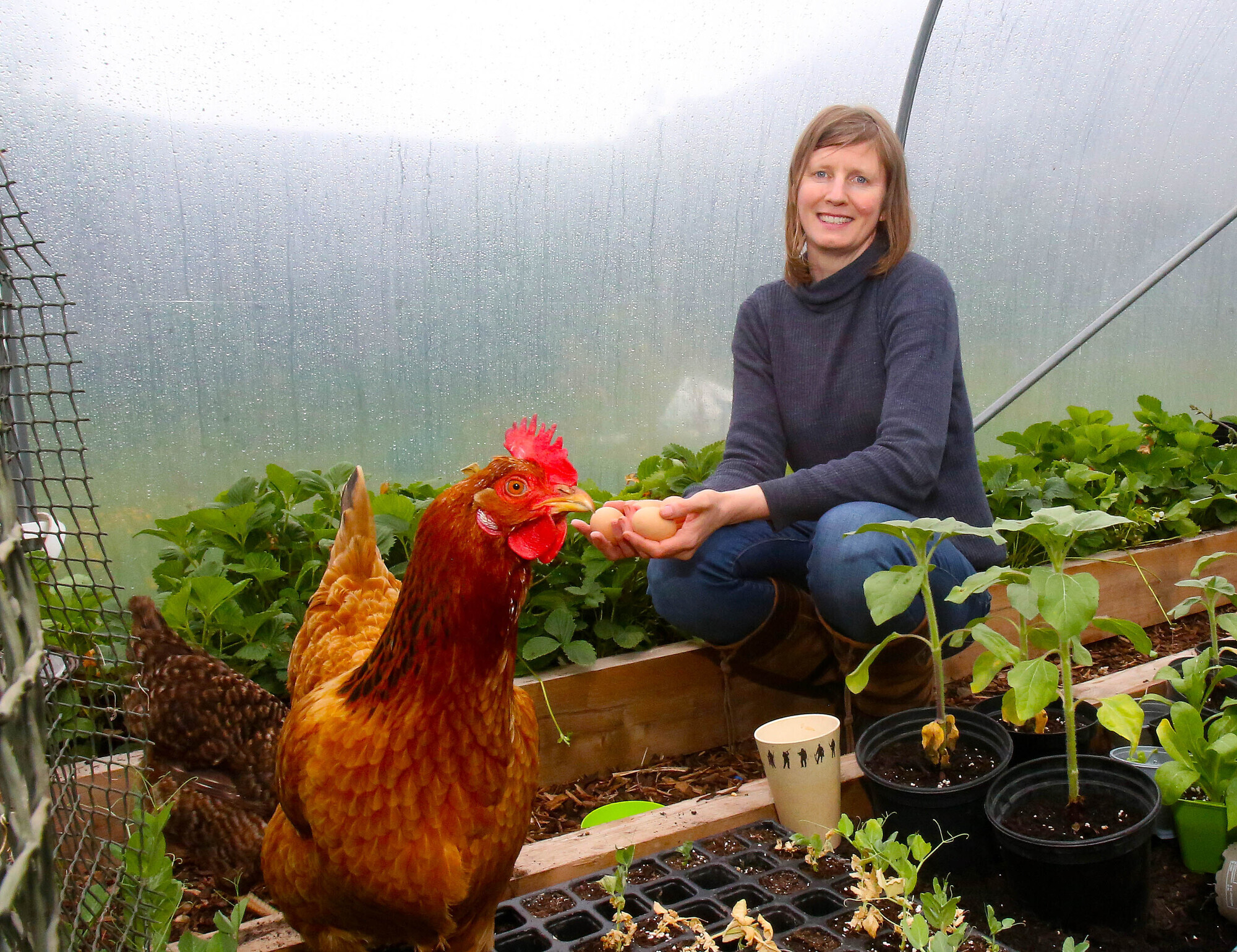
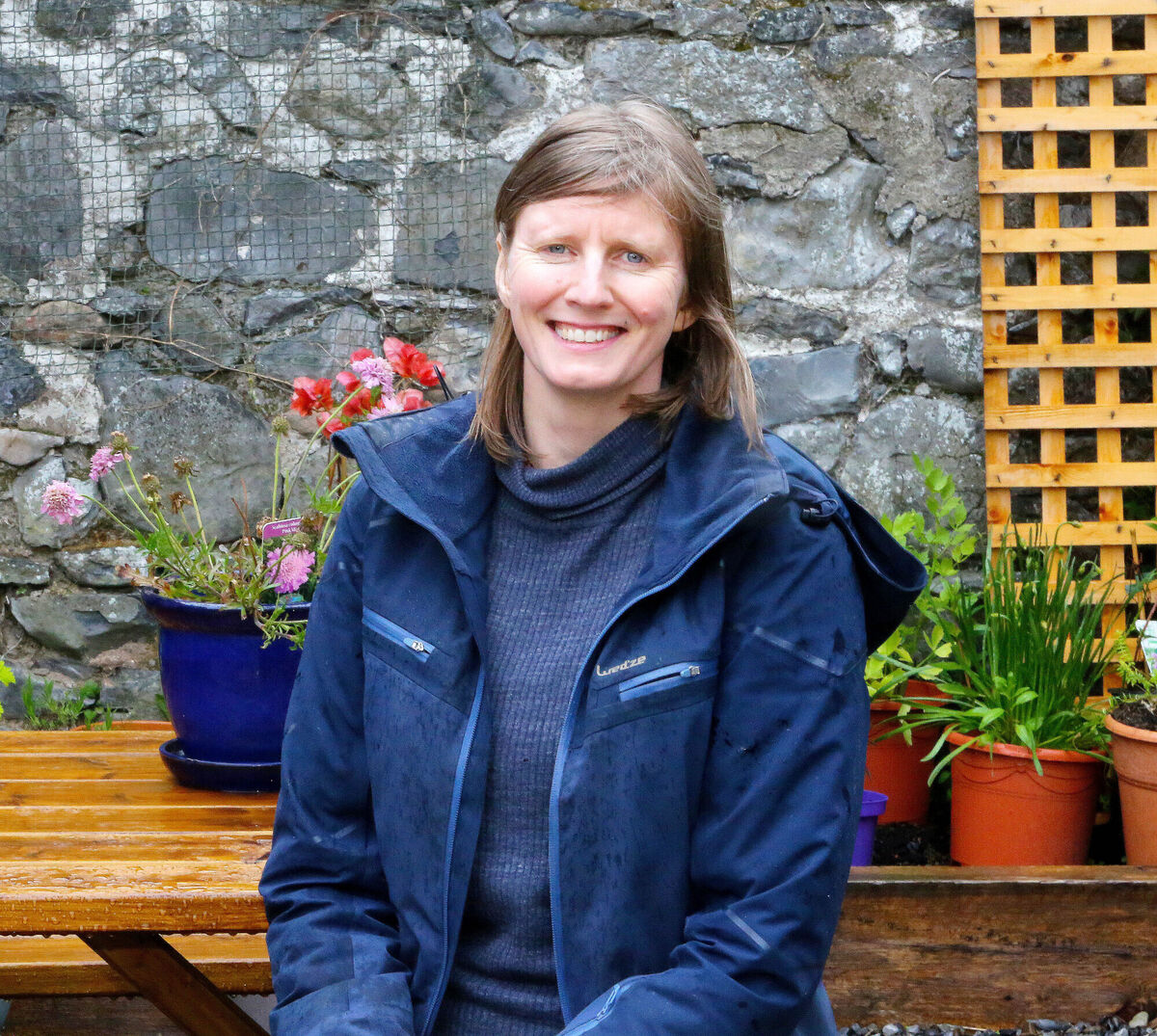
Dr Anne Marie Mahon in her polytunnel at her home, Portumna, Co Galway. Pictures: Hany Marzouk
Exploring the worlds beneath the waves opened Anne Marie Mahon’s eyes to a career and way of living.
It was something she never tired of as she started working as a marine biologist after completing her doctorate.
It sounds like she was plunging underwater to discover a whole Atlantis, just beyond our shores, so appealingly does the ecologist and environmental scientist describe it: “I dived the most diverse sites off Ireland’s coastline to record the long lists of species of our marine plants and animals.”
Then, in a spooky echo of ancient myths and stories that tell of the sea swallowing entire islands and cities, Anne Marie tells of the many changes she witnessed — that would completely revolutionise her own way of living.
“At first, it felt like a wondrous celebration — however, over the years, there were fewer species and more degraded habitats,” she says. “I had to question the reasons for this and begin a journey to identify, as far as I could, the issues.
“One option was habitat restoration: In other words, could we fix damaged or degraded habitats? Having spent a few years on habitat restoration, experiencing some success but also many challenges, I considered the question ‘are we as a people doing enough to prevent damage to our precious aquatic wildlife?’”
Until recently, Anne Marie focused her research on identifying and measuring environmental threats to and impacts on our aquatic habitats and on implementing mitigation measures to impacted habitats.
Her recent research, based at the Galway-Mayo Institute of Technology, focused on the lesser-known sources, and impacts of plastic pollution on aquatic environments such as some sports pitches and the construction industry, making recommendations for policy development.
More recently, she has turned her attention to the domestic sphere and how individuals and communities can make small changes that matter.
Anne Marie, who lives by the River Shannon and Lough Derg, has a passion for water.

She left her native Dublin at 17 to go to college in Sligo. “I joined the sub-aqua club straight away and after my first dive, which I will never forget, I was smitten with the underwater living world and I knew I was going to be a marine biologist,” she says.
“My study route took me internationally and I completed my PhD in Queen’s University, Belfast. A few years ago, I celebrated 25 years since my first dive diving with Bill Crowe, who recently retired from Sligo IT, and who inspired me with his knowledge, and nurtured my interests.”
Her voyage literally whisked her upriver, she says, to examine where pollutants were coming from “and what route they took along our river system to the sea”.
“It was at this point that I recognised the significance of the domestic contribution and how the power of choice could have a positive effect on not only the health of our rivers and seas but also on our own and family’s health,” adds Anne Marie.
The scientist, who lives with husband MacDara and son Ewan in County Galway, started researching household and personal care development.
“It sounds far removed from my work as an ecologist but in fact, there is a very real and consequential link,” she says.
“This is when I became interested in household practices. As cleaning products and personal care products are large components of our waste stream, I looked to see what was in these products and how they could be improved.
“I became involved in the development of more sustainable products.”
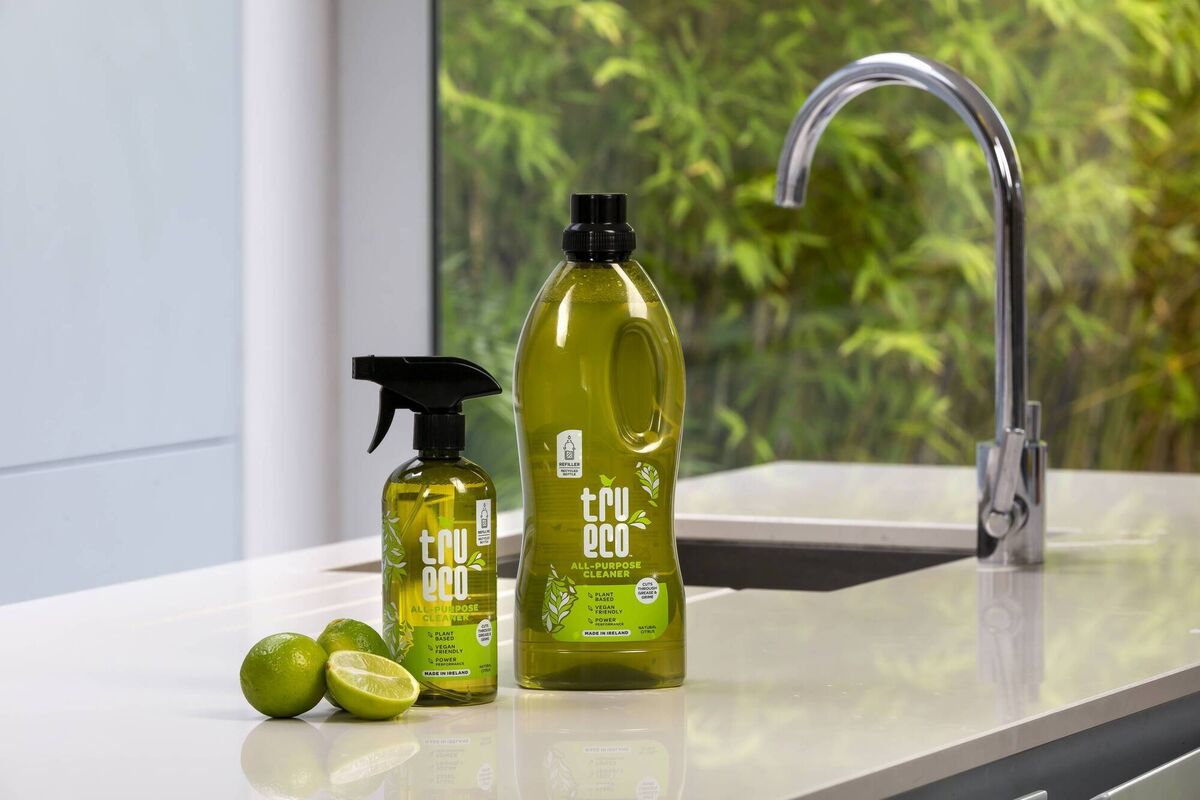
She has since started applying these principles to work with eco company VivaGreen in the development of household and personal care products. “Reducing the number of chemicals that we use, reducing the amount of plastic that we use, can go a long way to a healthier planet,” she says.
“As I am currently working on the development of household eco-products for VivaGreen, I have no shortage of products which I am usually testing out for development purposes; my house has never been cleaner!

“Some people may like to use vinegar for getting a shine or cleaning a floor or windows but personally, I don’t like the scent lingering around.
“Those who want to use lemon juice and soda crystals — great, fair play, but it is not for everyone and not everyone has the time. I like the luxury of a bit of fragrance, but this should be natural of course. I have realised the aromatherapeutic benefit of using products with natural essential oils and they can also aid cleaning and even have antibacterial/antiviral properties.
“I guess what is important to me is that the product is plant-based and has no artificial fragrance or harsh chemicals.
“The product also should be refillable so again it’s preventing plastic from entering the waste stream and therefore kinder to our natural habitats and ultimately ourselves.”
Anne Marie started her sustainability journey “gradually” she says, about five years ago, when her studies took her to the sources of the problems.

“There is a lot more I could do if I read about all the great work some people are doing. But I do what I can, given my own life circumstances as a busy working mother and I think this is a reality to most,” she says.
“On the domestic front, I try not to buy items that incur packaging. Some people may think it is fine as long as the packaging is recyclable. While it is certainly better than buying non-recyclable packaging, there is a carbon footprint owing to the energy consumption and associated transportation.
“Sometimes there are also other kinds of waste generated as a by-product during the recycling process. I also use eco cleaning and personal care products. I have eliminated cling film and tinfoil — using greaseproof paper and anything that suits such as small sandwich bags.”
GROWING your own produce is another piece of advice Anne Marie lives by: “I always wanted to have a go at being completely self-sufficient, but it is a full-time way of life and for me right now not feasible,” she says.
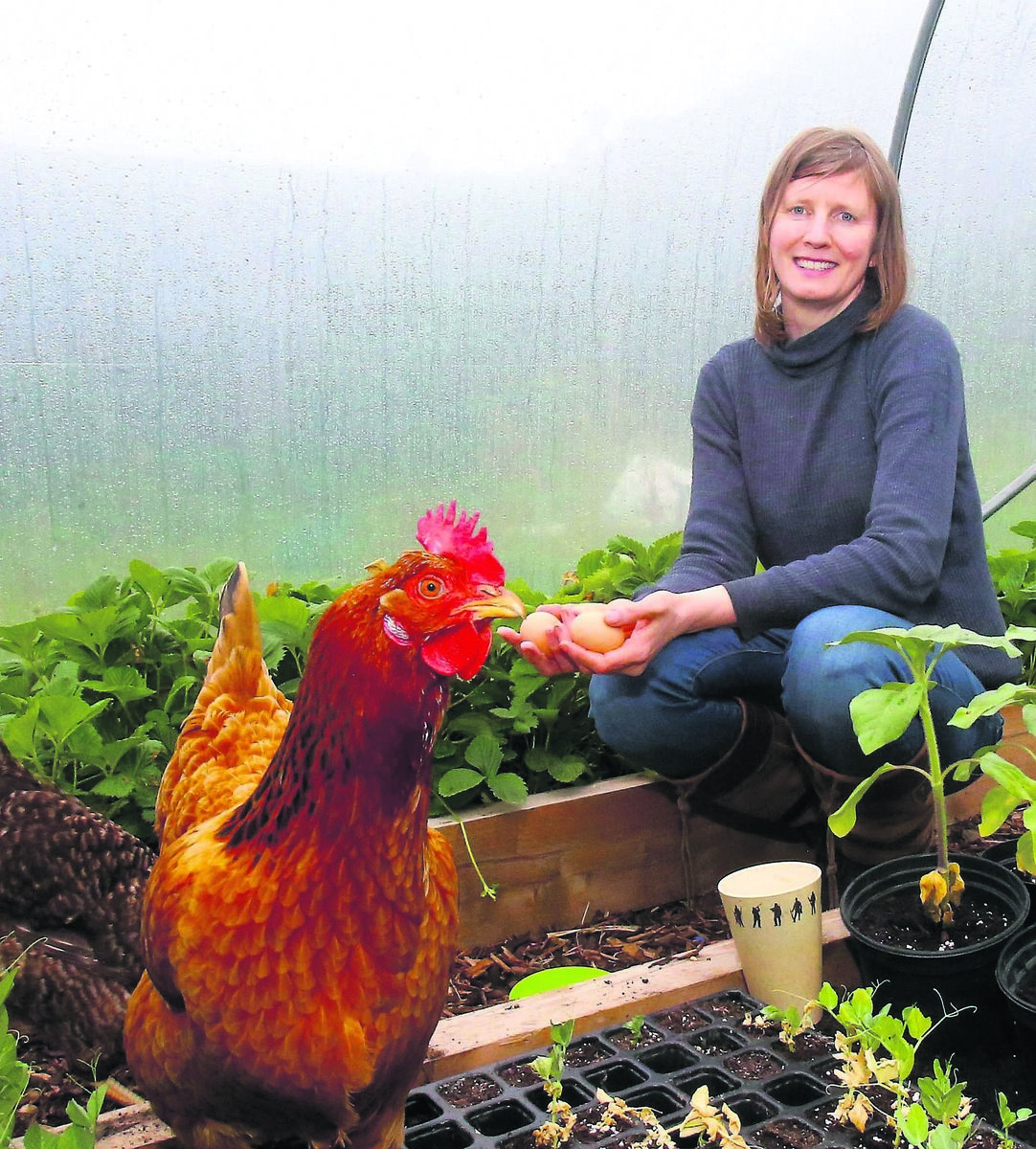
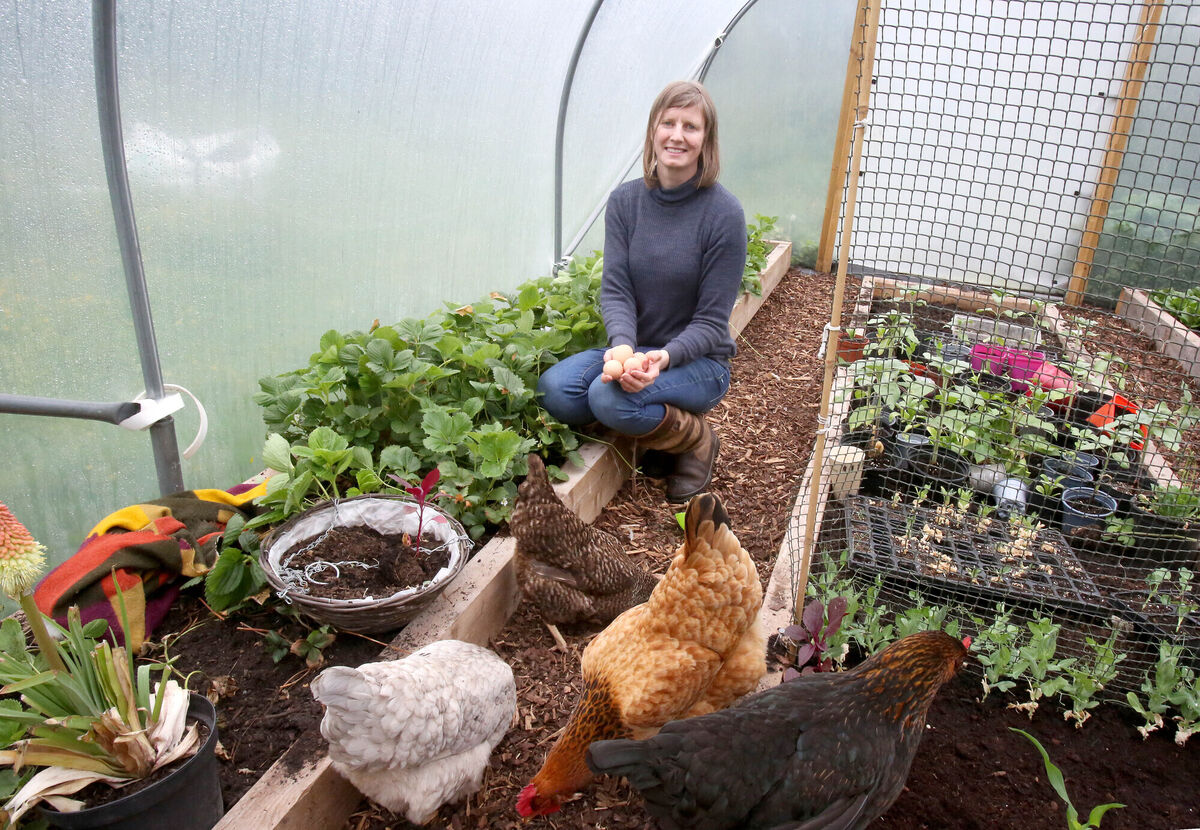
“But each year I go a little further. For example, last year we bought hens and I haven’t bought an egg since. We also built a small polytunnel in our garden to extend the growing season, thereby buying less from the shops.
“This year I created an outdoor vegetable patch with the view of growing root vegetables and, more importantly, storing my vegetables through the winter. This will be an interesting challenge.”
So what can we do on a daily basis to effect change?
“We all have our own circumstances so the choice of each individual will be different. I would suggest looking at your daily practices, the materials you use, and make one small change,” she says.

“When you are used to that change and it becomes normality, think about another one. This is a sustainable way of making change.”
If you have space and the energy, growing your own organic vegetables is “the pinnacle of sustainability”, she adds. “You save on all the mileage of transportation and packaging, and there is great satisfaction in eating the fruits of your labour,” says Anne Marie.
Cleaning practices are key too: “Some people may decide that buying eco household products is the right change for them. It is personal which decisions you make — but it is important to realise that a small change is worthwhile.”

Continue reading for €5
Unlock unlimited access and exclusive benefits
Already a subscriber? Sign in
Cancel anytime
CONNECT WITH US TODAY
Be the first to know the latest news and updates