Why wildflowers like cowslips and primroses are a happy mix
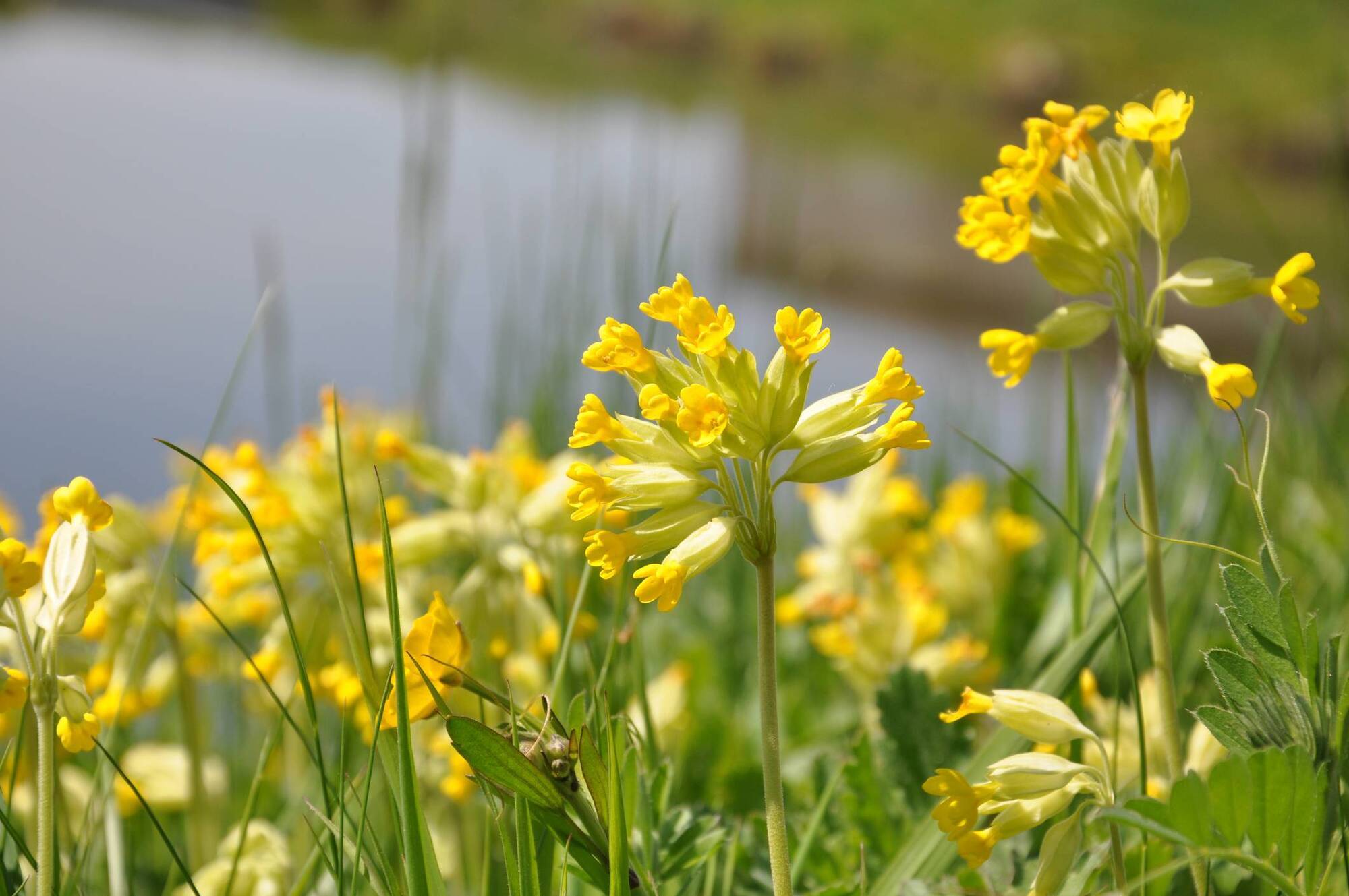
Primula veris, to give the cowslip its botanical name is different to the primrose, Primula vulgaris, the cowslip flowering on taller stems in clusters of quite a deep yellow and sometimes a rusty red colour.Â
Is there anything more beautiful than a clump of wild cowslips?
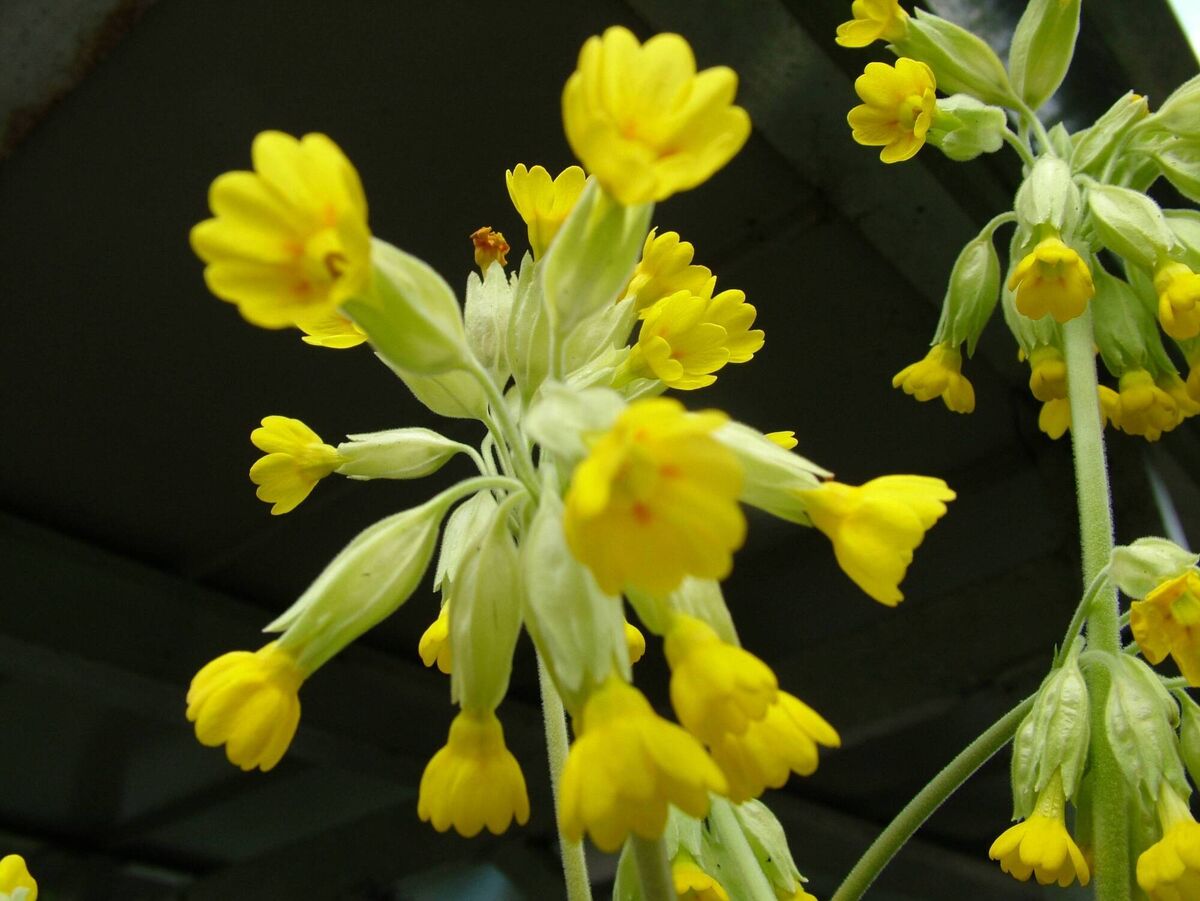
You may be lucky enough to see some within your 5km, on your “lockdown walks”, and if you do live near them, count yourself lucky, as, unfortunately, intensive agriculture and overuse of herbicides has seen the numbers of cowslips, along with primroses and many other native wildflowers, decimated over the years.
You can buy cowslips and primroses in garden centres and shops, but for me, there is nothing to compare with the wild forms — in particular, the cowslips, as one sniff of their aroma sends my senses skywards.

I don’t do drugs but I do get my highs on some of the scents in the garden and the true cowslip scent is top of that list, just sensational.
Unfortunately, all too rare an experience nowadays.
In my memory, the days were always sunny and I can still remember when I discovered cowslips, as a small child, filling the olfactory system with that magnificent, fresh, sweet and unmistakable scent on a blue-skied sunny day in the last century.
Some of the plants you will buy now may possess a gentle whiff but nothing like the real thing.
Please be aware that if such treasures are within your 5km then you are not allowed to remove them.
Firstly, they won’t transplant well or at all and secondly, it is illegal.
So, stopping to take one from the wild to bring it to your garden will result only in you becoming a fugitive from the law along with a dead cowslip, no longer available for bees and other pollinators.
Far better to leave it there for you and other passers-by to enjoy, be they on two legs, four legs, or flying on wings.
If you would like to bring some of the wild to your patch, then why not collect seeds from these wild-flowers when the flowering has finished.
Bring them home and they will germinate outdoors, quite easily at this time of the year.
Native wildflower seed mixtures are available and sowing these now will help with species conservation as well as enhancing nearby biodiversity and of course making your area more beautiful, alive and full of sensory triggers such as the scent of cowslips.
Primula veris, to give the cowslip its botanical name, is different to the primrose, Primula vulgaris, the cowslip flowering on taller stems in clusters of quite a deep yellow and sometimes a rusty red colour.
The common primrose flowers are paler, a much softer yellow on stems no higher than the rosette of leaves from which they emerge during early spring. Many F1 hybrid primroses are available as temporary bedding plants in garden centres and stores throughout the country right now and whilst these may be beautiful to look at they will be short-lived, lasting only a season and offering nothing to the pollinators.
Most of these hybrids may as well be artificial to bees as they have no nectar or pollen.
The dog-tooth violet is another one that I adore, such detail in their tiny little botanical faces of pure purple. Again, if you are lucky enough to be near some growing in the wild, then admire them and better yet, if they are making themselves at home in your garden, encourage them some more.
Snowdrops, many of which will be coming to the end of their flowering period now, can be lifted and moved or divided right now. You will have much more success moving them “in the green” like this than you will by planting bulbs in the autumn.
Many people will be preparing for summer colour now by starting off a lot of the summer bedding annuals in seed trays indoors.
These will germinate quite quickly and can be thinned out, potted up, hardened off and planted outside during May.
Staying on the same theme as our native cowslips and primroses, another great way to get masses of seasonal colour is to sow an area with a wildflower seed mixture of annual species.
Mixtures like this require far less work than summer bedding plants, as they can be sown directly outside in the areas in which you want them to flower.
On top of that, they won’t require any fresh compost or chemical plant foods. These wildflowers want the opposite requiring nutrient-poor soil to grow.
The colour they will bring to the garden is as good, if not a million times better than a bedding display and most critically, using annual wildflowers for summer colour again enhances local biodiversity, ensuring that your garden is an important piece of the rich tapestry.
Got a gardening question for Peter Dowdall? Email gardenquestions@examiner.ie

CONNECT WITH US TODAY
Be the first to know the latest news and updates