Vintage View: How to work chinoiserie into your interiors
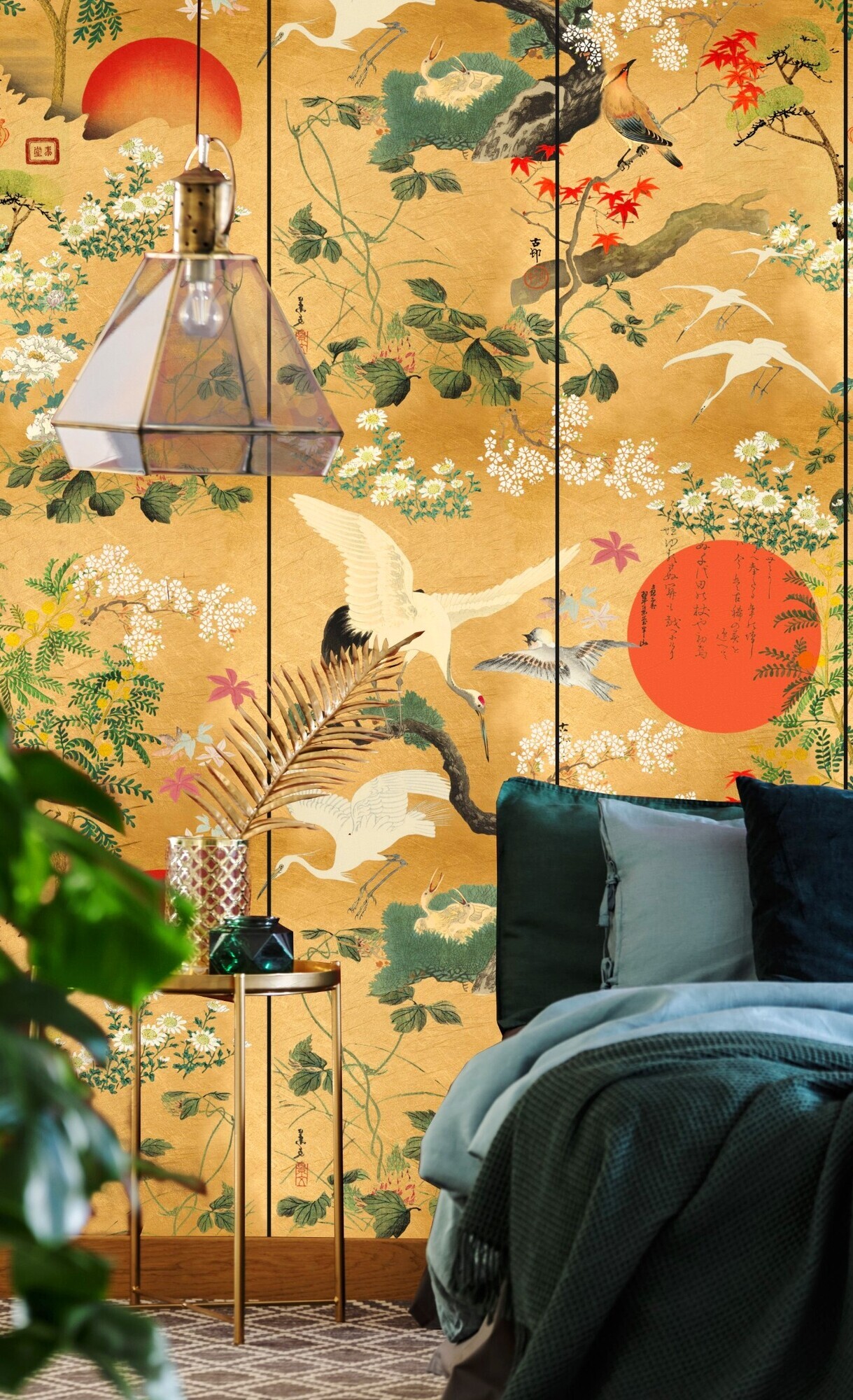
Impermanence Byobu wallpaper in a screen style,
Chinoiserie is a glorious aesthetic porridge that has been influencing European and American classic interiors for centuries. By the late 1700s century, every well-appointed home was tickled up with some form of Chinoiserie ornament (from the French Chinois/Chinese). One whole room was sometimes devoted to Asian theatrics — the Chinese room or the Chinese gallery. Chinoiserie is still a major player in fabric and wall-covering design today and forms part of the Global trend in things exotic and "other". Lanterns, pottery stools, ginger jars, prints, flatware and more — once you look for it, you’ll find the look everywhere from the high street to designer studios and high profile antique auctions.
It’s an inexact, light-hearted, early form of cultural appropriation, stirred into the expressive, scrolling sexiness of early 18th century Rococo. It’s inspired and informed by the most exquisite expressions of the arts, design and crafts of China and parts of East Asia as seen from the 15th century forward by Western eyes. Some artefacts and materials (ceramics, furniture, textiles for example) were brought back through the trade routes from far-flung empires, other things were made in the home market in the Chinese style. The hysteria for tea in the 17th century floated out tea tables, tea sets and caddies, again taken from a perceived Asian look-book.
The taste for Chinoiserie was established in France in the late 17th century at the court of Louis IVX, and trickled down to the homes of influential society figures set against conventional gilded furnishings and French toile fabrics. The most important pattern book for the look was Jean Pillement’s A New Book of Chinese Ornaments in 1755, and for many interior designers exploring the European twist on the original article — it still is. The level of craftsmanship shown by say the porcelain makers in China and Asia was (and still is) breath-taking — and the furniture, ceramics and fabric houses were enthralled.
Most people in the 1700s or even 1800s could only fantasise about life in Far East, so these places were infused with magic and mystery. The opaque, unknowable atmosphere conjured by (Buddhist) pavilions, shy maidens, fierce warriors, sacred cranes, rare tropical flora and fauna in landscapes ragged with snowy mountains illustrated on Chinese artefacts and antiquities, silks and paintings, gave Chinoiserie its fascinating character.
Thomas Chippendale incorporates Chinese colours, fretwork and lacquer in some of his more celebrated furniture, and he introduced it to other makers in his Gentleman and Cabinet-Maker's Director (1754). Pagoda forms were taken straight to whimsical four-poster beds, screens, ceilings and garden follies.
The thing to remember is that Chinoiserie is a flight of the imagination. It’s very theatrical — it’s supposed to be. In terms of proper motifs and historical representation, it’s often wildly off-target, culturally dumbed down, and at times a bit ridiculous. Mashing up Indian and Chinese elements for example — not seen as problematic by the Victorians.
Buyers were looking for gorgeous, idealised imagery and rich materials. Lacquer-work in the principle colours of black and red for furniture with a touch of gold, and blue and white porcelain taken from the 13th century Yuan era - provided escapist, fanciful decor that also indicated a well-travelled (or at least educated) taste.
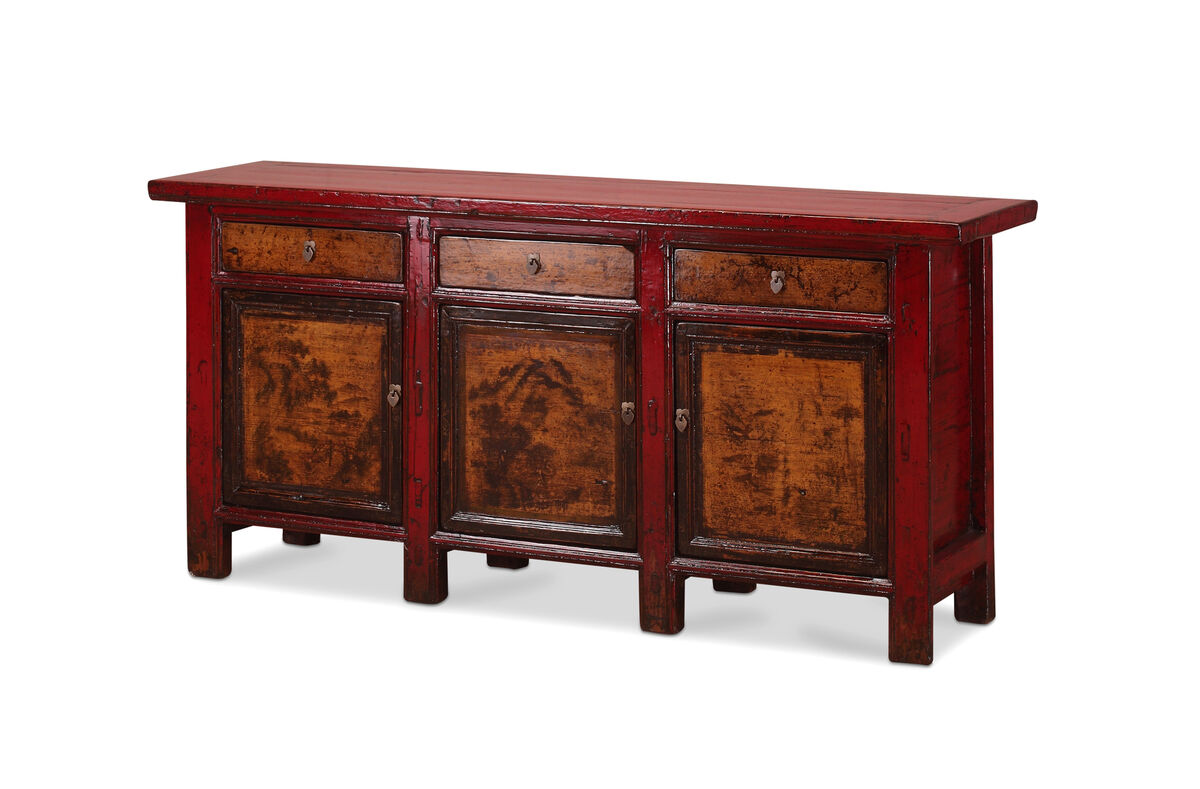
The taste for Chinoiserie was at its height at the middle of the 18th century and has never really gone away in sumptuous wealthy room-scapes and ‘great-house’ decorating. Much of what we see in the West from this period, Foo dogs, dragons and all — is composed of "export pieces" (only recently collected with an enthusiasm by Chinese and East Asian collectors). Chinese makers in Europe also turned out furniture and ceramics to meet the frenzy for this exuberant style.
To include the look at home, consider adding a few well-chosen elements, and take advice before spending serious money. Fakes and reproductions in authentic furniture, artwork and smalls are sometimes so incredibly well made that experts have to squint to see the difference.
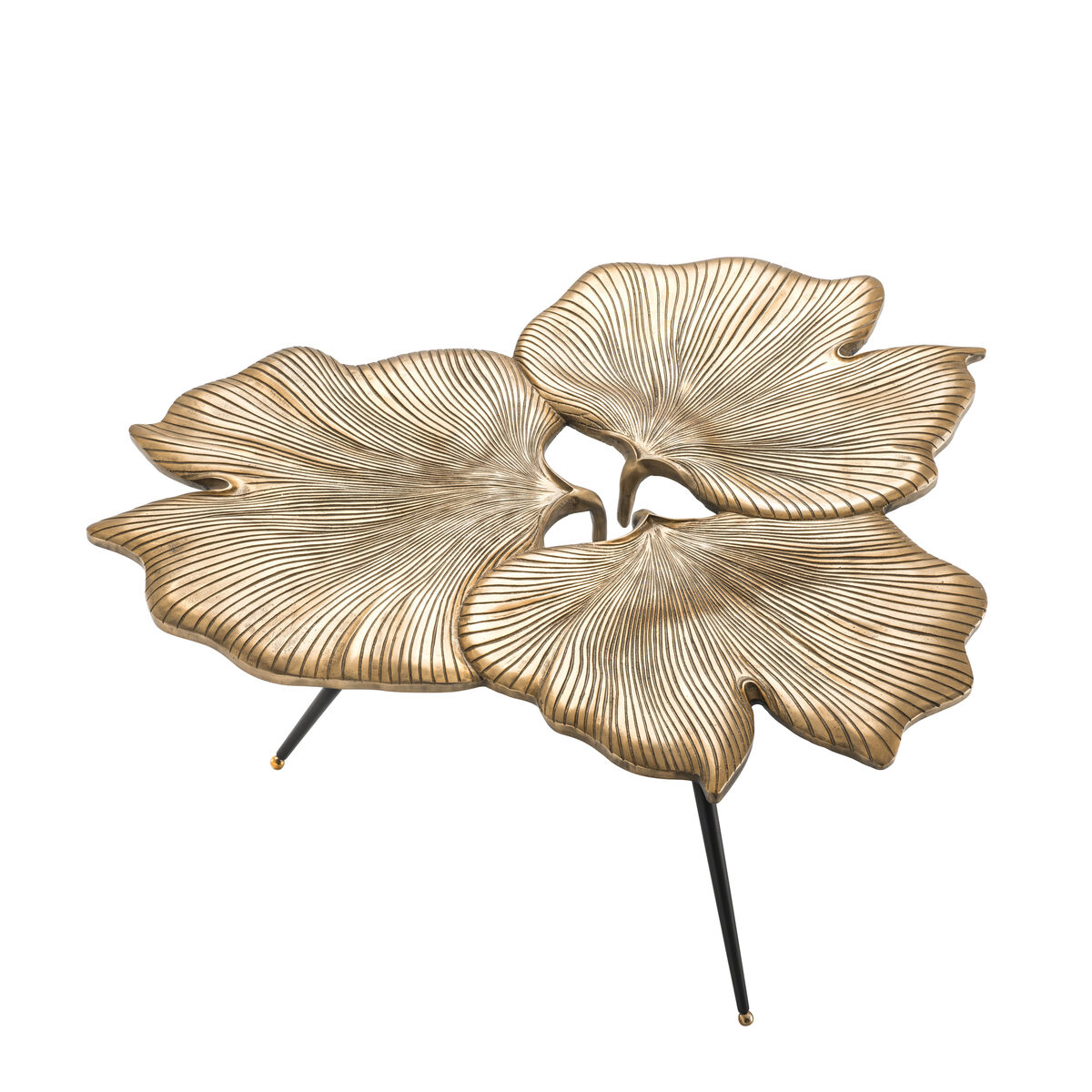
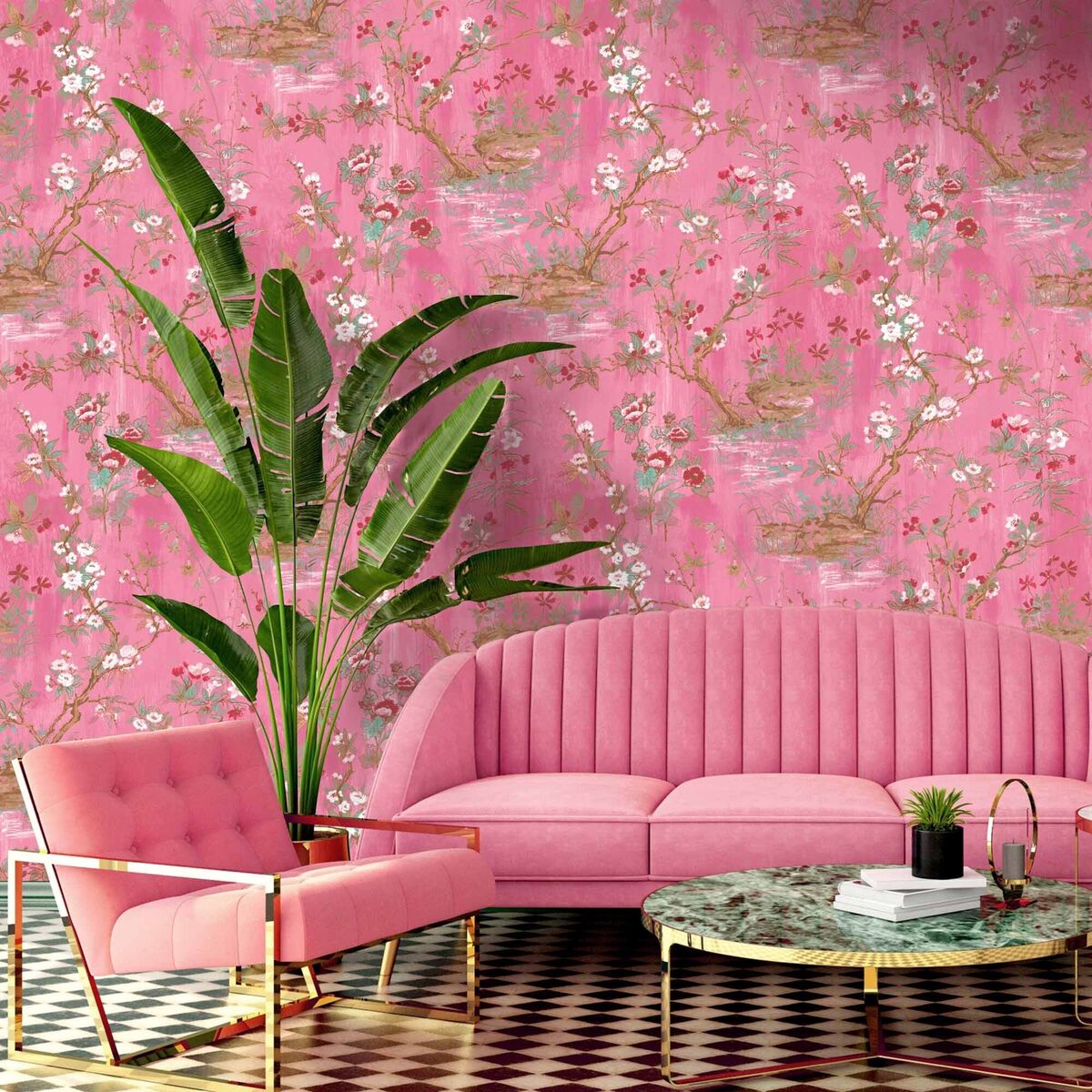
Wallpapers and textiles offer a simple entry point, and every large fabric house includes Chinoiserie in their major collections. In inspirational papers take a look at Edo by Coordoone — peacocks, fantasy birds and roses on a richly distressed gold ground. €611 for 4m, wallpaperdirect.com. Wallsauce do a wide variety of Chinoiserie murals from €46 per sqare metre, many distinctly contemporary in their colourway, wallsauce.com.
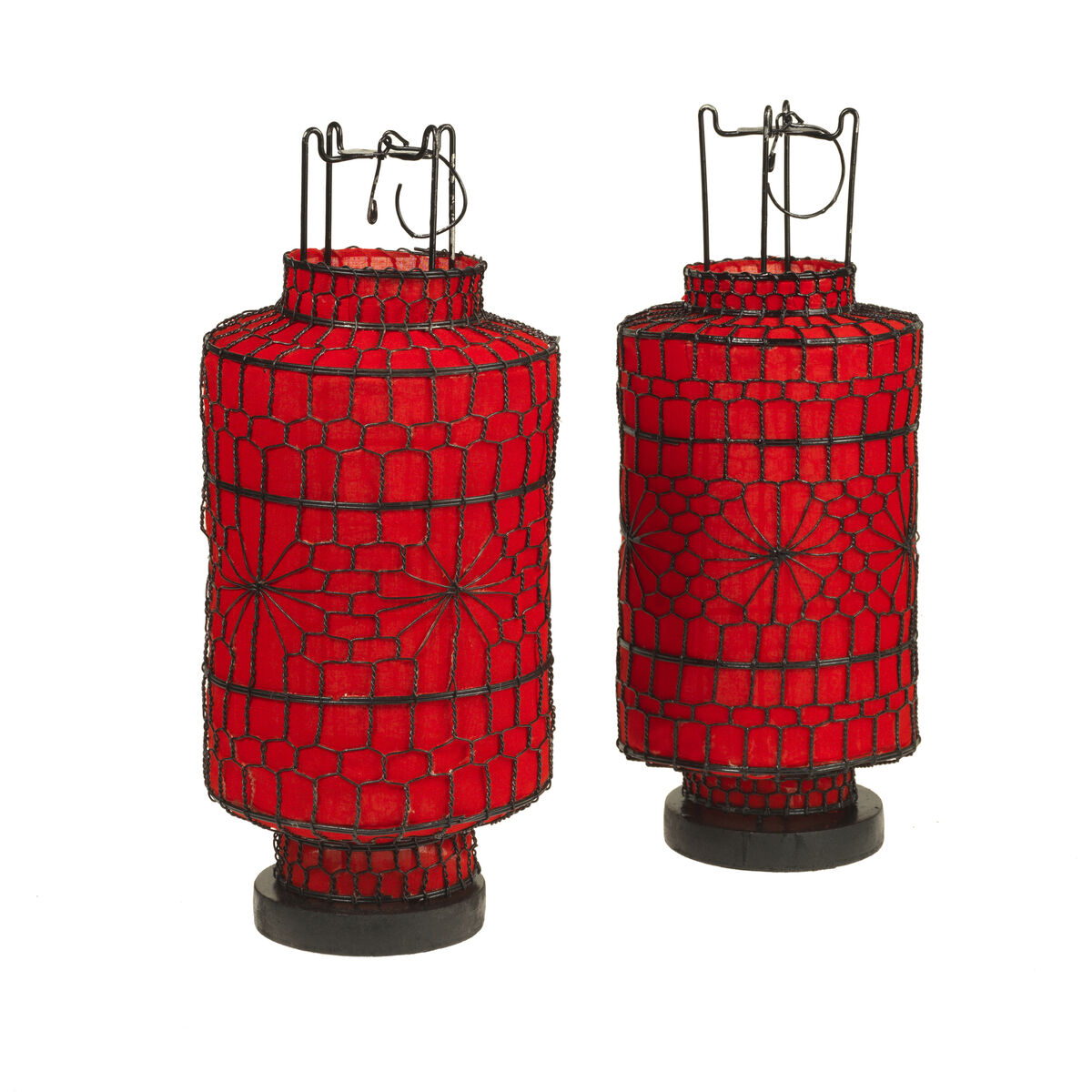
There are plenty of primers online to create a stencilled Chinoiserie panel of cascading blooms — magnolia or cherry blossom for example. Look out for lovely old, vintage or even new examples of blue and white porcelain — excellent for decorative vignettes on the top of a side table or flanking a mantle. Layer the look into other high Victorian style if you like period interiors — don’t be too slavish.
Lacquer, Chinese screens come up regularly at auction — I prefer mine a little dilapidated once the woodworm has been murdered. Otherwise, check out the high-street for inexpensive, lovely Asian style flatware and cheap Blanc-de-Chine style white figures. Without serious money — don’t take yourself or this wonderful, rich style too seriously.


CONNECT WITH US TODAY



Be the first to know the latest news and updates