Nature can save planet earth
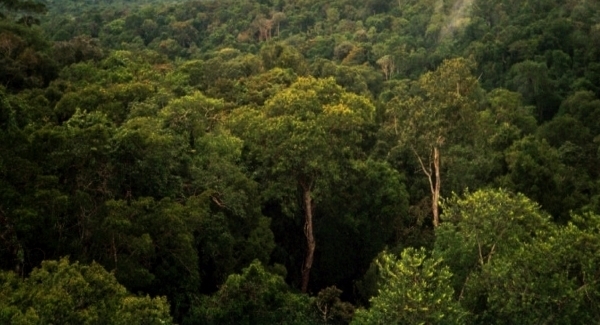
Everyone wants to save the planet from global warming, and the focus has been on reducing fossil fuels for energy creation. This trend is likely to continue, but it’s not the only way to combat climate change.
Actions to protect wildlife, to improve water quality in rivers and lakes, or to grow more native, broadleaf trees, so as to increase forestry cover, could also have an impact.
The Irish Wildlife Trust (IWT) has made a submission to the Committee on Climate Action, calling for recognition of the important role that better protection of nature can play in mitigating climate impacts and cutting greenhouse gas emissions.
Ireland, and the world at large, are also experiencing a nature extinction crisis: Both crises can be dealt with at the same time. There are two important ways in which better protection for nature can help us in our climate challenge, according to the IWT. Firstly, healthy rivers, soil, forests, and seas lessen the impacts of extreme weather.
We have 600 specially protected (Natura) sites under EU law, covering 13% of the land. However, the regulations have been poorly implemented, with few management plans for protected areas and most habitats and species in poor condition.
There’s is an urgent need to invest in an independent nature authority, as well as in other conservation initiatives, the IWT’s Pádraic Fogarty says. And nature can achieve reductions in greenhouse gas emissions.
A 2017 Nature Conservancy study found that nature-based solutions — such as rewetting bogs, expanding natural forests, and better-managing farmland so that soil absorbs carbon — can provide up to 37% of the emissions reductions needed to meet global targets under the Paris Climate Agreement.
We’re unlikely to see a better carbon-capture and storage technology than that which nature provides; we just need to give it the best chance to do its job, the study points out.
UK research has found that if total forest cover was upped to 18%, and if all bogs, grasslands and agricultural lands were managed in the best way possible, they could account for one-third of the required cuts by 2050. No comparable figures are available for Ireland, but, Mr Fogarty says, a similar scale could be expected here.
In Ireland, forestry has been seen as part of the solution to emissions reductions, though it is based largely on non-native trees, which are not always helpful to nature and can lead to water pollution.
Studies have found that mixed forests are better at absorbing carbon, while native woodlands can provide multiple benefits, from wildlife habitat to water-purification and flood-alleviation.