Design/life: Declan Scullion, architect
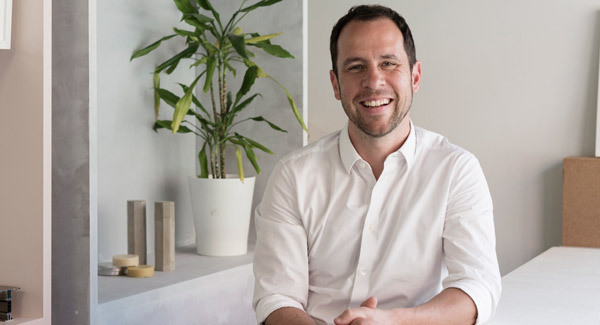
I was always interested in art and design and was encouraged by a teacher along the way to pursue architecture.
I got accepted to study architecture at Queen’s University Belfast but then transferred to the Mackintosh School of Architecture in Glasgow. Both the school and city had a tremendously affirmative effect on me.
I came to Dublin when jobs were plentiful, but after a few years, I needed a change and moved to London to work with David Chipperfield Architects, which was another formative experience.
I returned to Dublin just before the economic collapse to work for McCullough Mulvin Architects.
Last year I set up Scullion Architects, and have been enjoying every minute of it.
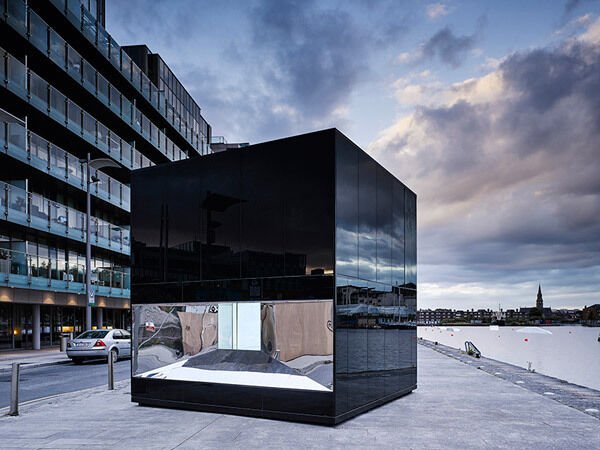
I share a studio on Francis St in Dublin’s Liberties with some other great designers — NTN, an Irish watch brand, Others, a surf/design project and Grown Clothing, an ethical clothing brand promoting ocean awareness.
The day usually starts with a chat about what we’re each working on, which can be really stimulating since we’re each in different fields of design.
I deliberately avoid emails for the first hour to mentally organise my priorities and think about where things are going at project level and practice level.
I try to make time each day to sketch or make something. There’s usually a building site visit or team meeting most afternoons.
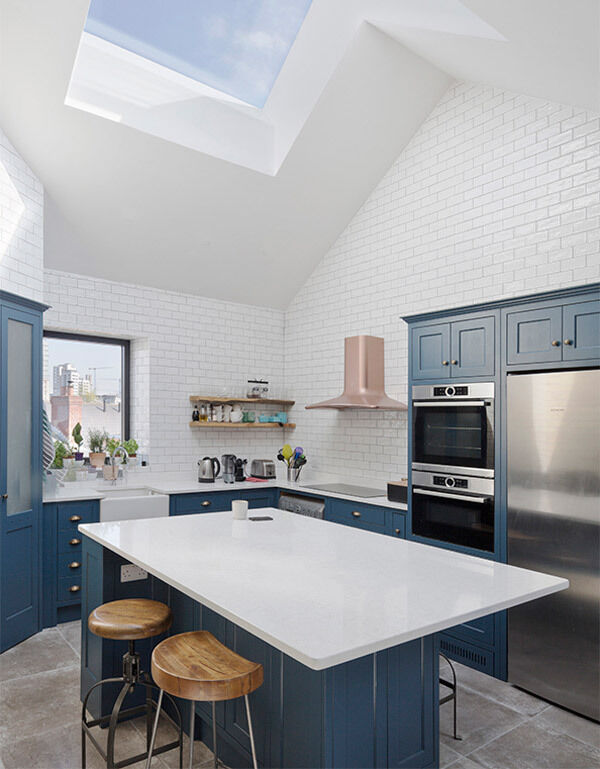
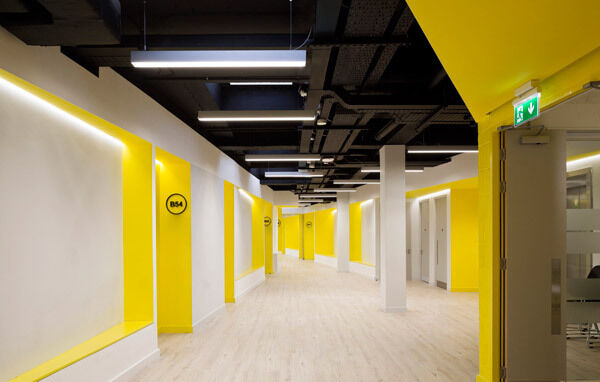
The Business School in Athlone needed a smart design response that could be executed under an extremely short programme with a tight budget — I’m pleased with what we achieved using not much more than some paint, plasterboard walls and folding partitions.
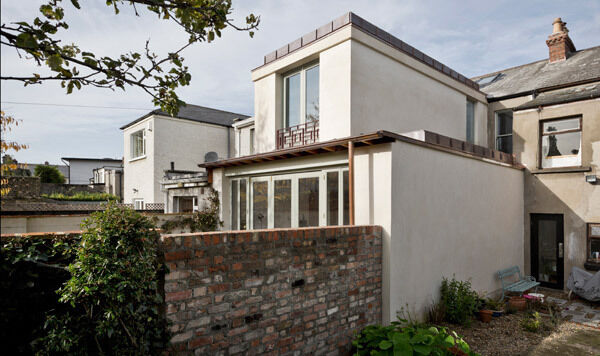
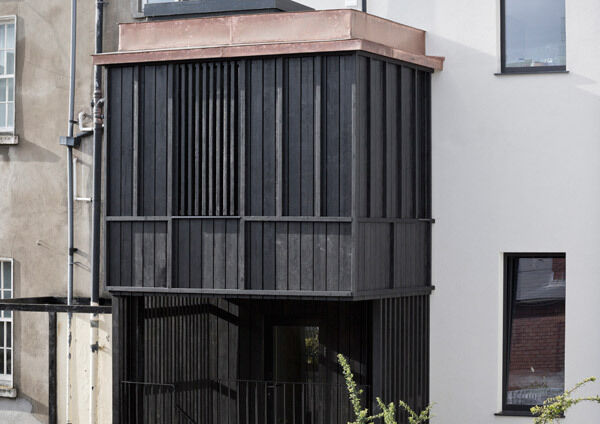
Also, the period house I extended and reworked in Grand Canal St this year was really enjoyable, because the client had great aspirations and pushed us to explore something unconventional.
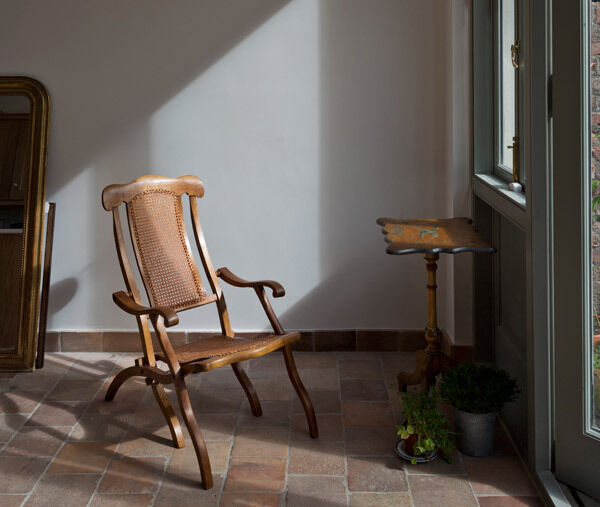
It’s much too early to say. Most architects will tell you they don’t have a style as to them it implies a certain triviality or a lack of imagination. I don’t believe it to be true since most architects can usually identify each other’s work pretty easily.
Aside from clients, my personal experience has been that the richest external source of inspiration comes from art forms — obviously you think of fine art and sculpture but it might just as easily be film, television or a book.
As soon as you start to recognise trends in architecture, you should resist the temptation to resort to them because you risk being generic and lazy. It’s always better, though harder, to drive each design from personal and specific observations.
A book called Edifices de Rome Moderne, which is a compilation of engravings of Renaissance Rome by Paul Letarouilly completed over the course of 35 years of study.
I try to make sure I find a new ‘favourite’ architect every six months. I think that’s necessary for me to prevent design fatigue. At present, it’s Robin Walker.
I’ve been fortunate to work on a very wide range and scale of projects over my career so far, but for me, theatres have been the most enjoyable. It’s the magic of a room into another world supported by effectively a small factory backstage.
You are addressing such a diverse range of conditions — from public social spaces like the cafe and foyer to the intimacy of the dressing rooms and the technical demands of the fly-tower and backstage. It’s hard to imagine a better gift of a design brief.
Be critical of the rooms and spaces you spend your days in. Recognise and remember when you are in other rooms which are better or more satisfying.
Be very honest with yourself about what makes those other rooms better, so that you acquire an experience-based and personalised vision of what you want your environment to be like.
- www.scullion.ie
- Instagram: www.instagram.com/scullionarchitects/
- Twitter: www.twitter.com/DeclanScullion
CONNECT WITH US TODAY



Be the first to know the latest news and updates