Taking the war out of Warsaw: Polish capital has lessons for post-war cities and devastated communities in Ukraine and Gaza too
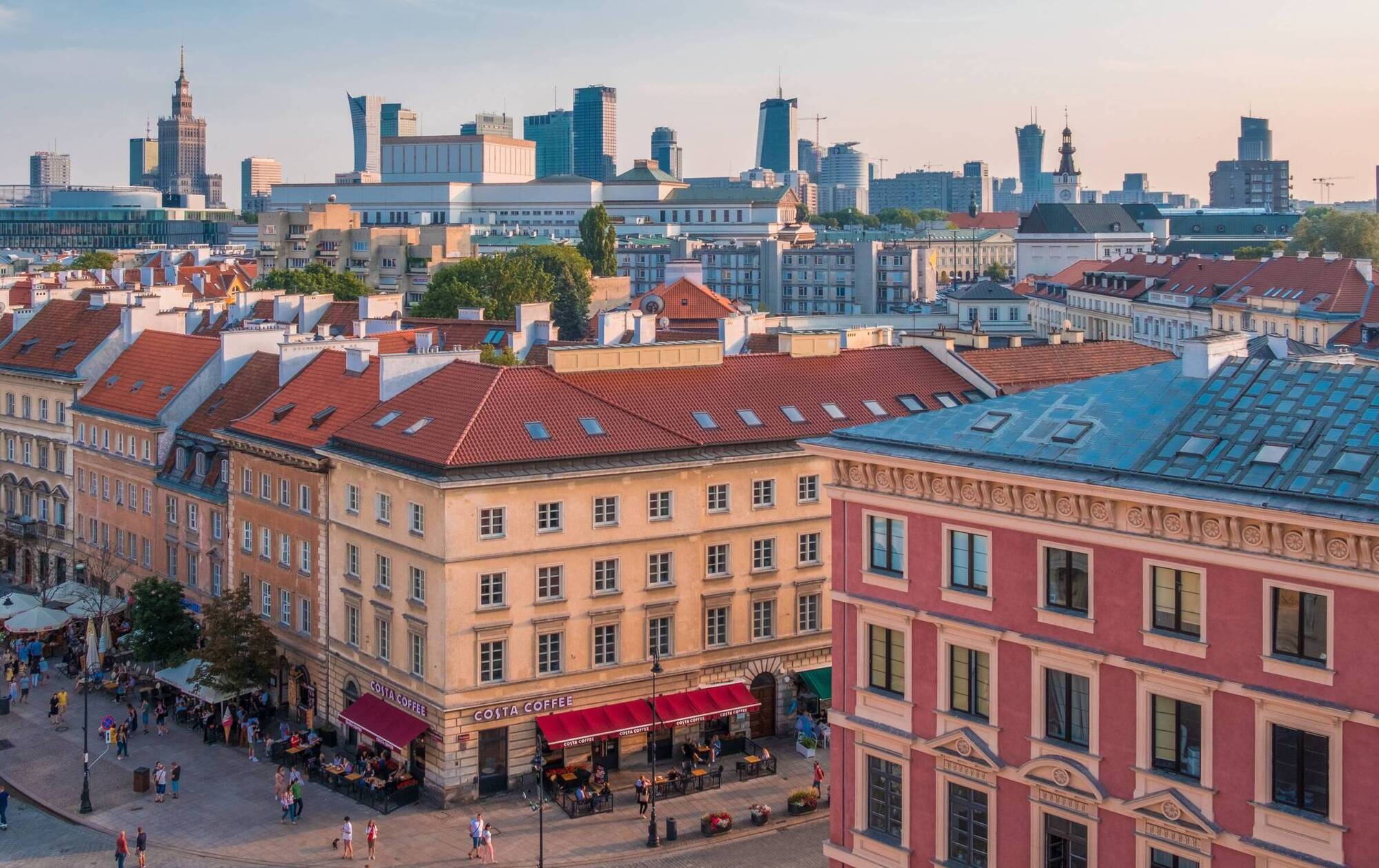
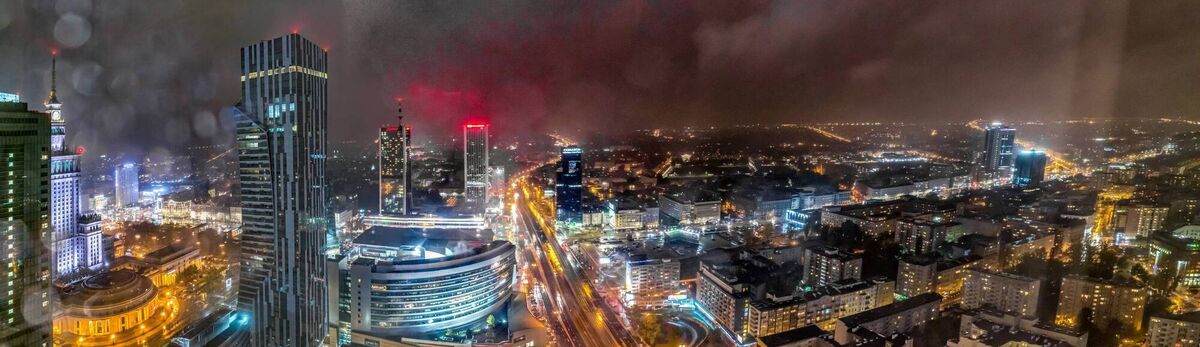
Warsaw's old(ish) Old Town with a rising new metropolis in the background, compete with skyscraper-filled skyline. Image: Polish Tourism Organisation
AS WAR and natural disasters ravage so many parts of the world, a visit to the Polish capital of Warsaw gives some hope for the future rebuilding, restoration of beauty and of living cities once more following wars.
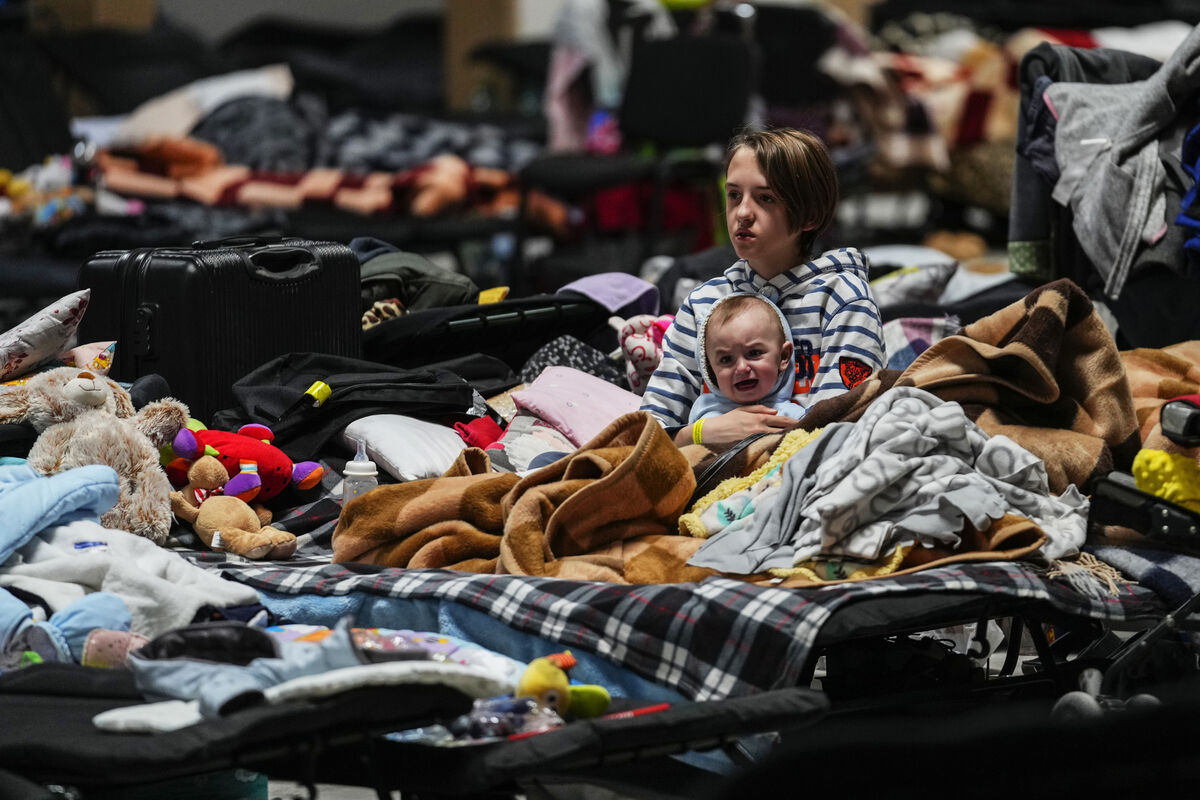
Add to those two current tragedies of death and displaced peoples recent atrocities at the likes of Sudan and Syria, where Aleppo and Homs still await renewal after systematic bombings, and the whole nature of urban reconstruction and restitution opens up vitally important debates for citizens, architects, urban planners, politicians, humanitarian bodies, and funding institutes.
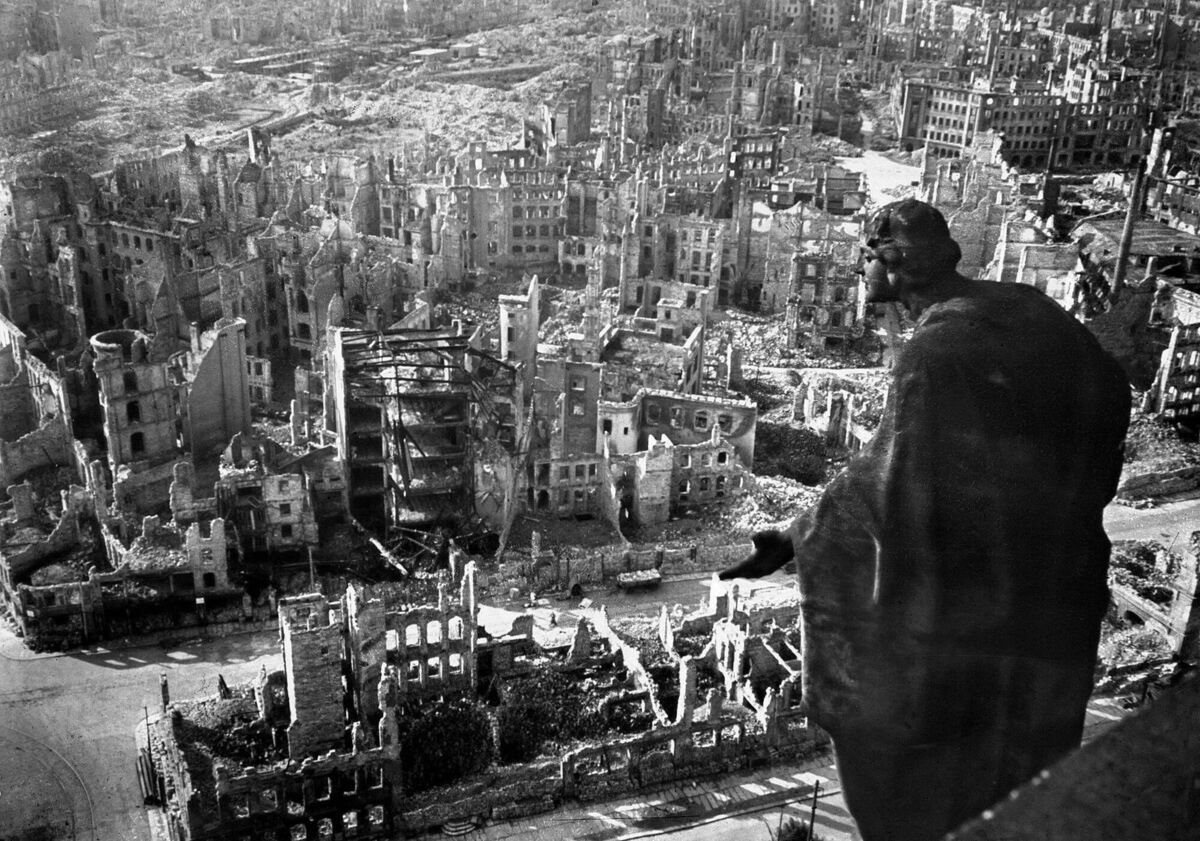
Reinstating what had been before as faithfully as possible is the route that Warsaw took after massive destruction by German army forces after the Warsaw Uprising in 1944: the retaliation saw 85% of the historic capital destroyed.
The rebuilding was addressed on a recent weekend Irish press trip to Warsaw (courtesy of the London office of the Polish National Tourism Office,) by the deeply knowledgeable, vastly experienced and entertaining local guide Kuba Wesolowski when discussion ranged over whether exact reinstatement was a form of ‘Disneyfication’. or on a deeper level, culturally appropriate and vital to a people’s self-worth.
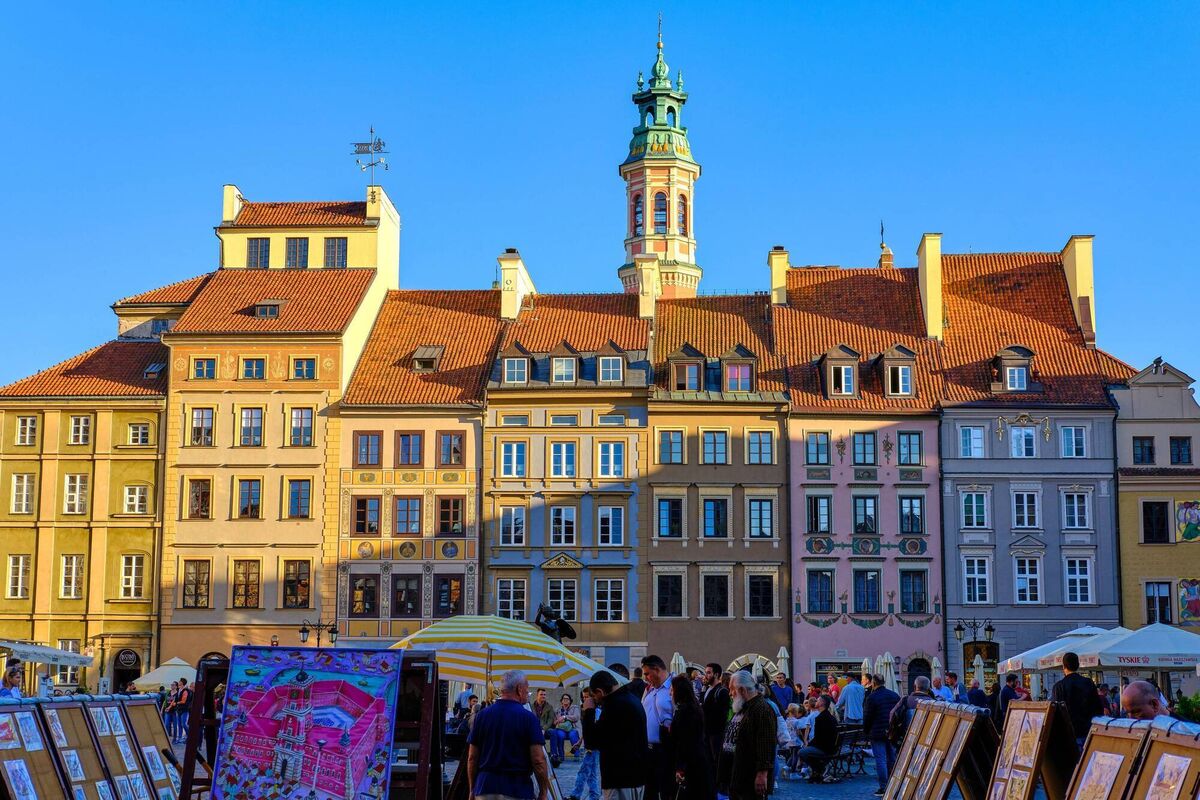
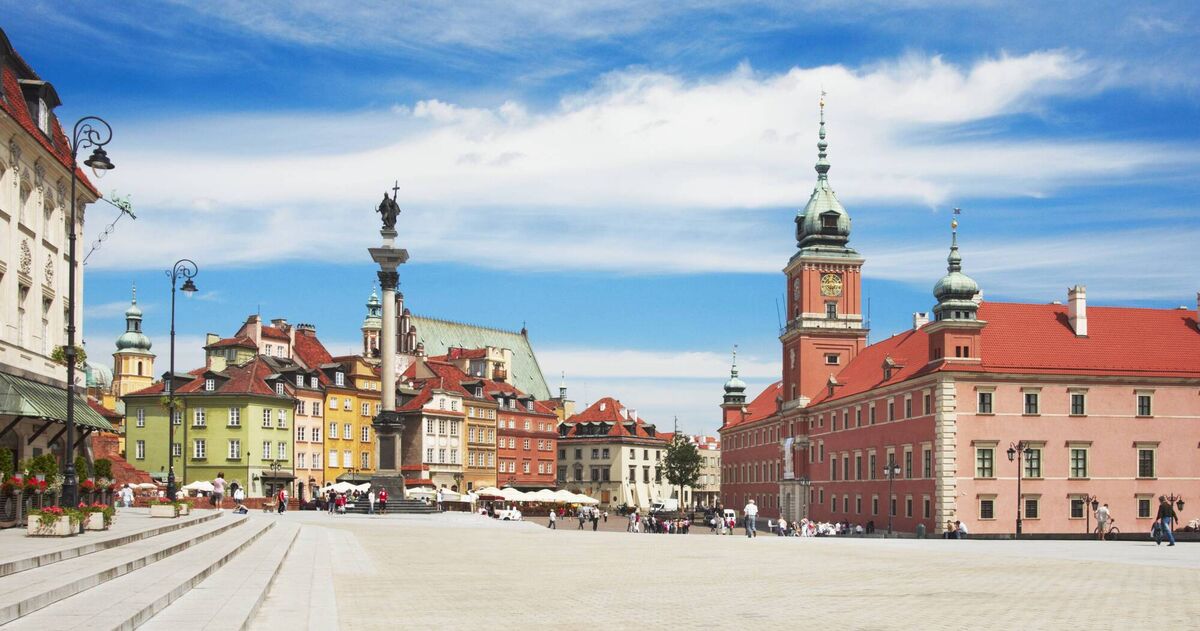
Over a weekend visit, the skilled rebuild of Warsaw as-was thankfully felt 100% far from a Disney approach, whether it was the Royal Palace, the Market Square, old burghers’ townhouses, bustling atmospheric streets (busy with tourists), and defensive walls: it was pretty much an idealised version of Warsaw, where buildings sprung back up to their historical appearances, even if uses of them have changed and moved with the centuries.
Its decades’ long title holder of iconic image, the Socialist Classical-designed Palace of Culture and Science, ‘gifted’ to the city by Joseph Stalin (think Empire State Building in stature and ambition) is now outshadowed by even higher structures, such as the 310m Verso Tower with two viewing platforms looking down on Stalin’s 237m high Palace of Science and Culture.
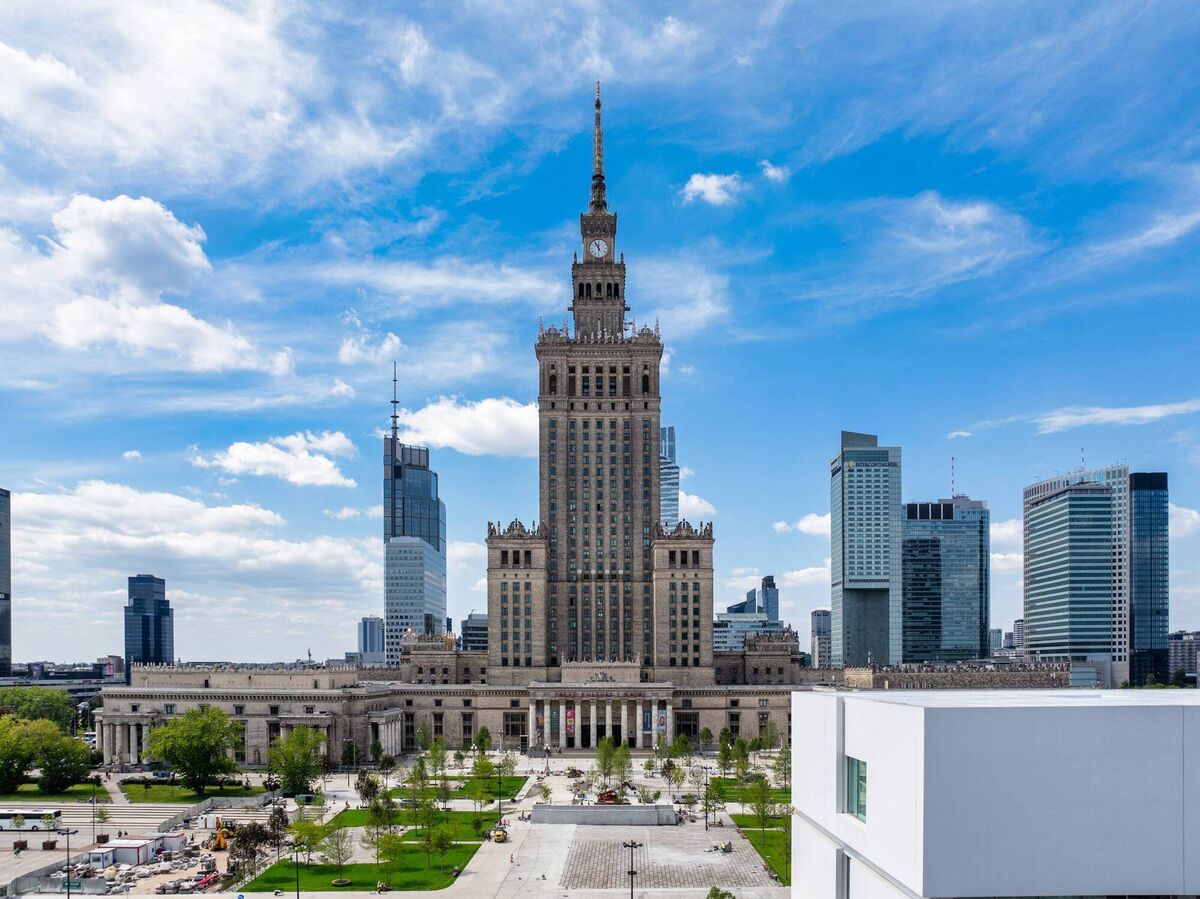
That ‘palace’ was second in height in 1955 across all of of Europe, after Moscow University.
Warsaw’s rebuild moves and fortunes from the 1940s contrast with that of, say, Dresden, where adifferent rebuild philosophy was applied after Allied bombing and a firestorm in 1945 devastated the historic centre, to a lesser extent than Phoenix-like Warsaw, where rebuilding showed a refusal to allow its cultural identity be obliterated.

CONNECT WITH US TODAY



Be the first to know the latest news and updates