Plan for 80 homes at former Victorian baths in Cork refused permission
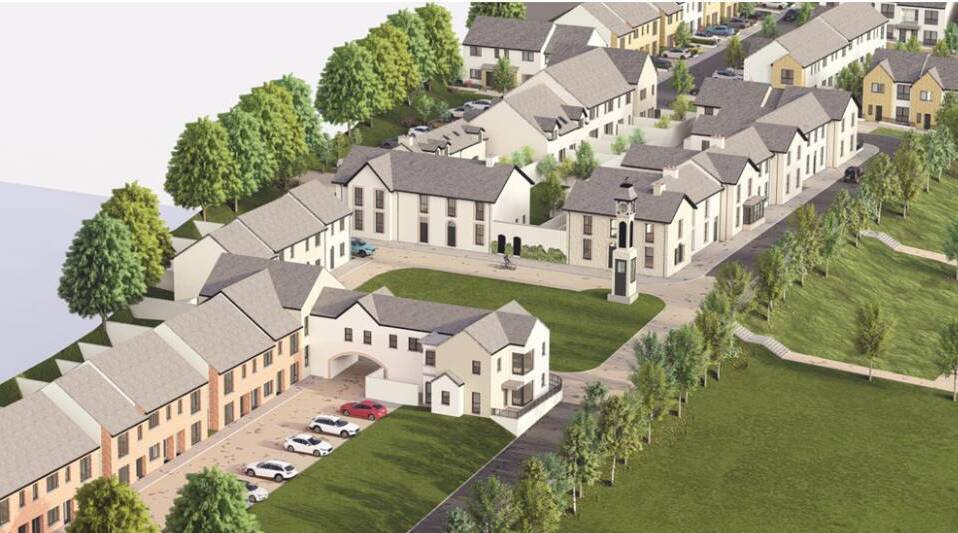
The 80-home development at St Ann's Hill, Tower, Co Cork, was refused permission by An Coimisiún Pleanála this month.
The planning commission has refused permission for 80 homes at St Ann's Hill in Co Cork, despite an inspector's report recommending that the development should proceed.
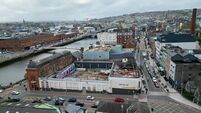
Cork developers OMD(C) Ltd. had planned to redevelop the sloping site of the former St Ann’s Hydropathic Establishment in Tower into 55 houses and 25 apartment units. The 'Hydro', as it is known, was a pioneering medical water treatment resort founded by the Irish physician Dr Richard Barter in 1843.
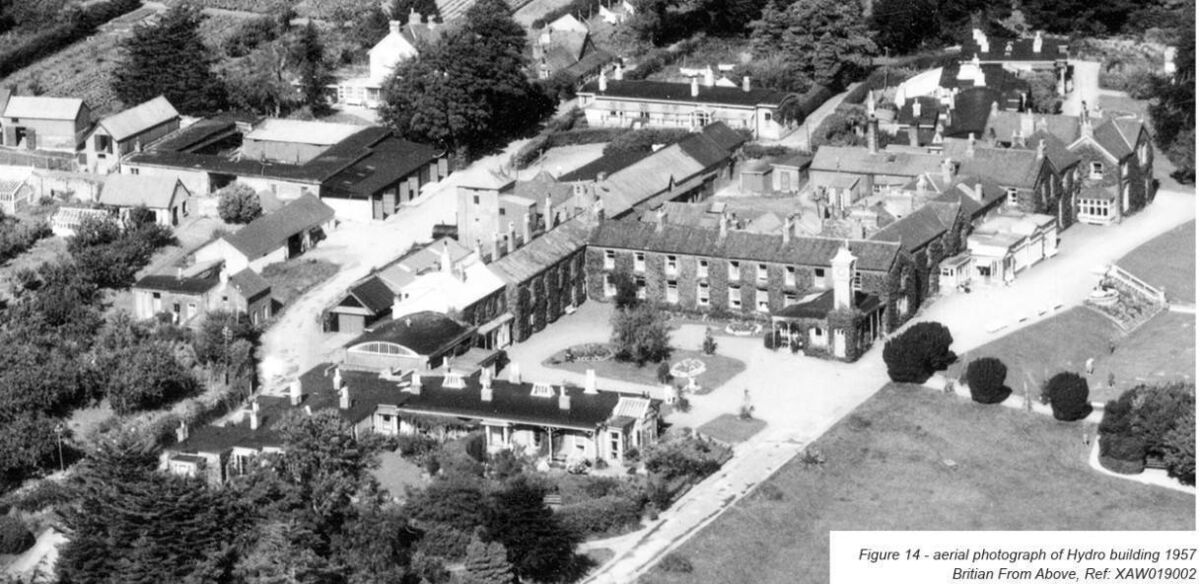
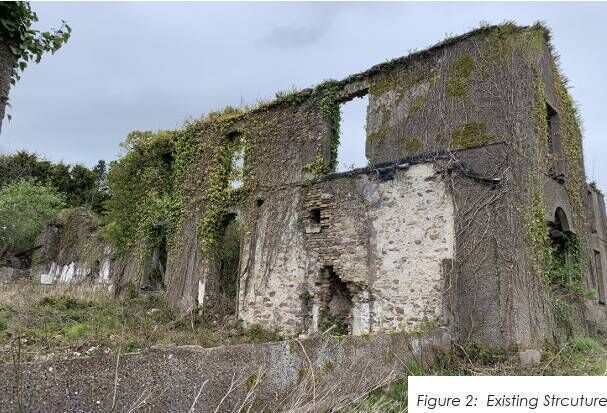
The Hydro ceased operation after 100 years, and only fragmentary remains of the former buildings on the 11-hectare site remain. Five detached houses were subsequently built in the south-eastern part of the site.
OMD(C) Ltd bought the property in 2022, taking over from Hydro Estates Limited, which owned the site from 2018 and failed to obtain permission to turn the site into a nursing home.
Although the plans for the large-scale residential development received nine objecting submissions from groups such as the Tower Community Association, Hydro Farm Allotments and Blarney Castle Estate, Cork City Council approved the application in June of this year.
Read More
These same groups appealed the grant of permission to An Coimisún Pleanála on various grounds, including its nature, scale, impact on the character of the area, environmental impacts, and traffic implications. Several people argued the site was more suitable for tourism activities and a museum should be created on the grounds of the former Hydro building.
Another pointed out the housing estate could lead to more domestic cats on site and negatively impact wildlife in the area. To this, the planning inspector Paul O'Brien responded that "the provision of additional measures to control cats would be unreasonable and unenforceable."
The central issue the commission considered was the density of the proposed housing estate, given the Cork City Development Plan stipulated a minimum of 35 houses per hectare, and a target range of between 40 and 60 homes per hectare to be built on greenfield sites in outer suburbs.
The inspector noted the development at 17.3 dwellings per hectare was "low", but nevertheless was of "good quality and appropriate in this location". He pointed out archaeological remains of a Fulacht Fia and the protected structure on site as reasons why the development was restricted.
However, the planning commission, headed by commissioner Emer Maughan, decided "the cultural and landscape constraints inherent to this site would not constitute exceptional circumstances to deviate to such a significant extent from the recommended density ranges outlined in national, regional and local planning policies".
It found there was a significant portion of the developable site area to the east and less elevated parts of the site, which meant higher-density housing was possible.
The commission wrote the development, if allowed to proceed, would "comprise an inefficient and unsustainable use of these zoned serviced lands" and issued an order refusing the grant of permission.

CONNECT WITH US TODAY



Be the first to know the latest news and updates