James Sexton: 'There is a pecking order in Ireland’s inheritance tax laws'
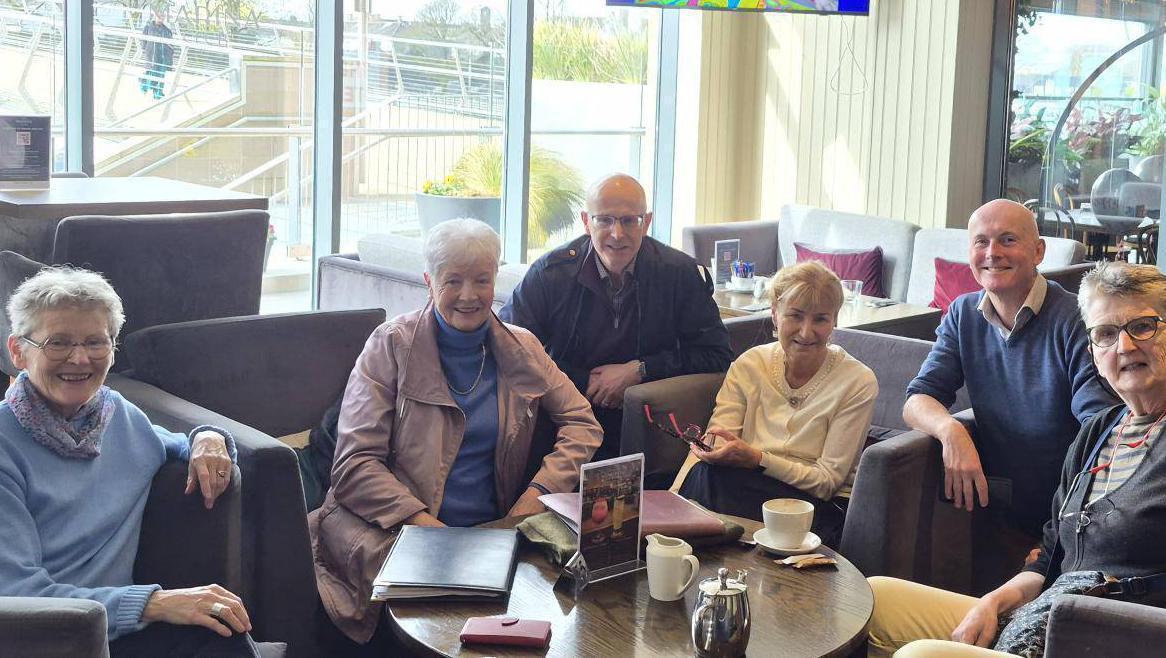
James Sexton (centre) from Model Farm Road in Cork with fellow End Discrimination in Inheritance Tax members Deirdre Quinn, Maureen Madigan, Jean Cashman, Kieran Sexton, and Brigid Timmons.
Ireland’s inheritance tax system produces vastly different outcomes based solely on family relationships. Cost can no longer justify this fundamental inequality.
Taoiseach Micheál Martin says he is “very conscious” of the issue, particularly for people without children. Tánaiste and finance minister Simon Harris acknowledges that inheritance tax can be “punitive and difficult”. Minister Jack Chambers says equalising the categories would cost hundreds of millions and is therefore not possible.
Read More
The message to childless citizens and cohabiting couples is brutal: equal treatment costs too much. In effect, we are being told: “You’re just not worth it.” Consider a citizen whose principal asset is a €600,000 home. If inherited by a son or daughter, the tax bill is €66,000. If inherited by a brother, sister, nephew, niece or a grandchild falling within Group B, it rises to €184,800. If left to a partner, lifelong friend or devoted carer, the liability is €191,400.
The home is identical. Only the beneficiary’s relationship to the deceased changes. This is manifestly unfair.
There is a pecking order in Ireland’s inheritance tax system, and childless citizens and their loved ones are firmly at the bottom. The system effectively asks: “Did you have children?” It is morally indefensible, inherently biased and has no place in a modern republic.
Successive governments have allowed this discrimination to continue for decades because it was never exposed or challenged with sufficient force.
The suggestion that childless citizens nominate a “favourite nephew or niece” is unworkable. It risks permanent family resentment and ignores those wishing to leave their estate to a partner, sibling, devoted carer, or lifelong friend. The Tánaiste s not asked to nominate a favourite child. Why should childless citizens face such an offensive and divisive choice?
The Government estimates that combining Groups A, B and C would cost €450m–€500m annually. Yet temporary fuel-excise reductions and extensions are estimated to cost approximately €1bn, while last year’s VAT reduction for food and catering services cost more than €600m.
Between 2019 and 2024, approximately €2.6bn in potential revenue was forgone through agricultural and business reliefs. Including Favourite Niece/Nephew Relief and the Dwelling House Exemption, the total rises to approximately €2.95bn. In 2024 alone, agricultural and business reliefs cost almost €668m for 2,439 claims.
Yet €450m–€500m is supposedly too much to provide equality for approximately one million childless citizens and more than 177,000 cohabiting couples.
This is not about affordability. It is about political choices, priorities and which lobby group shouts loudest. Equality has a cost — that is part of living in a republic where every citizen should be treated fairly.
The Government should examine a tax on substantial gambling and lottery winnings above a generous threshold. This could help fund reform while leaving occasional small winners unaffected. Part of the proceeds could finance gambling-addiction treatment, prevention and family support. Revenue would come from large windfalls rather than grieving families.
Edit proposes an immediate, index-linked, tax-free inheritance threshold of €460,000 or higher for every citizen. Nothing would be removed from parents or their children. This would simply remove the built-in inequality affecting the loved ones of childless citizens.
Norma Foley, Minister for Children, Disability and Equality, has declared inheritance tax “strictly” outside her Department’s remit. In doing so, she has abdicated her shared responsibility to challenge unequal treatment based on family status.
The Taoiseach, Tánaiste, Minister Chambers and Minister Foley must answer: Why are the families and loved ones of childless citizens and cohabiting couples denied fair and equal treatment under Ireland’s inheritance tax laws?
Budget 2027 must deliver reform — not sympathy, excuses, or more threshold tweaking.

CONNECT WITH US TODAY



Be the first to know the latest news and updates