Letters to the Editor: Popularity of cocaine is normalising common use
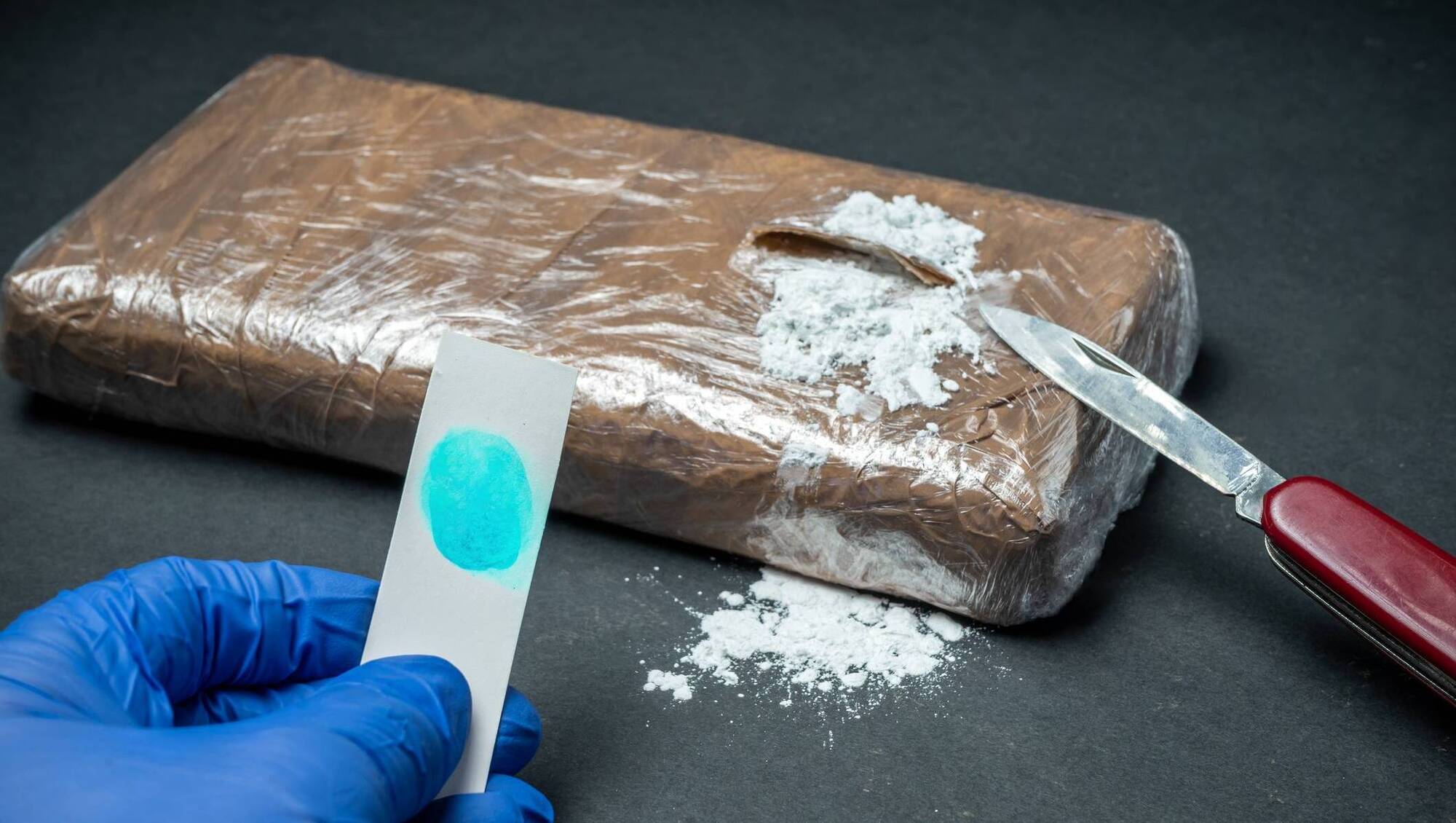
One reader writes in to say that due to the widespread popularity of this drug, there’s now a normalisation to cocaine that we wouldn’t have had with other drugs such as heroin
Cocaine use in Ireland has certainly surged in the past decade, moving from the margins into the mainstream of Irish social life, with Ireland now ranking among the biggest users of this drug in Europe. Picture: iStock


Cocaine use in Ireland has certainly surged in the past decade, moving from the margins into the mainstream of Irish social life, with Ireland now ranking among the biggest users of this drug in Europe. Picture: iStock

Ireland has an increasing prevalence of cocaine use from small towns to big cities.

There are those who would suggest that, among certain demographics, it is becoming ubiquitous as a central part to most nights out, despite this drug being addictive, dangerous, and part of a massive illegal drugs trade. Cocaine use in Ireland has certainly surged in the past decade, moving from the margins into the mainstream of Irish social life, with Ireland now ranking among the biggest users of this drug in Europe.

I am often asked: What’s driving this addiction, and what’s it going to cost us? 

In 2022, drug addiction centres saw cocaine surpass opioids for the first time as a primary presentation.

 We now have people who are using cocaine in a harmful and hazardous way, and many of these people are not presenting for treatment. Some are not quite at the addiction level, but are using cocaine in a way that’s very harmful, maybe to themselves, but they are somehow functioning through it.

Today, cocaine is most commonly used as a recreational drug. If one were to think about this country’s past problematic drug use, we would be talking about opioids and predominantly heroin. In the past, we would not have known a huge amount of people who were using heroin. However, today, people are very much aware of those who use cocaine.

Most people will be in places where someone else or groups of people are using cocaine.

Due to the widespread popularity of this drug, there’s now a normalisation to cocaine that we wouldn’t have had with other drugs such as heroin or other broader opioids.

One now finds that people today are more likely to be in a space where they are OK with other people or themselves using this drug. Some people have this flawed belief that cocaine is somehow cleaner and less dangerous than other drugs.

There are those people who use cocaine and appear fine, in that they are somehow able to function.

They attend the gym and are keeping down a solid job. Then you have those who use it in a more harmful way. Some will say that they do it once a week or once a month.

I have heard patients say that cocaine is not as addictive as some of the other opioids. There is absolutely no truth in such an assertion. Cocaine is a highly addictive and dangerous drug.

This is absolutely a drug that one can become addicted to, and it comes with a lot of health consequences and psychosocial consequences. Many cocaine users end up with damaged relationships and health problems.

Many users struggle with depression and anxiety with some users ending up with a criminal record.

John O’Brien,

Clinical psychotherapist,

Clonmel, Co Tipperary

New world order in ‘board of peace’

What is Trump’s ‘board of peace’ to be? Is it a new UN, an extended EU, or some version of Nato for the Middle East?

These are all well-established entities that generally do great work and are credible. Will countries that don’t join it recognise its authority?

Trump’s ‘board of peace’ seems like it will be run by an individual, Donald Trump, ruling over the countries that decide to join and, rather than final agreements by the group, he will have the right of veto. 

The approach of three years free then pay an expensive fee sounds like a typical gym or streaming service where you get free access for a while and then the costs appear.

The three-year introductory membership might align with his remaining three years as US president, unless he somehow becomes the permanent president — as some are already suggesting he wants to be.

Will there be a new world order of those that follow and obey Donald Trump and all of the others who see the scam for what it is? Will your country get caught up with this?

Speak out to stop your leaders losing the plot.

Dennis Fitzgerald,

Melbourne, Australia

Local debate on Health Bill defeat

On January 12, Cork City Council debated and rejected my motion welcoming the Dáil’s narrow 73-71 defeat of the Health (Regulation of Termination of Pregnancy) (Amendment) Bill 2023, which proposed abortion on request up to foetal viability (around 22–24 weeks), abolition of the three-day wait, expanded fatal foetal abnormality grounds, broader health-risk access, and decriminalisation of the provision of abortion.

My motion called for practical supports — financial aid, housing, childcare, counselling — for pregnant women in crisis, and a cultural shift affirming every baby is cherished and welcome.

It stemmed from constituents’ concerns about rising abortion numbers (nearly 50,000 since 2019, record 10,852 in 2024), after 2018 promises that it would be “safe, legal, and rare”. The debate was passionate. 

Supporters included councillors Noel O’Flynn, Paudie Dineen, and Terry Shannon. Twenty-one councillors voted against, however, and contention focused on the motion’s welcome of the Dáil outcome, highlighting a gap between voter assumptions and representatives’ positions.

I want to emphasise that my advocacy implies no moral failure on the part of women who choose abortion in crisis pregnancies. Many face immense pressures and limited options. My focus is on removing those pressures so women feel truly empowered to continue their pregnancy.

HSE data shows more than 10,000 women since 2019 did not return for a second appointment after the three-day wait (eg, 2,200 in 2024 from 12,641 consultations, 17.4% rate), suggesting the reflection period allows valuable time for alternatives — worth preserving. However, several councillors spoke in favour of abolishing the three-day reflection rule.

A further point to bear in mind is that sex-selective abortion is a reality worldwide, disproportionately targeting girls due to son preference, with estimates of 23m missing female births from 1970–2017 (2019 Proceedings of the National Academy of Sciences study) and concerns of up to 142m affected (United Nations Population Fund reports).

Most strikingly, this significant local debate received zero coverage from Cork’s main papers or local radio to my knowledge, while the Dáil vote received national attention. Why the silence? Cork voters deserve to know where their representatives stand on supports for women, the direction of our laws, and the protection of the most vulnerable.

I urge readers to ask their own councillors for their views.

Cllr Albert Deasy,

Independent councillor,

Cork City Council

More in this section

Revoiced

Newsletter

Had a busy week? Sign up for some of the best reads from the week gone by. Selected just for you.

Cookie Policy Privacy Policy Brand Safety FAQ Help Contact Us Terms and Conditions

© Examiner Echo Group Limited