The opinions expressed by Alison O’Connor in her column on Friday, November 25 should be read widely ( Alison O’Connor: We must not let fear of litigation halt future screening programmes).
I agree with each and every one of her comments on screening. There is an irreducible percentage of false negatives on screening tests which are set up to screen and not to diagnose.
Screening does more good than harm. That is the whole point.
There are also the consequences of false positives and consequential over treatment in screening.
Inadvertent harm is an issue with false positives. It is a difficult issue to write about and I salute Alison O’Connor for her accuracy.
Professor Bill Tormey
Editor in Chief, Irish Journal of Medical Science
We must continue our fight against apartheid
For decades, Israel has subjected the Palestinian people to an institutionalised regime of domination and discrimination amounting to the crime of apartheid as defined in international law.
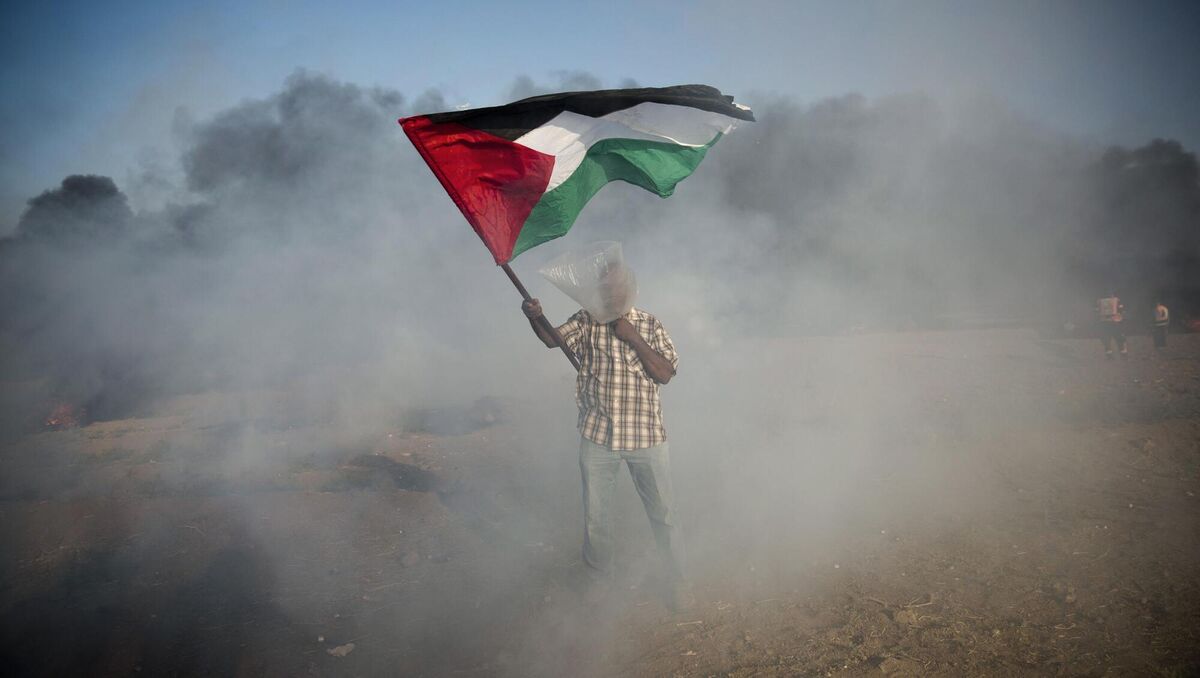
Apartheid is a crime against humanity under the Rome Statute of the International Criminal Court and the United Nations Convention Against Apartheid.
The nature of this discrimination and oppression has been outlined in detail for years by Palestinian human rights organisations and has been more recently identified and described by Israeli and international human rights organisations, as well as by UN bodies and experts.
The strategic fragmentation, segregation and dispossession of the Palestinian people are the principal methods by which Israel imposes its regime of apartheid. Some elements of this regime include different legal systems based on race, as well as the existence of a permit system with limited residency rights, denial of nationality and citizenship rights, forced removals and transfer, land seizures and home demolitions, drastic movement restrictions, limiting access to resources such as land and water, and control of economic opportunities, all based on race.
The recognised tests for the crime of apartheid are the creation of an institutionalised regime of systematic racial oppression and discrimination, which has been established with the intent to maintain the domination of one racial group over another, and which consists of inhumane acts as an integral part of the regime.

The existence of a regime of apartheid has profound legal implications for the international community. Third states have a duty not to recognise, aid or assist the apartheid regime and also have a duty to work to bring apartheid to an end.
Ireland has a proud history of challenging apartheid in South Africa. As the newly-formed Irish Anti-Apartheid Campaign for Palestine, and with the support and endorsement of Palestinian civil society, we call on the Government to respect this history by now publicly recognising that Israel is committing the crime of apartheid against the Palestinian people and by committing to bringing it to an end. We also call on the Government to support efforts at the UN to re-establish the Special Committee Against Apartheid to investigate all practices of systematic discrimination and oppression which amount to apartheid anywhere in the world.
Frances Black, Independent Senator
John Reynolds, Co-chair, Academics for Palestine
Karol Balfe, CEO, Action Aid Ireland
Joe Murray, Director, Afri (Action from Ireland) Fiona Crowley, Acting Director, Human Rights, Amnesty International Ireland
Stephen McCloskey, Director, Centre for Global Education
Caroline Murphy, CEO, Comhlámh
Diarmuid O’Brien, on behalf of Comhlámh-Justice for Palestine
Dr Gearóid Ó Cuinn, Director, Global Legal Action Network (GLAN)
Aisling Micklethwaite, Chairperson, Ireland-Palestine Solidarity Campaign
Owen Reidy, General Secretary, Irish Congress of Trade Unions
Lim Herrick, Executive Director, Irish Council for Civil Liberties
Ronit Lentin, on behalf of Jews for Palestine-Ireland
John Parkin, Chairperson, Kairos Ireland
Marie Crawley, Chairperson, Sadaka-the Ireland Palestine Alliance
Yvonne O’ Callaghan, Head of Equality and Policy, SIPTU
Zaid Al-Barghouthi, Chairperson, TCD BDS
Caoimhe de Barra, CEO, Trócaire.
Throw enough mud and it sticks
I am writing in relation to the article, Sinn Féin’s popularity drops as impact of Hutch trial hits support, Irish Examiner, November 27.
This is an amazing result for the parties in Government for 11 years with such a poor performance in housing and health.
I guess Leo Varadkar reckons that if you keep throwing enough mud that some of it will stick.
Never mind your performance record.
Pat O’Sullivan
Douglas
Cork
Anti-nuclear stance needs a rethink
Now that the Government has signed a deal to import nuclear power from France by way of the Celtic Interconnector allowing the two countries to exchange electricity through an undersea link, it affirms Ireland’s shift to nuclear energy.
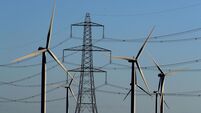
Regardless of whether or not a nuclear power plant is built here, many homes will soon be powered by nuclear energy.
The Electricity Regulation Act, banning electricity generation by nuclear power, was enacted in 1999. Installing small modular reactors (SMRs) mass-produced at relatively low cost and deployed quickly and safely, would make the nuclear option more attractive. As small nuclear reactors could shape the future of the nuclear debate, Ireland’s anti-nuclear stance shines brightly.
Gerry Coughlan
Dublin 24
Organs scandal finally exposed
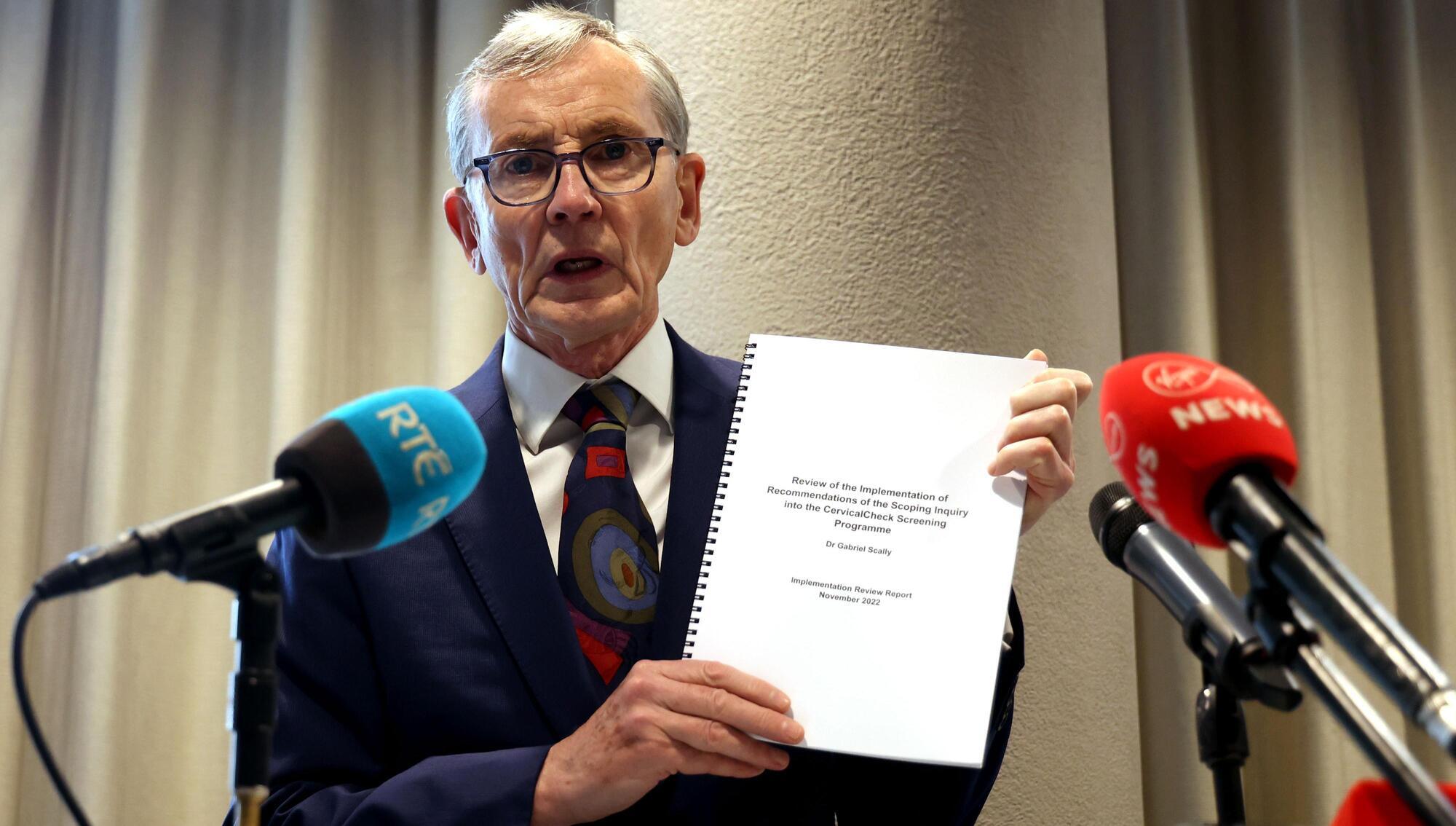
The report finally produced last Friday on the insensitive and inappropriate disposal of baby organs following autopsies is to be welcomed, albeit so very delayed.
This review will bring little comfort, however, to their bereaved parents but at least their pain, heartbreak, and justifiable anger can now be acknowledged as they struggle to come to terms with the shocking news that their babies’ organs were incinerated abroad without their consent or indeed even their knowledge.
Sinéad Boland
Kilmacanogue
Co Wicklow
Protect biodiversity in the Constitution
I applaud the recommendation from the Citizens’ Assembly to protect biodiversity in the Constitution. It’s entirely appropriate that nature itself be given maximum priority, and I’m sure that a majority of Irish people would endorse the concept.
Many of us who hadn’t given much thought to the natural world re-connected with it during the lengthy Covid lockdowns, revelling in sights and sounds that we’d almost forgotten or hadn’t noticed...the wonderful array of animal and bird life in our countryside, the sweet music of the Dawn Chorus, or wild floral treats on rustic lanes or in woods or at lakesides…bucolic scenes of the kind that might have set Wordsworth off on a poetic flight of fancy.
However, it’s not the people decision’s I worry about. It’s the politicians who will have to decide on which recommendations of the Assembly to accept and implement.
Caring about the island’s priceless biodiversity, standing up for and safeguarding it; might seem like a straightforward sentiment that no reasonable person could seek to frustrate or undermine. Unfortunately, politicians often lag lamentably far behind the electorate.
John Fitzgerald
Callan,
Co Kilkenny

Subscribe to access all of the Irish Examiner.
Try unlimited access from only €1.50 a week
Already a subscriber? Sign in