Irish Examiner view: Public sector pay talks must start soon
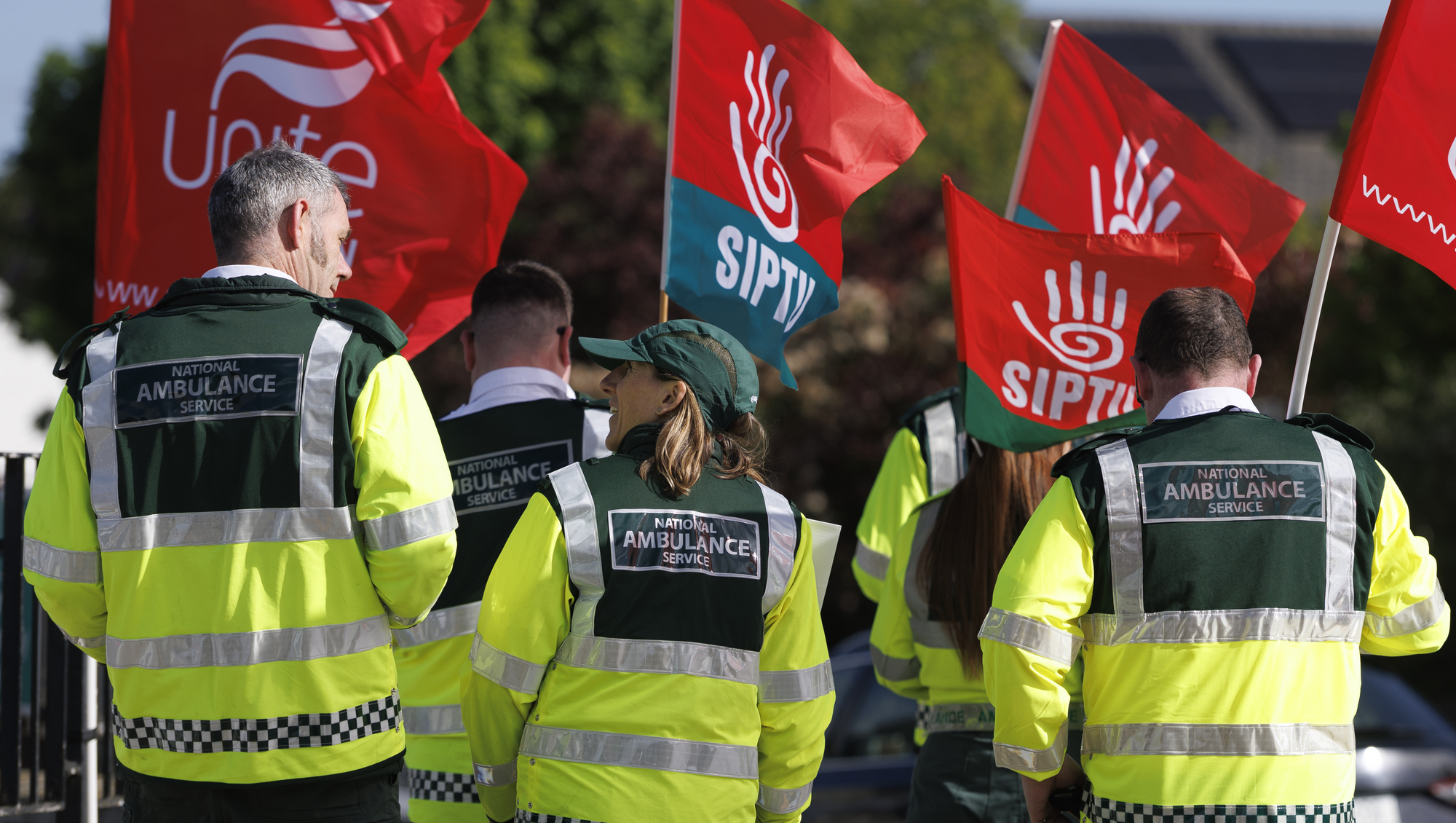
Members and supporters of Siptu and Unite unions on a picket line earlier this year. Tens of thousands of public sector workers are set to strike on Wednesday. File picture: Liam McBurney/PA
Wednesday’s one-day public sector strike will hit the families of close to a million schoolchildren, thousands of patients whose long-awaited hospital appointments are cancelled, and countless others who depend on access to public services.
Work-to-rule protests have already had an impact on the health and education sectors — thousands of schoolchildren and third-level students are off school today and will be later in the week. Tomorrow’s action will bring the dispute to a new level, with consequences extending far beyond the 300,000 or so workers involved.
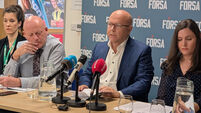
The question people are entitled to ask is how matters were allowed to reach this point? Yesterday evening, union leaders rejected the Government’s push for urgent pay talks today and confirmed that strikes will go ahead.
It is more than three months since exploratory talks on a successor to the pay agreement that expired in June broke down. It is two and a half months since unions began balloting members on industrial action. Since then, the main tangible development has been an overwhelming mandate from workers for a campaign that is now about to escalate.
There is little evidence of meaningful engagement between the two sides to bridge their differences or get serious negotiations under way.
Read More
The frustration of public sector workers at the erosion of their pay by inflation is understandable. It is equally understandable that unions want the loss of purchasing power to be central to negotiations on a new agreement.
The preliminary talks collapsed over the Government’s refusal to accept unions’ proposals for dealing with the pay gap for the second half of 2026. The Government, as employer, is unwilling to make this a precondition for negotiations, insisting the pay discussions cannot be separated from other considerations.
These are real, but surely not insurmountable, differences. Neither side can reasonably expect to secure what it wants before substantive talks even begin. Unions must be prepared to acknowledge that pay rises and productivity have to be negotiated, and the Government, in turn, must acknowledge the pressures facing workers and show willingness to address those concerns. Both need to make enough concessions to get meaningful talks started.
There will inevitably be further stumbling blocks and disagreements once talks begin — but that is not a reason to avoid starting talks. It should not take the reality of massive disruption to schools, hospitals, and other public services to focus minds. Families are already facing enough pressure without having to contend with uncertainty about childcare, cancelled appointments, and interrupted services.
Tomorrow’s strike should be a catalyst for serious engagement, prompting both sides to find common ground and begin meaningful negotiations. The hope must be that renewed efforts now will spare people the consequences of a second one-day strike next week.
The strikes on Riyadh’s international airport, which killed at least 14 people and injured hundreds at the weekend, are a grim illustration of the increasingly dangerous climate in the Middle East.

The Houthis, the armed Yemeni group responsible for the attacks, have been at war with Yemen’s internationally recognised government for more than a decade. While the group’s alliance with Iran and hostility towards the US, Israel, and Saudi Arabia predates the current conflict, the US-Israeli war on Iran appears to have created opportunities for escalation, and the spread of conflict into more countries.
Iran’s ability to deny the US a quick military victory and to disrupt world oil supplies by its hold on the Strait of Hormuz may have emboldened its allies, including the Houthis, to press on with their objectives and widen their attacks. What is becoming increasingly apparent is that a war intended to weaken Iran is instead inspiring its allies to retaliate, spreading violence and instability across an already-fragile region.
A UN Security Council resolution being debated today, however justified as a response to the attack on civilians in Riyadh, will not address the underlying dynamics and the grievances behind the conflicts.
The decision by the US and Israel last February to pursue their objectives through force has made the prospect of a negotiated peace in the region remote. President Trump said on Saturday that the US would not attack Iran prior to the midterm elections on November 3 and described current talks with Iran as “productive”. However, that was before the Houthis’ latest attacks on America’s allies, Saudi Arabia, which has already promised a “serious response”.
The Security Council must do more than condemn the latest violence — it must press for de-escalation and a renewed commitment to diplomacy. It was the abandonment of diplomacy over Iran that sparked this current escalation of conflict in the Middle East, and now threatens to condemn millions of people to a grim future of violence, insecurity and displacement. Only a return to diplomacy can prevent the current conflicts from becoming a regional catastrophe.
While there may have been some dissenting voices — notably Donald Trump’s — over the selection of this year’s recipient of the Nobel Peace Prize, there was consensus in the scientific world of the worthiness of the winners of the Nobel Prize in Physiology or Medicine.
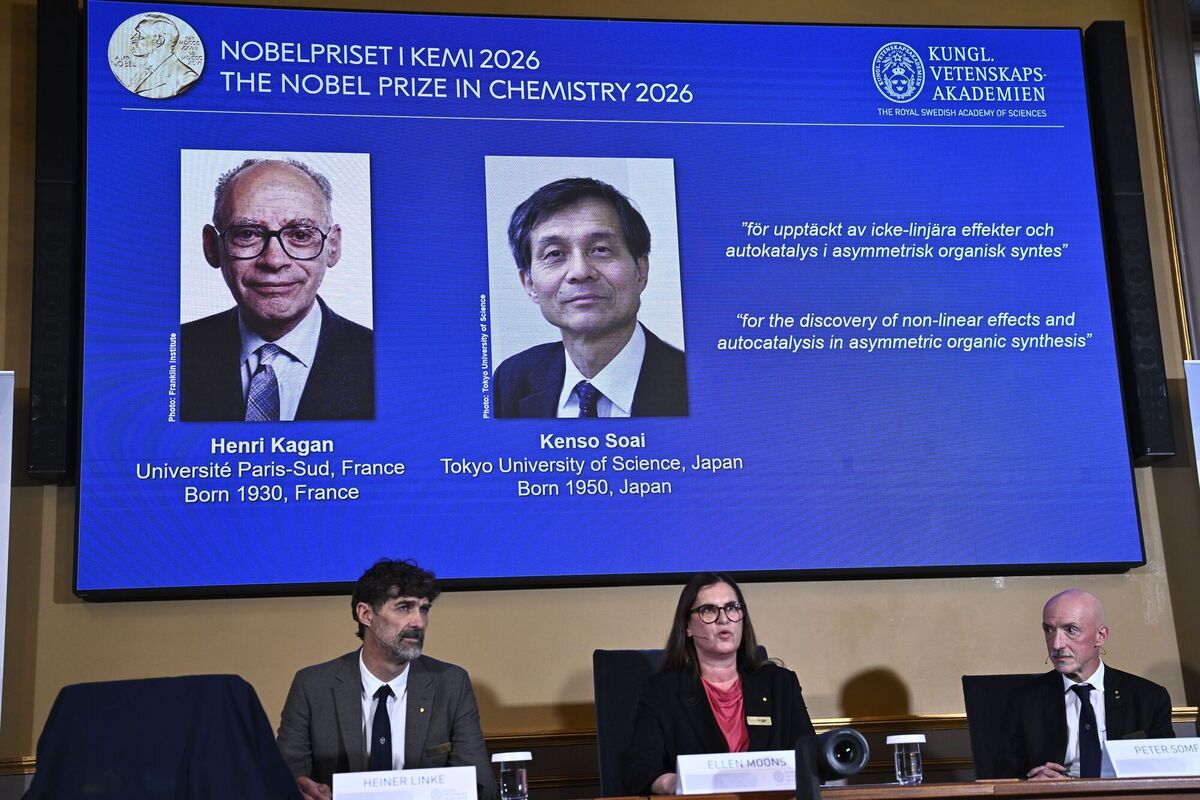
The fuss over Trump’s omission should not overshadow the significance of the win by three scientists whose work has led to seismic changes in our understanding of how the human brain works.
Their discoveries have paved the way for the possibility of improved treatments for a range of diseases and conditions including Parkinsons, sight loss, dementia, depression, and other psychiatric illnesses.
Collaboration by scientists Carl Deisseroth in America, and German scientists Peter Hegemann and Georg Nagel resulted in the development of optogenetics, a technique that allows scientists to use light to switch specific brain cells on or off, and study how the cells work and influence behaviour.
The chair of the Nobel committee said the technique provided opportunities for mapping the brain “in a way that we could once only dream of”.
The discoveries and work recognised by the Nobel judges began more than two decades ago. The benefits are likely to be enjoyed by generations to come.


CONNECT WITH US TODAY



Be the first to know the latest news and updates