Irish Examiner View: Society failing those needing care
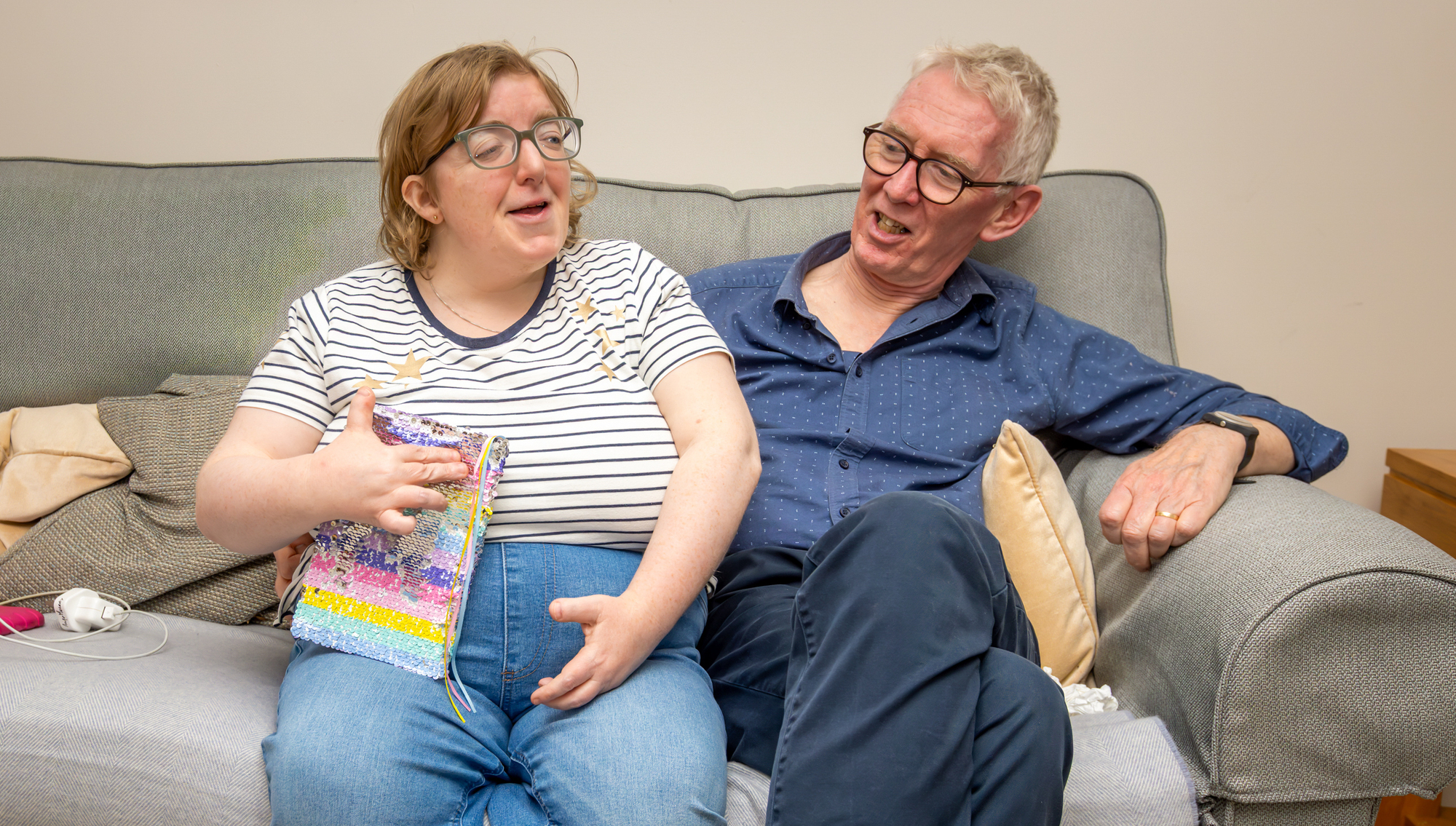
 Before We Die campaign founder Tony Murray, 71, with his 42-year-old daughter Aoife, who has an intellectual disability, at the family home in Drumcondra, Dublin. Picture: Neil Michael

Before We Die campaign founder Tony Murray, 71, with his 42-year-old daughter Aoife, who has an intellectual disability, at the family home in Drumcondra, Dublin. Picture: Neil Michael

It’s yet another one of those black holes which seem to persist across our cash-hungry health system, a system which appears to leave so many in the lurch when it comes to providing necessary care in our society.

In today’s pages, we highlight four case studies involving parents caring for children with disabilities. In so many instances, such situations are accepted and, often, taken for granted by society at large.

But what happens when those carer parents pass on? Who is going to continue looking after their children?

The simple answer is: No one. This is because there is no plan — national or otherwise — which sets out what happens to these children when their parents die.

Certainly, there are piecemeal supports offering housing and residential assistance, but these come with few if any guarantees, in particular when it comes to placements being offered in and around where they have spent their lives.

The potentially dire knock-on effects on these adult children should be obvious to anyone. But apparently not the authorities who will be responsible for the care of these citizens when their primary carers are no longer there.

A new campaign — called Before We Die — has been founded to highlight this issue.

It was founded by Tony Murray, a pensioner with an adult daughter, Aoife, who needs around-the-clock care as a result of having a rare genetic disorder, Rubenstein-Taybi syndrome. This group is — not unreasonably — calling for significant increases in the number of residential places for adults with intellectual disabilities.

There are more than 2,000 members of the Before We Die group, indicating the sorts of numbers involved — and the level of action needed to prevent potentially catastrophic outcomes for people who will already be bewildered and upset by the loss of their primary carers, and face having their distress exacerbated by being moved from long-established comfort zones.

These group members care for more than 5,300 adults with disabilities.

Many of these carers are aged 60 or over and obviously worried about what will happen in coming years.

Last week’s ‘please nobody’ budget provided funding for a measly 212 residential places next year, but what’s worse is that 112 of those places are reserved for emergencies, leaving only 100 for the entire country.

The heartbreaking stories of those people, their children, and their fears for what the future might hold are highlighted in today’s Irish Examiner to shine a light on a segment of Irish people being failed by the society which should support them.

These are stories which should be heeded, not only by those holding the purse strings, but also by those who purport to represent all parts of our communities.

Ignoring these parents and leaving these vulnerable adults facing terrible isolation is not an option a society which regards itself as caring should be willing to accept.

Hospital constraints: Something needs to change

There have been more than enough stories in these pages in the last few months about ongoing staffing issues at Cork University Hospital (CUH).


Chief executive Jennifer Kearney in August highlighted the fact that the hospital was potentially unsafe for patients amid a shortfall of more than 1,000 staff, and the Irish Nurses and Midwives Organisation (INMO) noted that 100 of these were nursing vacancies and 80 were in midwifery.

On Saturday last, we highlighted the fact that staffing constraints at the hospital had seen it lose more than half its CT scanning capacity.

This, in effect, means that some 300 people classed as being in urgent need of a scan cannot access one.

A computerised tomography (CT) scan provides doctors with invaluable detailed images of patients’ bodies, allowing easier diagnosis of disease and injury, and specific planning for medical, surgical, or radiation interventions.

Current waiting lists indicate there are 701 people awaiting CT scans, and 292 of these have been classed as urgent.

That CUH management now has to outsource CT scanning to the private sector in order to try to mitigate these waiting lists, is a source of further concern when it comes to proper patient care at CUH.

We know that the health sector is already wildly over-budget in all too many areas, but when staffing constraints are preventing the reasonable and proper treatment of sick people, it indicates there is something truly wrong about how the system is configured at this point in time.


x

Early release: Prisons in crisis

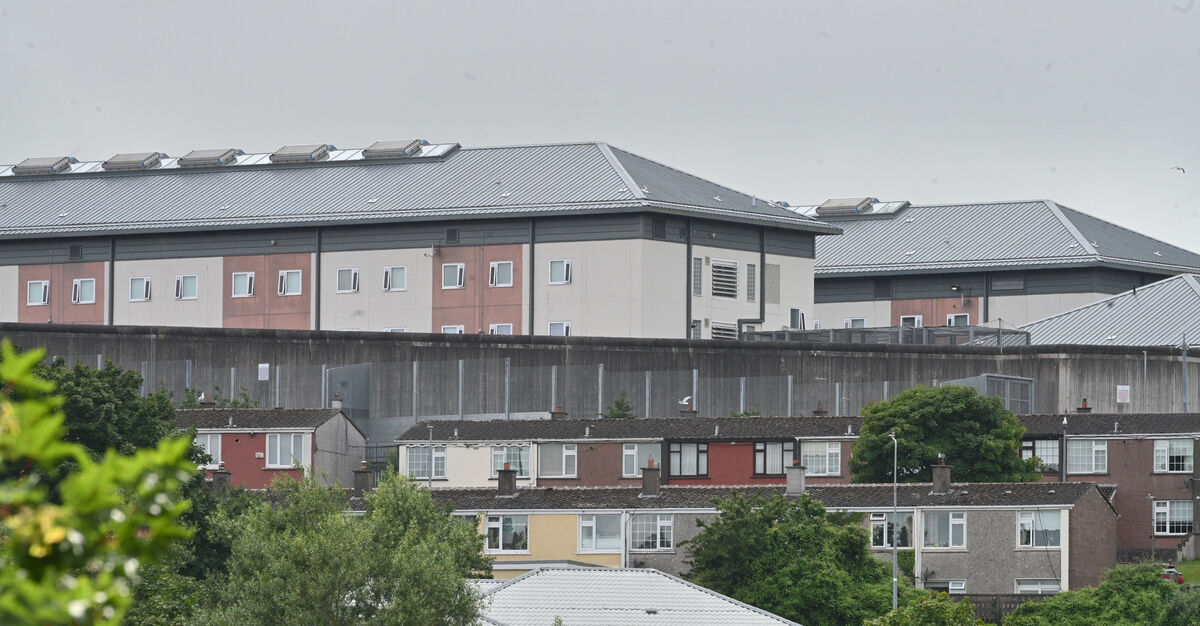
Cork Prison, at Rathmore Road, The Glen, Cork City. Picture: Larry Cummins

There are genuine concerns that the temporary release system in this country is being used to try to deal with the chronic overcrowding we have long known to exist in our prisons.

As of last week, according to the Irish Prison Service, Irish prisons were operating at 114% of capacity, and the Irish Penal Reform Trust says the temporary release system is being used to ameliorate overcrowding rather than as a tool in the rehabilitation of inmates.

That the authorities have had to use temporary release as a stopgap measure to deal with chronic overcrowding is a sure indicator of a system in dire need of support.

And, when you factor in that the prisons are being further clogged by a backlog of cases stemming from the ongoing strike by solicitors protesting against legal aid reform proposals, our overloaded penal system is truly creaking at the seams.

This is worrying for society at large, and especially so given it has emerged that among those released were prisoners convicted of the most serious crimes, including some
convicted of homicide offences, kidnapping, sex crimes, and explosive and weapons violations.

The Irish Prison Service’s contention that temporary releases were granted only as a means to aid rehabilitation and re-engage with communities rings hollow.

Our prisons appear in crisis.

More in this section

Revoiced

Newsletter

Had a busy week? Sign up for some of the best reads from the week gone by. Selected just for you.

Cookie Policy Privacy Policy Brand Safety FAQ Help Contact Us Terms and Conditions

© Examiner Echo Group Limited