Irish Examiner view: Say hello to your (great) grandparents as 1926 Irish census goes online
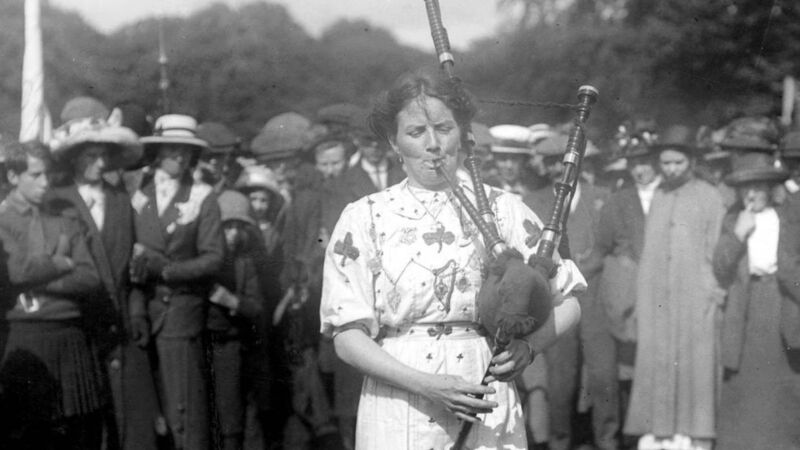
A piper performing at a feis at the Mardyke in Cork in July, 1926. She — and everyone else in the photo — are probably among the millions of people resident in Ireland on April 18 that year recorded in the 1926 census. Picture: Irish Examiner Archive
The 1926 census, conducted on April 18 that year, was the first of its kind to be carried out in what was then the newly-established Irish Free State. Those census returns are now available online. The National Archives has digitised more than 700,000 return sheets and from today — Saturday, April 18, 2026 — they are accessible to genealogists, historians, and all of us here, on NationalArchives.ie.
Surely every household in Ireland will be curious about this data, given the extent of what it may reveal.
The director of the National Archives of Ireland, Orlaith McBride, has pointed out that the census came after an incredible decade in our history while adding a telling caveat: “We had just had a decade of revolution, upheaval, and conflict.
“History records the big moments, the big events in people’s lives but actually the census returns tell the stories and the colour of people’s lives across Ireland.”
This is the irresistible pull of the 1926 census.
Read More
Though all of us learned the dates of the great events and the names of the movers and shakers in our school history lessons, the “stories and the colour of people’s lives” is surely of far more interest.
One immediate point of comparison is the top-line figure — the sheer number of people in the country.
That 1926 Census recorded a total population of 2,971,992, which showed a fall of 5.3% from the previous census in 1911 (which covered the 32 counties).
The CSO estimated that the population of the Republic of Ireland was 5,380,300 two years ago, suggesting the people of 1926 had a good deal more breathing space than their modern counterparts.
However, those who log onto the National Archives site today will probably focus on far more intimate details: Where were their ancestors living, what were their family arrangements, their living conditions, their daily work? Expect plenty of surprises: The hard facts of official registration may not always coalesce with family lore about religion and marriage, for instance.
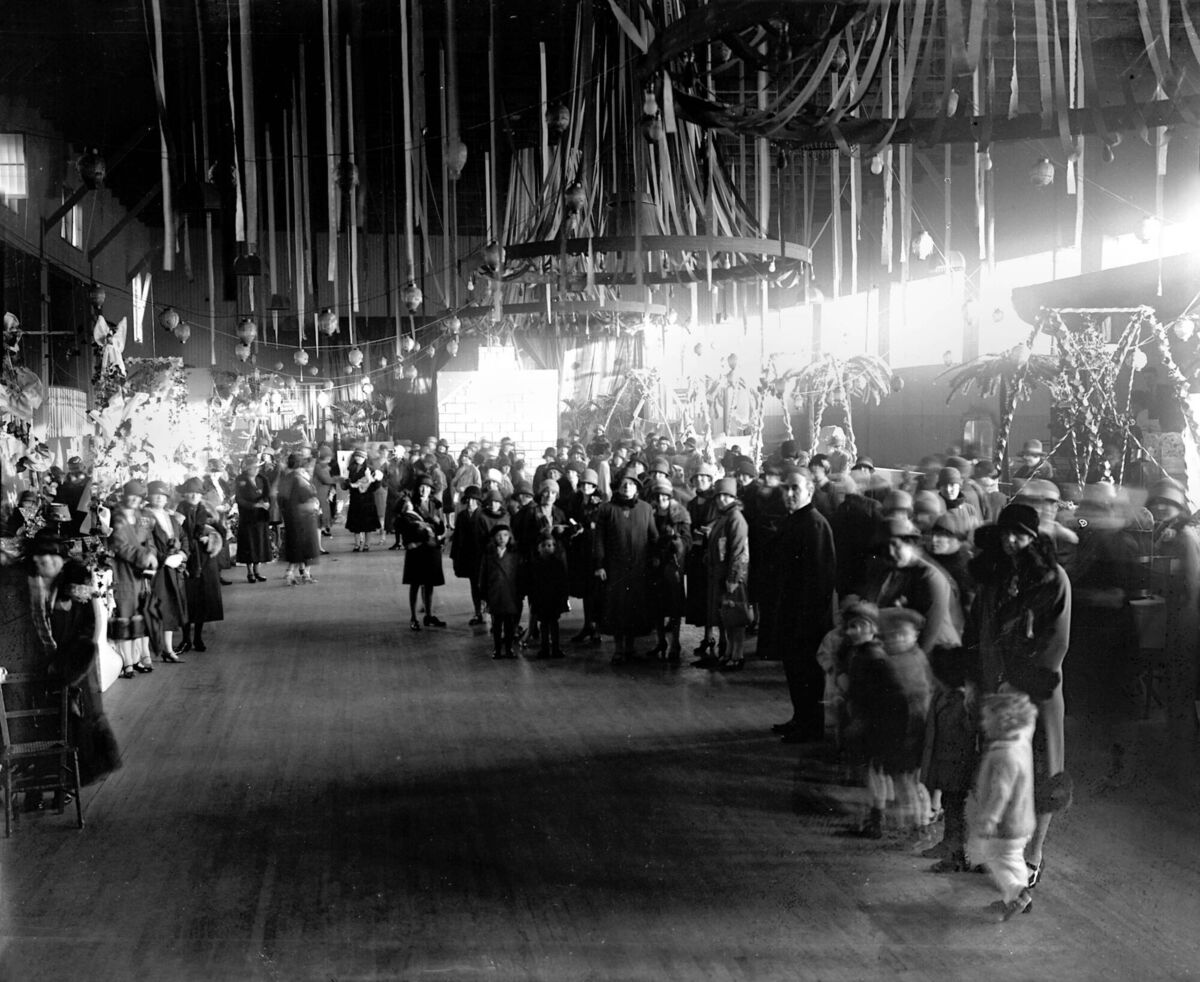
The National Archives are to be commended on this work, which is not so much a matter of digitising and uploading data as offering a priceless portal into the past.
Read More
• The 1926 Irish census is here, on NationalArchives.ie free of charge.
The details of the Cork light rail system were made fully available on Friday with the publication of the preferred route for the transport network.
With costs, according to our report today, Saturday, possibly reaching €2.5bn, the plan for Luas Cork was launched by Transport Infrastructure Ireland (TII).
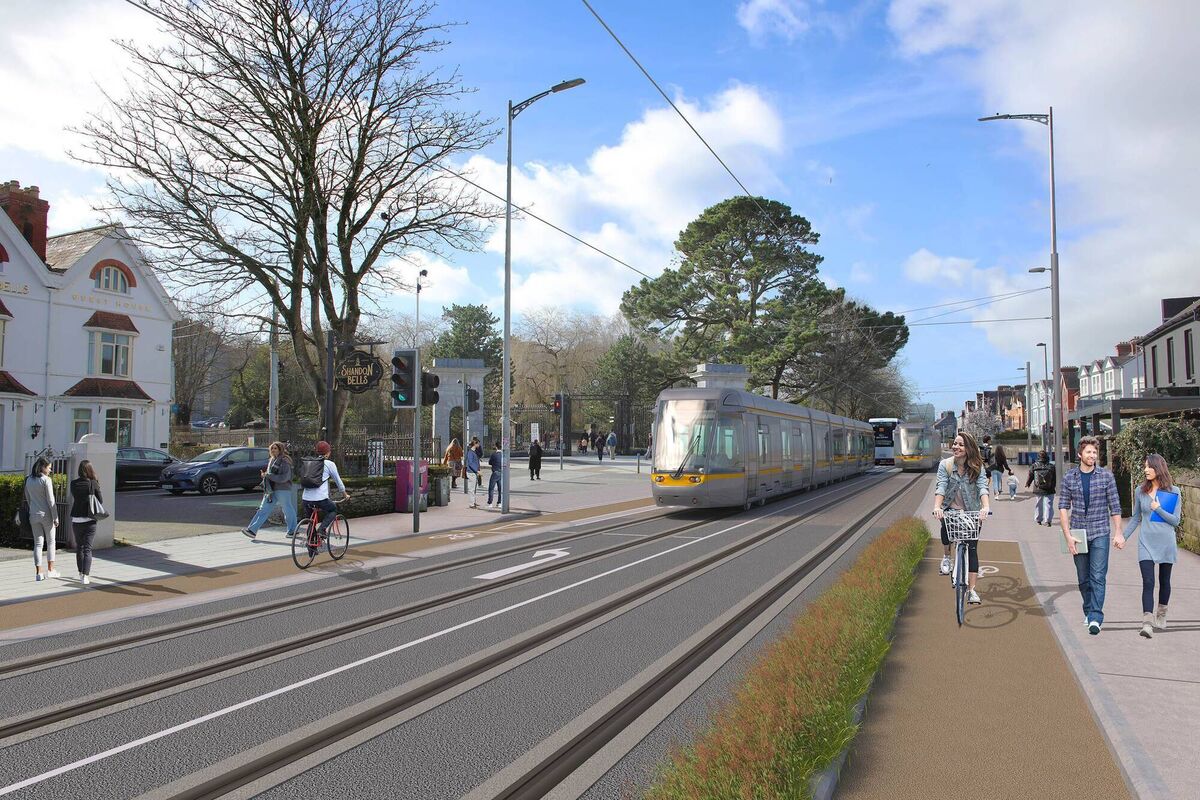
The publication marks the start of a new round of non-statutory public consultation, which is to continue until June 12, and which is expected to feature a considerable amount of feedback on one aspect of the new route.
As revealed in these pages last week by Donal O’Keeffe, the new route does not pass Cork University Hospital on the Wilton Shopping Centre side, but cuts left at Melbourn Rd to go behind the hospital, with considerable impact on residential areas and local facilities.
Those facilities include sports clubs such as Bishopstown GAA and Highfield RFC as well as Bishopstown Community School, Coláiste an Spioraid Naoimh, and St Columba’s Convent. Some or all of these organisations are expected to face compulsory purchase orders, as will private homes along the route.
Considerable resistance to this route is expected if the experience elsewhere is any indication.
In Dublin, the rail connection proposed for the airport was originally routed through Na Fianna GAA club and would have seriously impacted that organisation’s playing fields.
It is likely that the sports clubs facing disruption in Cork will take a leaf from the Na Fianna playbook. The Dublin club enlisted its national governing body to support its resistance to the plan and also commissioned a study to prove its worth to the community; eventually the rail line was diverted around the playing fields.
There is a delicate balance to be struck here between the very real need for improved transport infrastructure in Cork on one hand, and the potential for destruction of sporting, educational, and private property on the other.
Expect plenty of commentary — and horse-trading — before this preferred route becomes an actuality.
We must be approaching the GAA championship time of the year — not just because the evenings are lengthening and the grass growing, but because of an even more reliable indication that those matches are upon us.
The sports department of the Irish Examiner published its annual guide to the championship on Friday, an indispensable handbook which is the most reliable harbinger of hurling and football action imaginable.
Last weekend, there were competitive games in those championships, including a classic Ulster football encounter between Armagh and Tyrone which was won by the former in extra time, while there were entertaining games in Leinster and Connacht also.
The argument could be made, however, that this week-end is the great pilgrimages truly begin, with thousands taking to the roads in Munster in particular for the beginning of the hurling championship in that province.
Clare and Waterford clash in a mouthwatering tie in Cusack Park tomorrow, while one of the high holidays of the Irish sporting year occurs later that afternoon when Cork meet Tipperary in Thurles in a repeat of last year’s dramatic All-Ireland hurling final.
There was a time this began a lot later in the year, but that hardly matters to those supporters.
The earlier the summer games begin the better.
CONNECT WITH US TODAY



Be the first to know the latest news and updates