Irish Examiner view: Mother threatened for speaking the truth
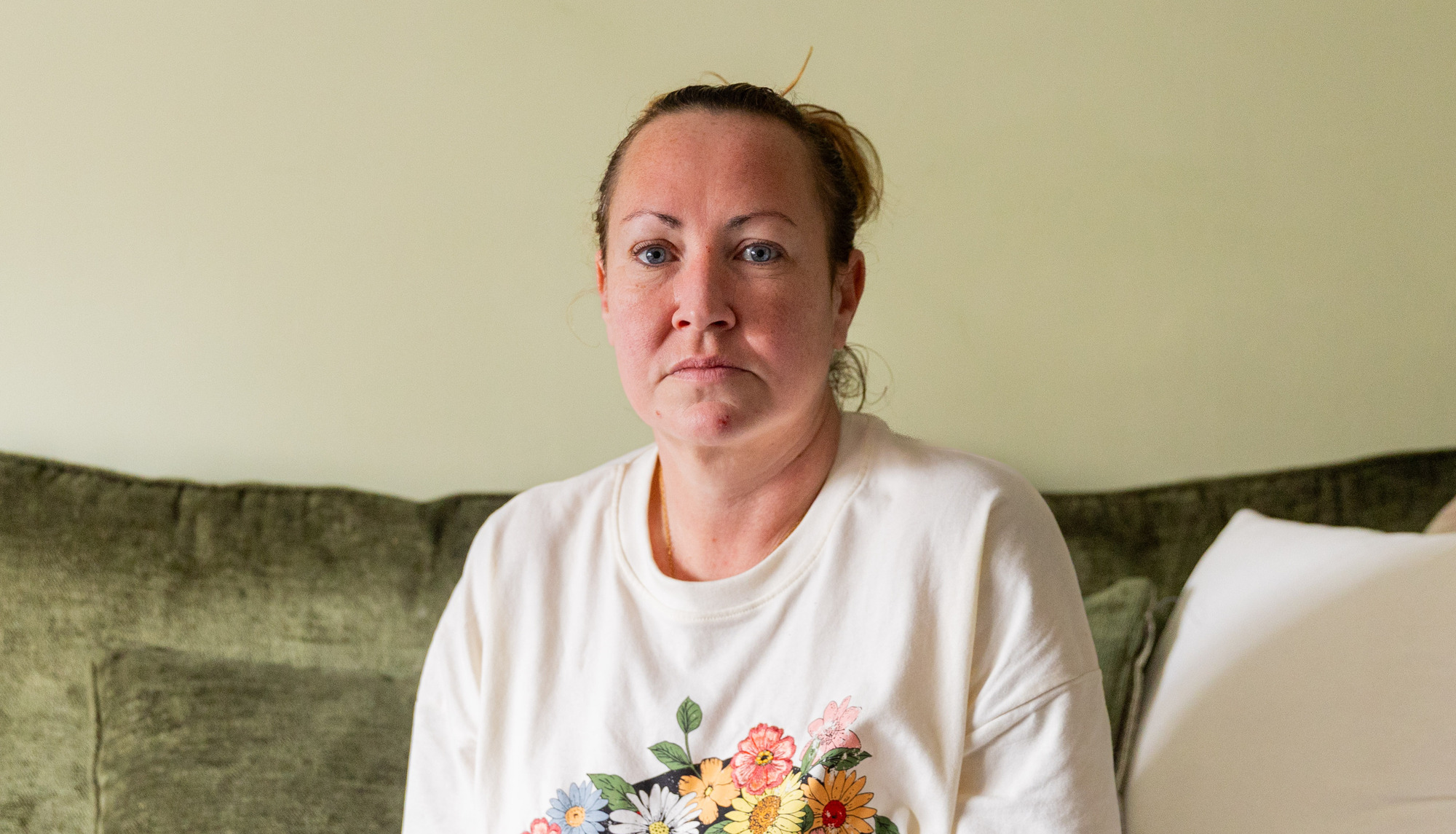
In January Siobhan Gifford Lynch's daughter Grace was struck by a scrambler bike near her home: she was thrown to the other side of the road at a pedestrian crossing and died later in nearby Connolly Hospital. File picture: Gareth Chaney
In recent days the fuel demonstrations and blockades have led to a good deal of discussion about what constitutes a valid protest and what we mean, exactly, when we talk about taking a stand on an issue.
Siobhan Gifford Lynch of Finglas needs no explanation on that score. In January her daughter Grace was struck by a scrambler bike near her home: she was thrown to the other side of the road at a pedestrian crossing and died later in nearby Connolly Hospital. An 18-year-old man has since been charged in connection with her death.
Ms Lynch was outspoken in the immediate aftermath of her daughter’s death about the need for such scramblers to be banned from public roads so that other families would not suffer a similar fate.
That has since happened with ‘Grace’s Law’, but Ms Lynch has not been slow to state some awkward truths, expressing her belief that the law is “unworkable”. She has also stressed that the law “banning scramblers is not new”, and that her daughter was let down because of a lack of enforcement rather than legislation.
It is remarkable that someone could find the strength to campaign for measures which prevent others from experiencing similar heartbreak, but it is truly staggering that Ms Lynch is now being threatened for doing just that.
She revealed to the this week that she has been sent messages which include threats to “leave you the way your daughter was” and that she “should be put down there with her”, as well as threats to smash her windows.
While Ms Lynch has vowed to continue her fight to keep scramblers off the roads, it is difficult to believe that she is being threatened for doing so. We have seen the State deploy the full array of its resources in recent days to deal with the fuel protests. It would be encouraging to see similar efforts made to support Siobhan Gifford Lynch in her campaign.
The last week has been so eventful that we are still working out its immediate implications, never mind what it augurs for the medium and long term.
The impact of the fuel protests on the world of politics can already be seen, however. The motion of no confidence in the Government which was tabled yesterday, as the Dáil returned after the Easter break, was one obvious result of the protests, but the pressure on ministers was clearly visible in other ways also.
On Monday, for instance, media minister Patrick O’Donovan suggested that RTÉ’s coverage of the blockades might need to be reviewed by Coimisiún na Meán, a move described by the National Union of Journalists (NUJ) as “sinister and deeply disturbing”.
However, on Tuesday his party leader Tánaiste Simon Harris distanced himself from Mr O’Donovan’s comments, saying: “I certainly don't think there's any need for any sort of formal review.”
A more traditional version of the coalition contre temps emerged earlier this week when Minister for Foreign Affairs Helen McEntee suggested that processes at a senior government level could be “improved” and declined to confirm whether she had been consulted by Minister for Justice Jim O’Callaghan before he announced last week that he intended to involve the Army in managing the protests.
Before yesterday’s vote even took place Independent TD Michael Healy-Rae had resigned as Minister of State at the Department of Agriculture in protest at the Government’s handling of the crisis.
For those on the opposition benches there are different issues to deal with: while they have the freedom to criticise the Government for its handling of the protests, the various parties and groupings may find aligning themselves with the protesters, or endorsing their methods, far more challenging.
The protests have inserted a notably volatile element into our political system. It is difficult to predict how that element will interact with the existing components of that system.
Readers will be aware by now of the passing of Moya Brennan yesterday. She was 73.
Born Máire Ní Bhraonain, she grew up in the Gaoth Dobhair Gaeltacht in Donegal and formed Clannad with her family in the 70s. Another one of those family members, Eithne, would achieve worldwide fame later as solo artist Enya.
Performing at first in Leo’s Tavern, the family bar, the group won the Letterkenny Folk Festival in 1973, which proved the springboard for a lengthy career. In the decades afterwards Moya Brennan and Clannad sold millions of records and enjoyed huge chart success, particularly with their breakthrough hit in 1982, and subsequently with the theme from another TV show, . Their body of work was recognised with an Ivor Novello, Bafta, and Grammy awards as well as Irish Meteor and BBC Folk Lifetime Achievement awards.
Some years ago she told this newspaper that John Huston’s film of James Joyce’s The Dead was one of her cultural highlights, recalling an event in honour of Anjelica Huston, who starred in the movie, in New York.
“There was a special dinner and they asked us (Moya and Cormac de Barra) would we play for it. We thought about doing something special so we sang The Lass of Aughrim. It’s a lovely song and so poignant, and how Frank Patterson sings it in the movie is unforgettable.”
That is how generations of people felt about her own singing.
Ar dheis Dé go raibh a hanam.

CONNECT WITH US TODAY



Be the first to know the latest news and updates