Irish Examiner view: Dublin feels less safe in wake of violence
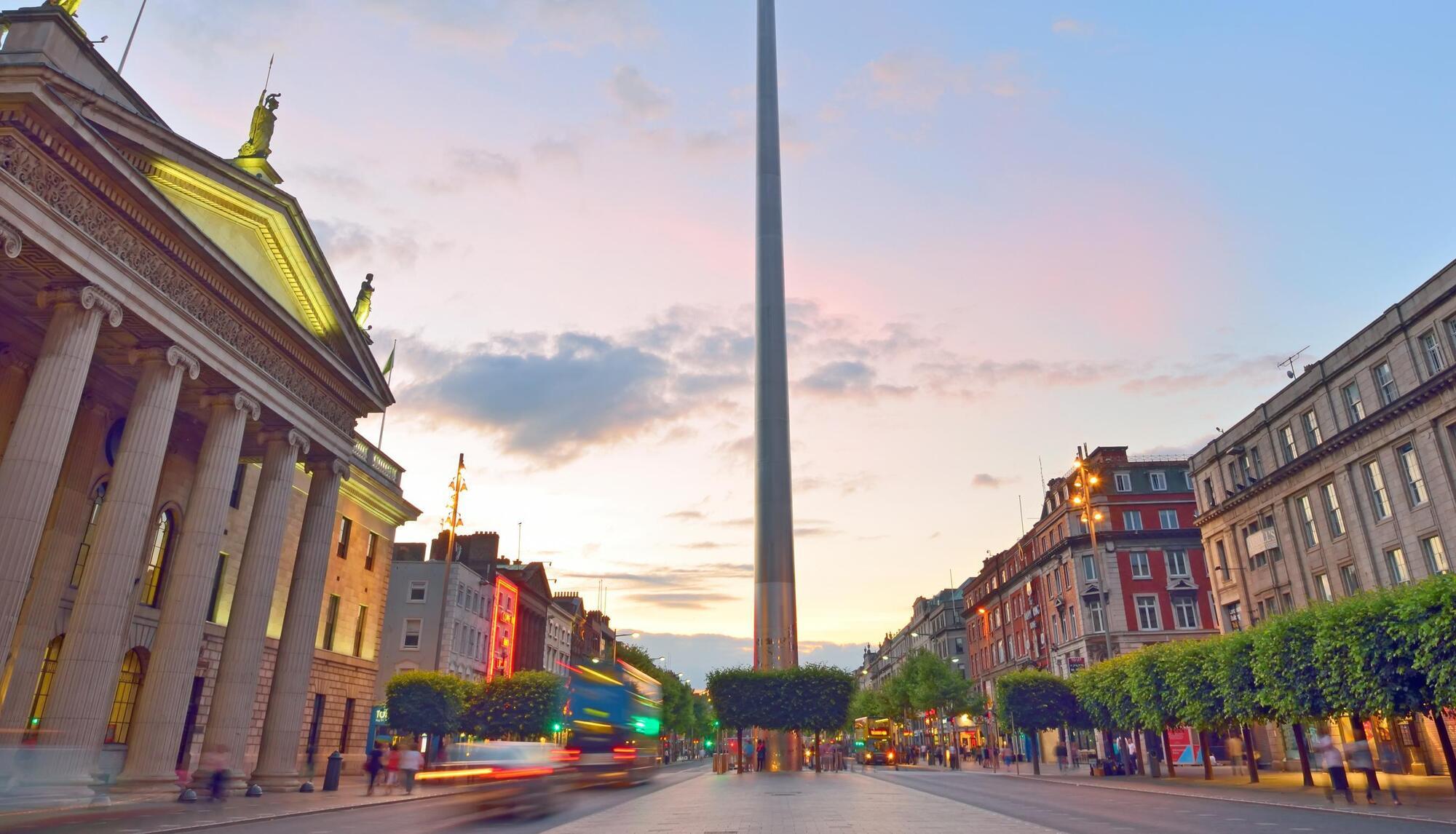
The idea that people are running for their lives through the streets of Dublin, or jumping in the river, is particularly chilling.
It has been a grim few weeks in Dublin.
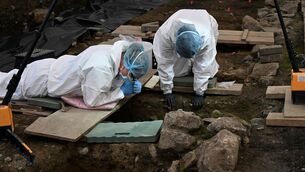
On May 15, Yves Sakila died after an incident near Arnotts on Henry St.
Two days later, Alex Coughlan was allegedly assaulted in Blanchardstown and died from his injuries later in hospital.
Earlier this week, there were more deaths in the capital.
Qayyum Balogun died in the early hours of Monday morning after an incident in the city centre.
Thomas Griffin died after swimming across the Liffey near Islandbridge last Saturday.
What is shocking about the last two deaths is that Mr Balogun is understood to have tried to escape from pursuers, but was chased and caught near Clarendon St.
Gardaí believe Mr Griffin was trying to get away from an attacker who had stabbed him.
The idea that people are running for their lives through the streets of Dublin, or jumping in the river, is a particularly chilling detail.
As a result, there has been a good deal of debate about the capital.
Read More
One local politician asserted that Dublin is now a “much safer city than what it was a number of years ago”.
Fianna Fáil councillor Rory Hogan acknowledged the seriousness of the Clarendon St fatality in particular, but also said: “We need to be sure to separate the emotional reaction to an incident like this to the overall statistics.”
This assertion brings into focus a long-standing tension when it comes to crime.
Are we inclined to accept data and statistics over our “emotional reaction” to particularly brutal crimes?
The obvious point is that this is not just a matter of facts and figures.
We may be able to produce statistics which show that crime is decreasing in a particular area, but perception is also a powerful factor.
The fact that there have been four shocking deaths in Dublin in the last three weeks is likely to have a far greater impact on people’s views on safety in the capital than any statistics — however encouraging those are portrayed to be.
This week saw an interesting development in the ongoing Cork Luas story, a narrative which looks likely to rumble on for quite a few years to come.
Readers will be aware that one particular portion of the proposed route has provoked controversy because it will cut through the grounds of two sports clubs: Bishopstown GAA Club and Highfield Rugby Club.
Bishopstown has vowed to fight “to the very end” over the route, describing the plans to cut through its land and Highfield’s as “completely unacceptable”.
This week, it was reported that transport minister Darragh O’Brien offered the example of Fingallians GAA Club in Dublin, which is to receive upgraded facilities to replace those it may lose in the MetroLink construction process, saying “you’ll see that being done” with the clubs impacted by Cork’s Luas plan.
Mr O’Brien stated that, in Fingal, the local authority and Transport Infrastructure Ireland engaged with sports clubs “right the way through the planning process, looking at where we can acquire a piece of land or looking at the State land there as well. We’re very open to that.”
On the face of it, this looks very positive for Bishopstown and Highfield.

It must also be acknowledged that, with major transport projects such as this that take years to complete, there are many twists and turns before the final route is agreed let alone built.
However, this latest development could also be creating a very dangerous precedent.
There are plenty of other organisations, groups, and individuals who will feel discommoded and disturbed by the Cork light rail project, and here is an example for them to follow when they seek redress.
The commitment to help the two clubs in question may be commendable in the abstract sense, but it also has the potential to lead to considerable headaches in the future.
Others are sure to look for their own bespoke arrangements, and there is enough uncertainty and vagueness about this project as it stands without complicating matters further.
At a time when the dairy industry is facing a struggle, salvation has come from an unlikely source.
With traditional dairy products facing oversupply, farmers have had to contend with milk price cuts, but gym users have come to the rescue with their demand for protein.
Whey protein isolate prices have soared in recent years; the milk-derived protein ingredient, which features in popular products such as ready-to-drink sports beverages, is now worth up to €28,000 per tonne.
It is estimated that sports nutrition, in all its varied forms, is driving approximately 45% of the global increase in demand for high-protein powders.
Whey and casein milk ingredients are estimated to account for 55% of the market, which is a remarkable triumph for whey in particular.
It was once a by-product of cheese production and largely used as pig feed, but is now a key ingredient in food products aimed at gym-goers and athletes.
This is big business.
Carbery Group in West Cork, a producer of premium whey protein for the sports nutrition and infant nutrition markets, says the global sports nutrition market is growing by 10% annually, with almost 80% of that growth generated by protein-based products.
Little wonder that Tirlán is investing €126m in facilities to expand high-protein production.
Who would have predicted that gym bros would save the dairy industry?


CONNECT WITH US TODAY



Be the first to know the latest news and updates