Last week, we learned of the country’s chronic shortage of specialised car crash investigators, experts trained to determine the causes of road traffic accidents.
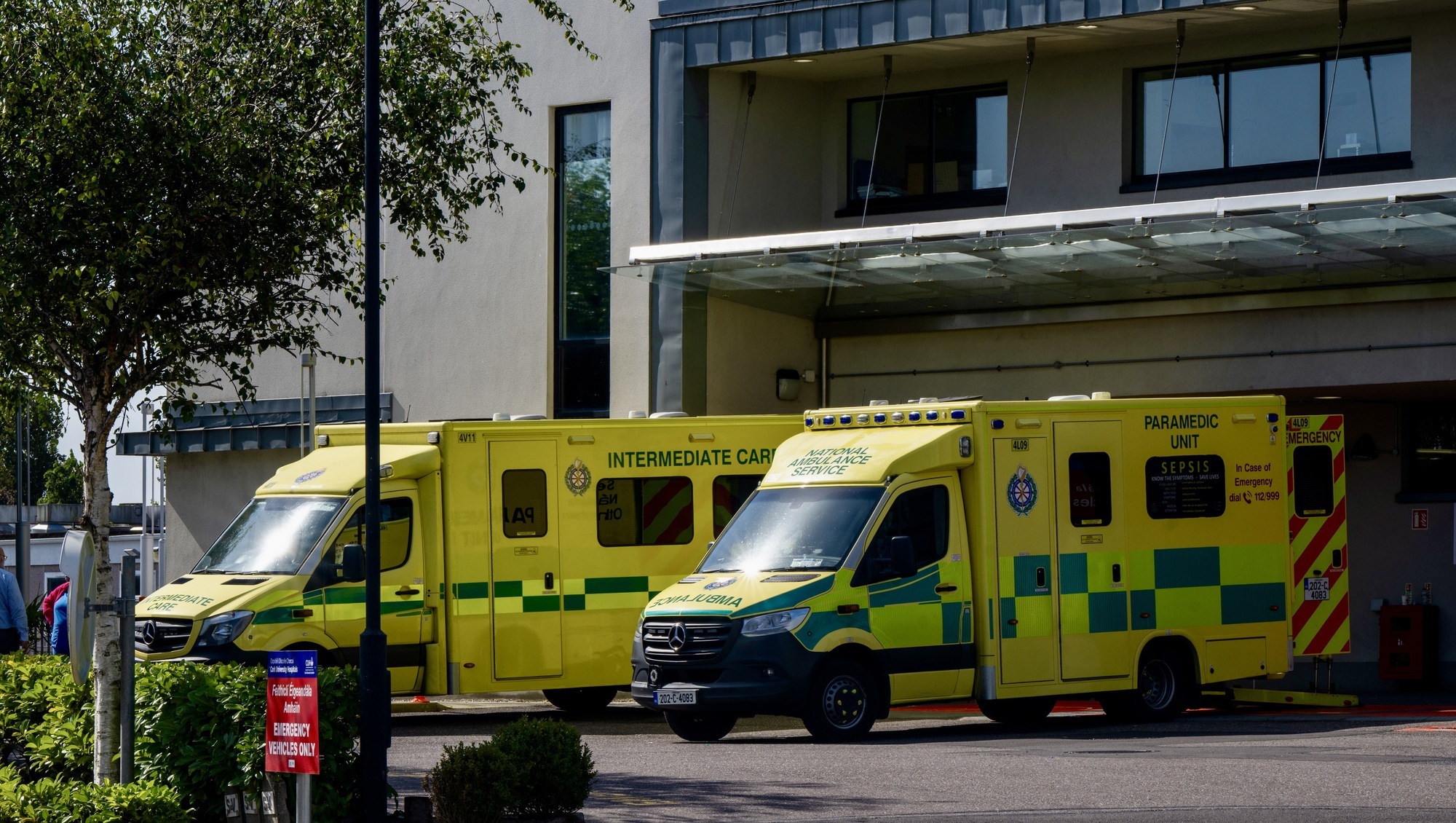
This week we learned of a different shortage in personnel. Cork University Hospital has 25% fewer radiation therapists than it needs to work with cancer patients, according to HSE Southwest. The hospital is short the equivalent of 13.5 full-time radiation therapists, with Priscilla Lynch, integrated healthcare area manager for Cork South and West, telling the Regional Health Forum South: “The most recent campaign to fill four clinical specialist RT posts secured one successful candidate.”
By engaging outside recruitment agencies, the HSE is clearly trying to address this issue, which is further complicated by challenges in training up therapists.
Recruitment has been a challenge across the healthcare system in Ireland for quite some time, with vacancies in many different areas within that system. Last week’s news about crash investigators illustrated how that challenge is facing other State bodies also, and in that context it was interesting that yesterday we also saw the Government being criticised by Fine Gael TD James Geoghegan for not doing more to roll out AI tools across the civil service.
While AI is destined to become a major part of all our working lives and needs an appropriate level of focus from our State organisations, it would be an error for those organisations not to focus on recruiting the best people for current vacancies. They should not be distracted by commitments to developing AI tools at the expense of maintaining full staffing levels, particularly at the coalface of health care.
People are suffering because of the lack of staff in our health system. Last weekend, Gillian Ryan, who is being treated for lung cancer, told this newspaper about her frustration with the lack of regular surveillance scans: “It is a surveillance scan to see where the cancer’s at, how it’s behaving. Basically I need a scan to see if I’m dying or not.”
Gillian and others deserve a functioning health system — one which is fully staffed.
Giving teens their own space
Good news for teenagers with the announcement that the Government is to introduce a new national play and recreation policy for the first time in 20 years, one which will focus specifically on creating social spaces for teenagers.
Children’s minister Norma Foley has tasked officials in her department to lead on the policy and to give particular consideration to social spaces for teenagers, given their rising numbers and the lack of facilities available to them.
A Department of Children review found there is “little recognition of the differing play and recreation needs of adolescent girls, who are even more underserved than adolescent boys”. It is encouraging that the department is recognising this challenge. A degree in sociology is not needed to appreciate that teenagers often lack spaces where they can meet — particularly places which are not commercial outlets.
Coffee shops and fast-food restaurants often become de facto teenage hangouts but money is necessary, obviously, to use those commercial outlets. It would be far better to have free spaces which cater for teens who are too old for playgrounds and too young for bars.
The department is recognising one of the mainstays of urban theory here — the need for a ‘third space’ which is neither home nor work (or school, in the case of teens) but an informal meeting space where communities are built organically.
It is also encouraging that the department is working to accommodate a strong belief among urban theorists about the differences in the way teenage boys and girls use recreational areas. Research suggests that teenage boys opt for public spaces designed for activities more than teenage girls, who may prefer spaces to socialise together.
Only time will tell if this policy leads to concrete results but it bodes well for now at least. Our most recent census showed that Ireland is home to approximately 500,000 teens aged between 12 and 18. It goes without saying that any cohort of half a million people should be better served by the State, and teens are no exception.
Wide of the mark
Readers will be familiar by now with the camogie skorts controversy, which erupted last weekend before Dublin played Kilkenny in the Leinster senior semi-final.
Both teams lined out in shorts as a protest against skorts, the tight shorts covered with a strip of cloth to make them look like a skirt.
Skorts must be worn according to camogie rules, so the referee told the two counties’ managers last weekend the players would have to change into skorts or the game would be abandoned. The players had to leave the field and change into skorts for the game to take place.
All sports organisations are trying to encourage participation, yet here is a clear case of participants being actively discouraged from playing a sport. The Camogie Association has drawn attention to its most recent annual convention — at which motions favouring shorts were defeated — but the organisation is hiding behind the rulebook. Instead of facilitating camogie players and making it as easy as possible to play the sport in the clothing they favour, its governing body is putting obstacles in their way.
Telling women to change their clothing to play a sport is an appalling exhibition of control and disrespect. A swift apology and swifter rewriting of the rules might salvage a draw for the Camogie Association.
CONNECT WITH US TODAY
Be the first to know the latest news and updates