Irish Examiner View: Dismal defence budget must be addressed amid rising threats
Irish Examiner View: Dismal defence budget must be addressed amid rising threats

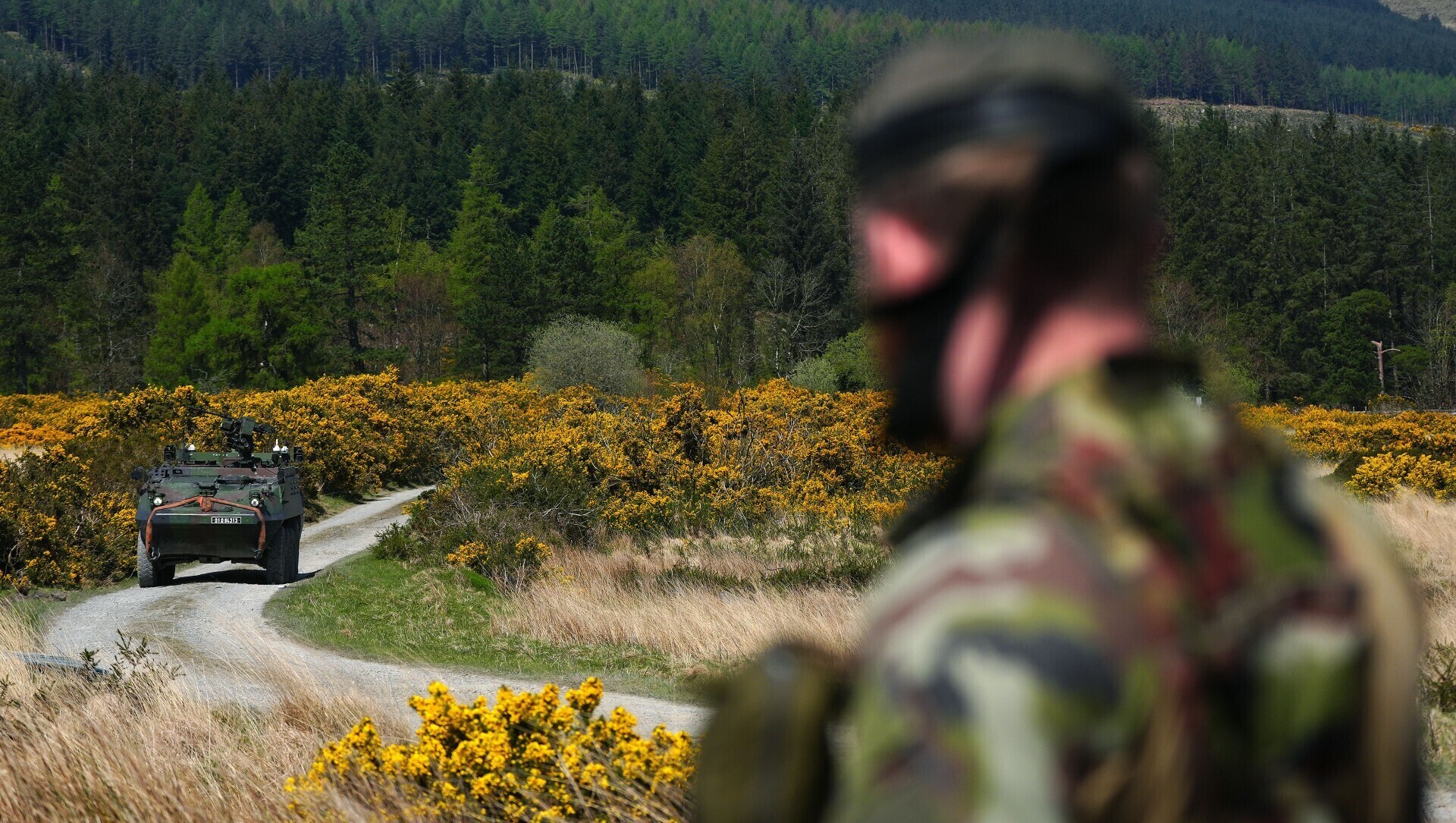
Members of the Defence Forces during the 128th Infantry Battalion UNIFIL Mission Readiness Exercise (MRE) at Glen of Imaal, Co Wicklow. Picture: Brian Lawless/PA

Given the much-publicised threats to Ireland’s security from any and every international actor with malevolent designs on world order, it is disappointing to learn the comparatively dismal amounts of money we have committed to domestic protection.

Figures revealed in these columns indicate we continue to languish behind almost every other of our European counterparts and colleagues in defence expenditure.

The latest 2025 figures show our defence budget to be stuck at 0.2% of GDP, a rate which has not changed since 2021, despite clear and evident threats to the economy, as well as our digital and energy security.

This is despite much-heralded Government plans to beef up each of the three elements of the Defence Forces — army, navy, and air corps — and promises to lock the country down the many threats and warnings we are all too aware of.

Regular sightings of Russian naval activities in and around those areas where vital cables connecting us and much of the rest of Europe globally have become commonplace in recent years, with Moscow intent on mapping and targeting vital digital infrastructure — and extraordinarily little being done to stop them.

The truth is that we do not have the resources necessary to deter the Russians — or anyone else, for that matter — from making a mockery of our ineffective defences. It is inexcusable that our Government has overseen this dereliction of national security, despite bold promises to the contrary.

In 2022, the then government (which is largely the same as it is now) committed to increasing our defence budget from €1.1bn to €1.5bn by 2028. Figures, as we know, can be manipulated any which way, but whichever way you stack it up, those promises have not been met.

As it stands, Ireland remains steadfast at the bottom of the table of EU states when it comes to defence spending. At 0.2% of GDP, we trail behind the state spend of the other 26 members, which averages out at 2.1%, with the bulk of them having dramatically increased spending in this area since Russia invaded Ukraine in 2022.

Reacting to the latest figures, David Dignam, a retired brigadier-general of the Defence Forces, said Ireland remains the outlier.

“Nobody should be in the slightest surprised that Ireland’s defence spend, as a percentage of GDP, remains stuck at 0.2% — the lowest within the EU,” he said.

“Ireland remains — by a margin — the outlier in relation to defence spending within the EU. As our EU partners continue to prepare for war with Russia in a 2030 timeframe, Ireland continues to ignore — as best it can — the realities facing our EU partners. Hoping for the best, while planning for the best, rarely ends well in the defence and security arena.”

Tánaiste and defence minister Simon Harris has sought capital funding of €3.4bn between 2026 and 2030, but the Department of Public Expenditure has balked and offered just €1.7bn.

In the face of the obvious threats we face, this is a matter that needs to be addressed as a matter of urgency.

Dementia care developments have the potential to transform lives

Dementia is increasingly becoming an issue in almost every household in the country, but the news that the condition will become “a more manageable chronic disease” within a relatively short period of time is truly welcome.
Within the next 15 to 20 years, better medicines, better treatment, and a better understanding of the condition will ultimately make a significant difference for sufferers and their families.

An estimated 64,000 people suffer from dementia in Ireland at present, and while improved medications can slow the disease, other initiatives are expected to greatly help those individuals and their families.

A broad spectrum of developments, including earlier diagnosis, more focused used of medicines, and improved supports will all play a role in making life more bearable.

The management of this chronic disease could be made easier in the long term as more focus is concentrated on people’s brain health. That will make early diagnosis more commonplace and early intervention will slow the progression of dementia.

It may not be that a cure is at hand — as, like cancer it is not a single condition — but if the lives of sufferers and their families can be eased in any shape or form, it will be transformative for many.

Cost overrun for contactless travel cannot be allowed to continue

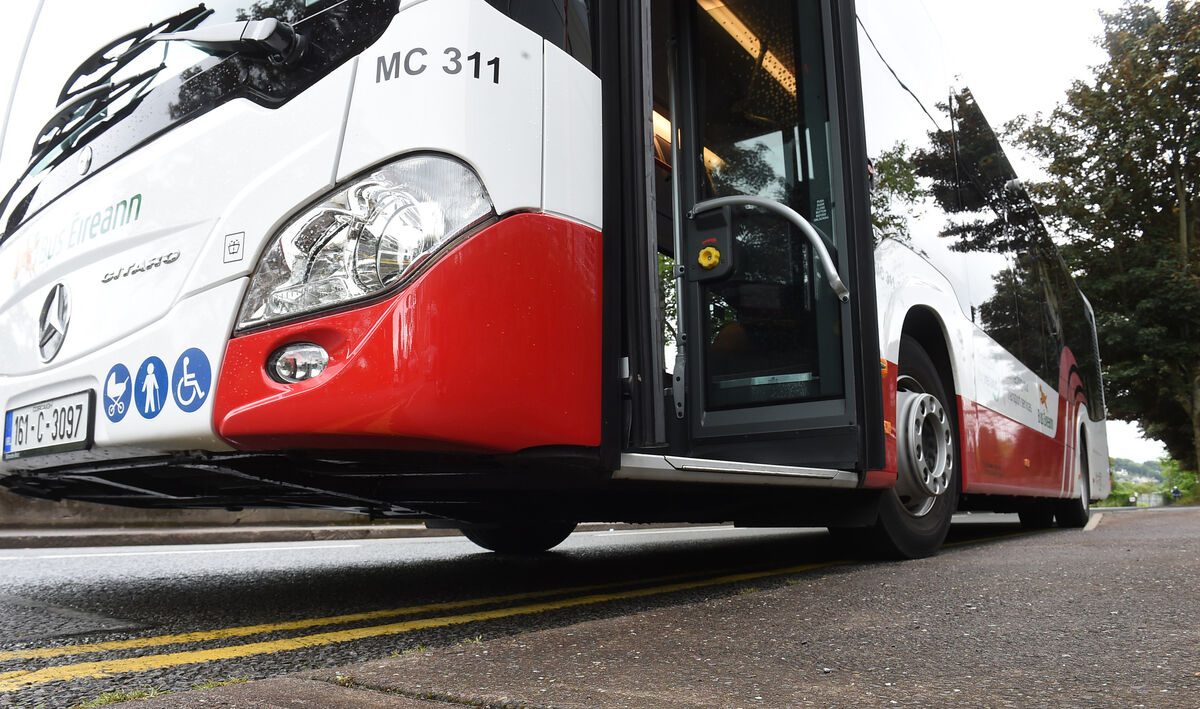
A company has been engaged to develop the next-gen ticketing system for bus, rail, and Luas to replace the Leap Card arrangement. Picture: Larry Cummins

We are sadly all too used to often catastrophic cost overruns and massive delays to hugely necessary infrastructure projects in this country, but the latest example of this national malaise, is almost comical.

Except it is far from funny.

Last week, members of the Dail’s Public Accounts Committee were dismayed to learn that there are questions about the ability of an IT contractor to deliver a €200m — at best — contactless ticketing system in the light of delays and overruns associated with a completely separate project for the rail network.

The contractor concerned, Indra, has been engaged to develop the next-gen ticketing system for bus, rail, and Luas to replace the Leap Card arrangement, while also working on a train traffic management system for Irish Rail.

The committee has heard senior transport figures now doubt Indra will be able to deliver the project, and it appears that the National Transport Authority has a “more rosy” view of the situation than Irish Rail itself.

It also expressed the view that the situation was a “developing shambles” and will write to transport minister Darragh O’Brien to express its concerns.

Under initial proposals following tendering, the rail traffic management system was supposed to be commissioned last year with an associated target of €19.5m. It now appears that €31.5m has already been spent, and the first phase has not yet been completed.

The public is sick and tired of these examples of infrastructure delays and cost overruns. They cannot be allowed to continue in this alarming fashion.

x

More in this section

Revoiced

Newsletter

Sign up to the best reads of the week from irishexaminer.com selected just for you.

Cookie Policy Privacy Policy Brand Safety FAQ Help Contact Us Terms and Conditions

© Examiner Echo Group Limited