Irish Examiner view: Drug reformers may suffer buyers’ remorse
Many believe drug use should be regarded as a health issue rather than dragging users through the criminal justice system. But experience from abroad may prompt some second thoughts 
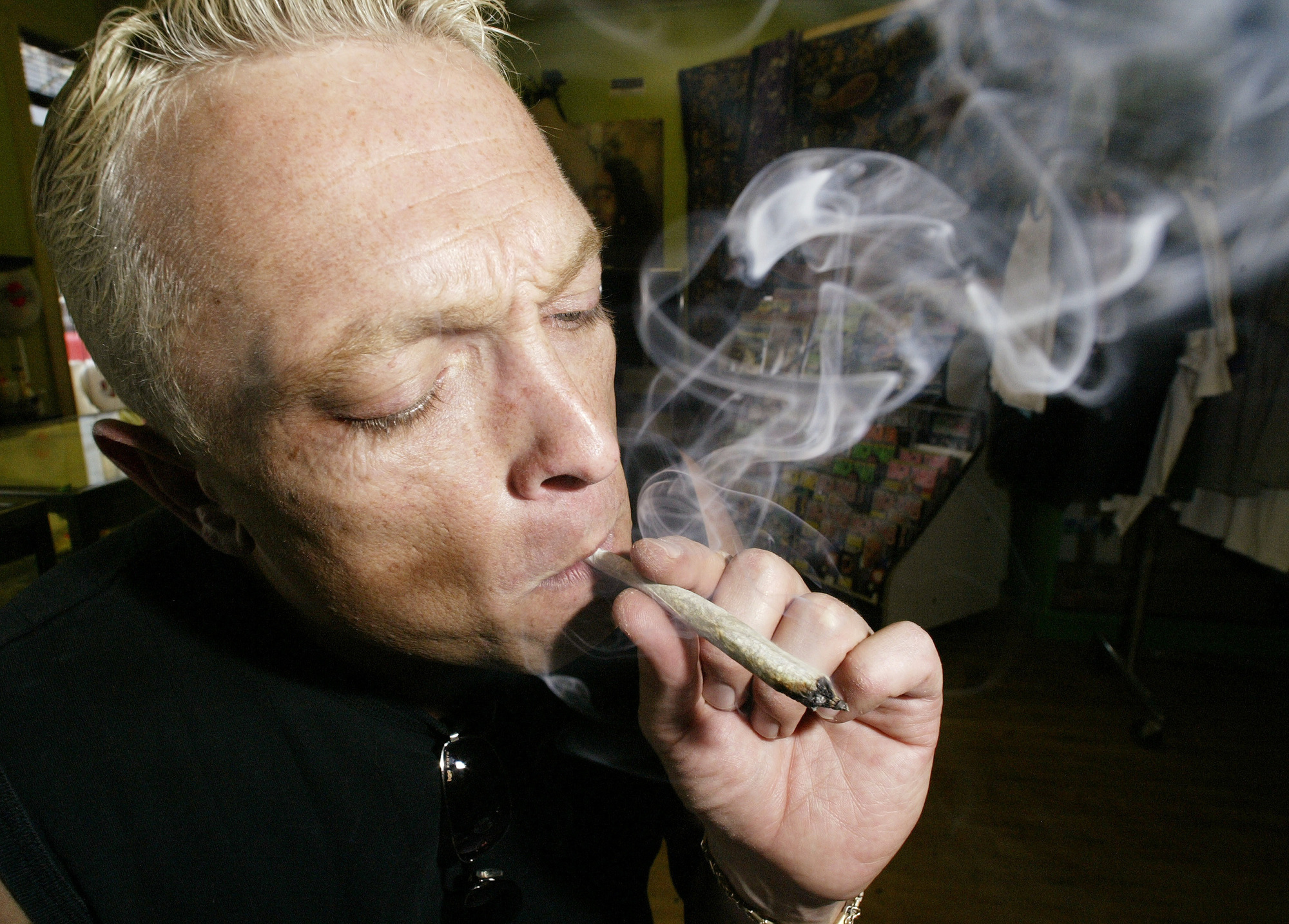
The use of cannabis has been legalised in a growing number of countries, while the possession of small quantities of all drugs has been decriminalised in places such as Oregon in the US and Portugal. Picture: David Lucas/Getty

The use of cannabis has been legalised in a growing number of countries, while the possession of small quantities of all drugs has been decriminalised in places such as Oregon in the US and Portugal. Picture: David Lucas/Getty

What continuing lessons will Ireland take from countries which have decriminalised the personal use of recreational drugs?

During the Citizens’ Assembly meetings, which delivered the recommendation that people found in possession should be diverted to a health-led system rather than into the arms of criminal justice, much was made of Portugal as an exemplar. Assembly chair Paul Reid went so far as to name check the Portuguese model as the version Ireland should follow.

The extent to which the Oireachtas pursues that direction among the 36 suggestions sent to it has yet to become clear.

Policy change will almost certainly be a matter for the next Government.

One of the key considerations for politicians is whether public opinion is genuinely ready for addicts queuing up at safe zones, to use crack cocaine and heroin under the scrutiny of medical staff paid for by the taxpayer.

Central to the policy is the belief that it is better to treat addicts rather than turn them into criminals. And, at an intellectual level, this makes a lot of sense.

In Portugal — where dealing drugs remains a criminal offence — such centres receive hundreds of thousands of visits each year. This liberal approach does not translate into popularity among the general citizenry. One recent survey found that 75% of residents perceive drug use as a problem in their communities.

Few countries have been more ravaged by illegal drugs in recent decades than the US, where the recreational use of cannabis is now legal in 24 states.

Only one US state has opted to follow the Portuguese model — Oregon — where 58% of residents voted in favour of legal possession of small amounts of all drugs in 2020.

And here’s a case study for Ireland to ponder because Oregonians are now considering reversing that decision after concerns that the infrastructure was not in place to support it, because of a spike in opioid-related deaths along with open drug use and disorder on some city streets.

Supporters of the liberalising reforms propound arguments which will ring bells here. Five decades of the “war on drugs” have not rolled back illegal usage.

Reimposing criminal consequences will make it more difficult for people to beat their addictions.

The lesson from Oregon is that deregulating without significant investments in treatment, peer support, harm reduction, and advocacy becomes a self-fulfilling prophecy. If homelessness and overdose rates increase, then it is decriminalisation that will be blamed.

At the moment, we have no clear idea of the details that will shape policy in Ireland. When they emerge, they must be accompanied by a proper audit of the increased resources that will be necessary.

By that time, we will also have a clearer view as to whether the Irish market has been penetrated significantly by fentanyl or other synthetic opioids — the substances most closely linked to accelerating death tolls in overseas case studies.

Irish citizens need to know exactly what they are letting themselves in for, and what the ongoing costs will be, if they are to support radical transitions which will be highly visible in towns and cities.

Opinion-makers, care workers, doctors, and politicians must not assume that there will be widespread voter support for their changes. However, arresting our way out of this problem does not seem a likely solution. A rational and long-term alternative is going to require clear communication, patience, and honesty about the costs.

Assisted dying

While Irish opinion remains significantly divided over the issue of assisted dying, other nations are moving on with making their own arrangements.

An Oireachtas committee is mulling over submissions made last year and continues to receive opinions. There will be more this week as representatives from the Department of Health and the HSE examine a system for assisted dying and alternative policies.

Before Christmas, a preponderance of medical practitioners, including representatives of the Irish Palliative Medicine Consultants’ Association (IPMCA), expressed fundamental opposition to the introduction of assisted dying, assisted suicide, or euthanasia.

It would, said the IPMCA, represent “a regressive change to patient care in Ireland”. Given our predilection for seeking out the experiences of other countries, observers will have noted recent developments in the Netherlands, where there is a growing trend towards “duo euthanasia” where couples are deciding to depart this life together. Attention was focussed this week when a Catholic former Dutch prime minister, Dries van Agt, died by euthanasia, hand-in-hand with his wife of 70 years, Eugenie. They were both 93.

Euthanasia of couples was first noted in a Dutch review in 2020 when 26 people chose to die alongside their partners.

In 2022, 58 cases were recorded. It is still relatively rare.

Van Agt never fully recovered from a brain haemorrhage in 2019. Euthanasia and assisted suicide have been legal for 22 years for six conditions including unbearable suffering, no prospect of relief, and a long-held, independent wish for death. As with drugs reform, this is a subject which is likely to be dropped into the in-tray for the next Irish government.

However, given that approximately 28,000 patients face end-of-life challenges annually and that the Oireachtas was told that some 6% can be complicated in terms of pain management, this means there could be more than 1,500 people a year who may wish to consider an alternative option. Or to have a say in how they die to prevent suffering and pain.

Cork Chamber in bullish mood 

This annual dinner of Cork Chamber of Commerce was bullish enough about future prospects despite a continuing raft of gloomy news from smaller businesses.

All the contemporary trigger phrases were in action: Renewables, green transition, environmental responsibility, sustainable development, energy security, carbon-neutral economy. But what is notable is that big-ticket, old school, and often carbon-intensive projects which provide the most important focus for businesses in the medium term.

In his last address as chamber president, Ronan Murray told 1,000 guests there was an imperative for the M28 motorway project between the Dunkettle Interchange and the Port of Cork at Ringaskiddy, as well as improvements to the Cork-Limerick N20 route. He also said the city would benefit from increased connectivity and routes to and from Cork Airport.

These are not ‘green’ projects, but they are required for businesses to thrive in the short term and will help to balance the Irish economy outside of Dublin.

x

More in this section

Revoiced

Newsletter

Had a busy week? Sign up for some of the best reads from the week gone by. Selected just for you.

Cookie Policy Privacy Policy Brand Safety FAQ Help Contact Us Terms and Conditions

© Examiner Echo Group Limited