Irish Examiner view: Bill reflects chaotic Irish planning
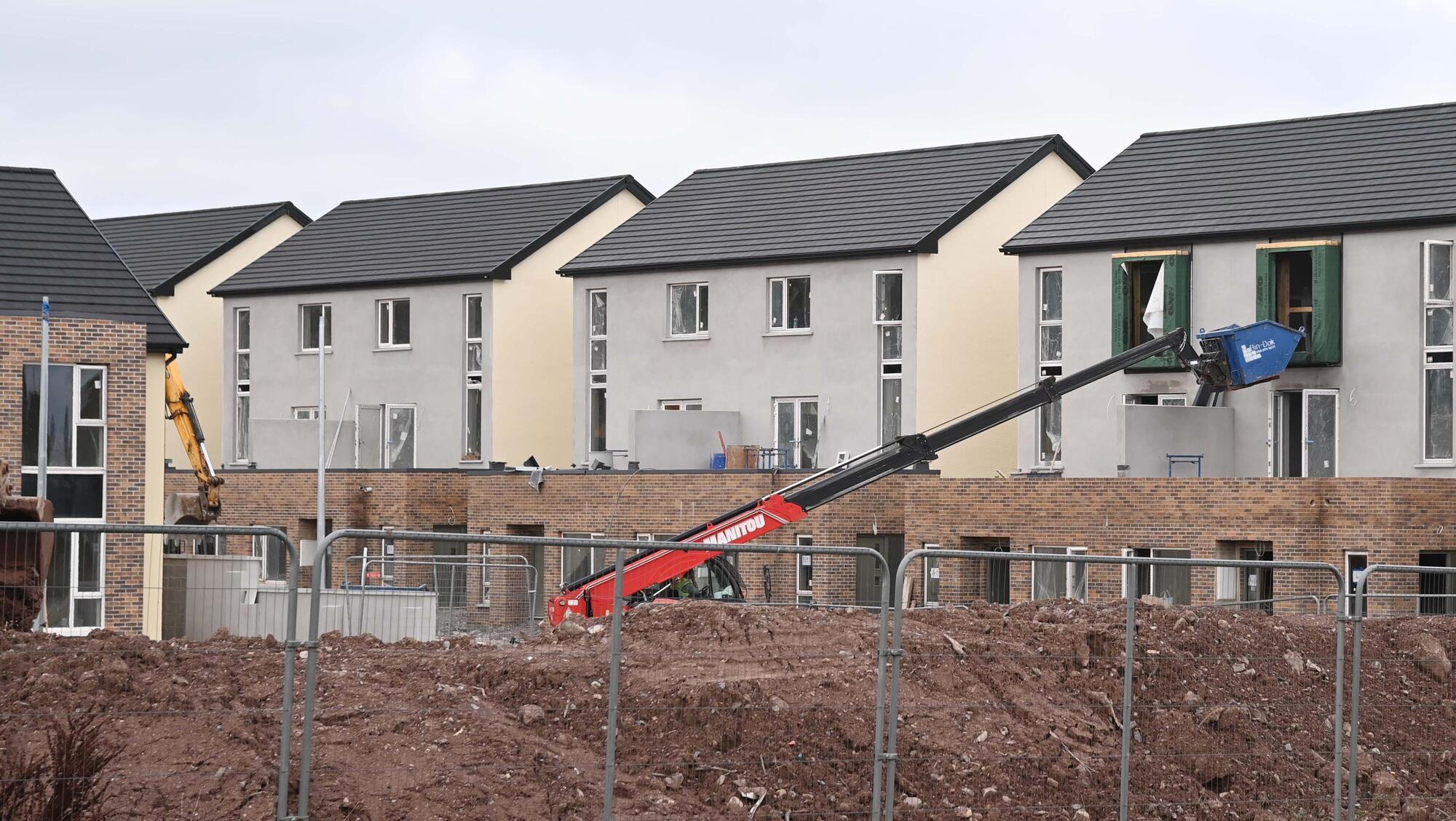
Twelve months ago, the new Planning and Development Bill was hailed as a potential solution to the tangled mess of Irish planning
Irish Examiner view: Bill reflects chaotic Irish planning

A year ago, this Planning and Development Bill sounded like a once-in-a-generation chance to reform one of the most dysfunctional corners of Irish life. It is now beginning to sound like a startlingly accurate reflection of the chaos of Irish planning we have witnessed in recent years. Picture: Denis Minihane


Twelve months ago, the new Planning and Development Bill was hailed as a potential solution to the tangled mess of Irish planning.

Housing supply, planning decisions, regulatory agencies, local authorities, private operators — the number and variety of actors and factors involved in planning underlined the need for robust legislation, and hopes were high for this bill as a result.

This week, however, we learned that the Department of Housing has submitted 388 amendments to the Planning and Development Bill. As noted by Cianan Brennan of this parish, “the 68-page document containing those 388 amendments is in itself more sizeable than the majority of legislative bills brought before the Oireachtas”.

As might be expected, the department claimed that most of the changes are clarifications, but at least one of the proposed amendments favours a substantive change: it would ban planning authorities from refusing permission to developers solely on the basis that an area is already maxed out for housing under local authority development plans, which is stretching the definition of ‘clarification’ to its limits.

The mass of proposed changes has already caused delays — the department missed two deadlines to submit its amendments, which in turn has pushed the debate out to February 13. It was no surprise, then, to read Sinn Féin’s housing spokesperson Eoin Ó Broin say the bill was “not fit for purpose”.

A year ago, this Planning and Development Bill sounded like a once-in-a-generation chance to reform one of the most dysfunctional corners of Irish life. It is now beginning to sound like a startlingly accurate reflection of the chaos of Irish planning we have witnessed in recent years.

Worrying trend of rising prices

Yesterday’s news that VHI is to increase the price of health insurance plans by an average of 7% from March 1 was yet another blow for hard-pressed consumers.

A VHI statement said the increase is necessary to “meet the healthcare needs of members” after claims volumes rose by more than 20% in 2023, but this is the third price rise in a 12-month period.

VHI has partly blamed inflation for the rise, stating it has had a “significant impact on the cost of delivering” healthcare. However, the effects of inflation are not confined to healthcare costs. Many of VHI’s customers are dealing with inflation increasing many of their other bills and expenses, and VHI’s hike in prices means those customers now face an increase in price which may run into hundreds of euro per year.

This is when the cost-of-living crisis becomes particularly acute, as financial commitments that many families regard as non-negotiable rise higher and higher, year on year. The upward trend in insurance costs generally is worrying, but this hike in particular will bite deep for many households when it comes into effect next month.

There is another, wider context to the price increase which must also be considered. Ireland’s population is ageing significantly: Census 2022 revealed that over the next two decades, the share of the population aged 65 and over is expected to rise from one in seven to one in five, while the number of people aged 80 and over is projected to double.

This development has the potential to put pressure on many health-related resources, but there are also implications for insurance schemes such as VHI. More demand for healthcare will mean more pressure on VHI at a point when more and more people are ageing out of the workforce.

In its statement this week, VHI referred to “accelerated growth in healthcare claims volumes stemming mainly from covid-related issues”, but at some point we can expect that growth to slow down. The looming age imbalance in the population may be a greater concern in time.

Best places to live for work-life balance

A new survey has revealed that Castlebar, Ballina, Longford, Wexford, and Arklow are the best towns for work-life balance.

The survey, run by a price-comparison and switching service for energy, telecoms, and personal finances, utilised several metrics to arrive at its conclusions.

Those included access to local amenities such as shops, schools, GP services, and cafés, as well as broadband speed and mobile coverage, while also taking house prices, transport, green spaces, and crime rates into account.

Ostensibly the survey was motivated by the prospect of new legislation which will give employees the right to request remote working, carer’s leave, and other arrangements.

That legislation is expected by the end of the year, and is certainly timely: the number of people who recorded that they worked mainly from home increased by 173% between 2016 and 2022, a spike driven by the pandemic.

Yet one of the main motivations when reading about such surveys has little to do with the opportunities afforded by new employment laws.

While there are interesting contrasts to be found between various urban areas in the survey’s results, surely the main driver is finding where one’s own home place ranks in the league tables?

This understandable impulse is closely followed by a quick search to locate the rating given to neighbouring towns — and if they are ranked higher, then the reaction runs along predictable lines.

Ranking the towns and villages of Ireland in terms of their quality is an exercise that will always find an audience, if only to disagree with those rankings.

More in this section

Revoiced

Newsletter

Sign up to the best reads of the week from irishexaminer.com selected just for you.

Cookie Policy Privacy Policy Brand Safety FAQ Help Contact Us Terms and Conditions

© Examiner Echo Group Limited