Ireland's new savings scheme will be capped to prevent 'uber wealthy' from exploiting it
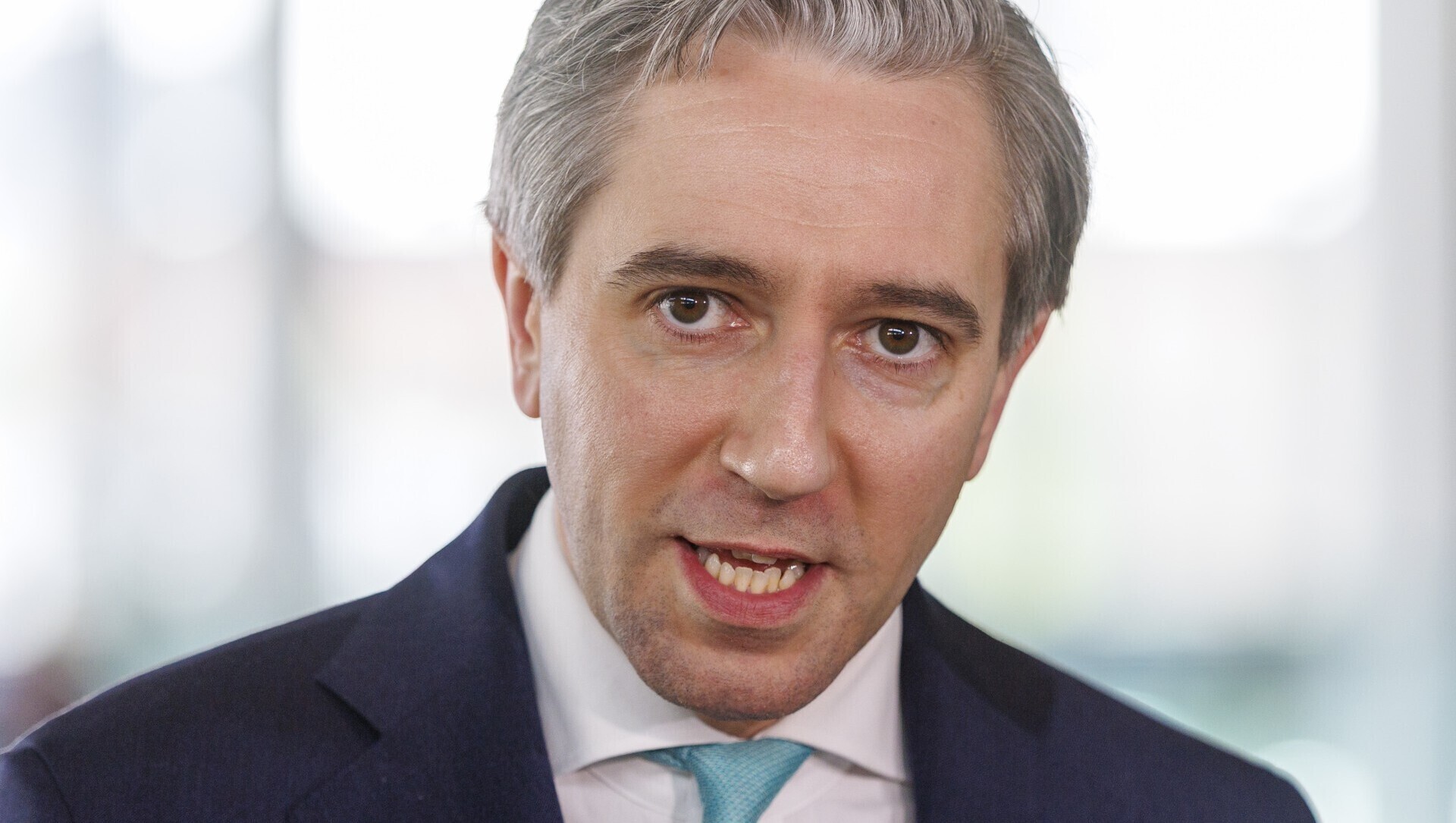
Tánaiste and finance minister Simon Harris rejected criticism of the scheme before it has been published and pushed back at the idea that it will disproportionately assist wealthy people. Picture: Liam McBurney/PA
The Government's new savings and investment scheme will have caps on the maximum amount of money a person can deposit, the Tánaiste has signalled.
Simon Harris has pushed back on suggestions the scheme will disproportionately assist wealthy individuals, as he hinted at capping the amount of money an individual can invest in the scheme.
The Tánaiste said that fairness would be at the "heart" of the Government's plans on a savings and investment scheme.
It comes after economists Enda Hargaden and Barra Roantree criticised the proposals at the Oireachtas finance committee on Wednesday, saying the plan would disproportionately assist high earners.
Read More
They cited the Swedish ISK model, which is what the Government is expected to emulate, saying it would leave the highest earners with the biggest gains.
In response, Tánaiste Simon Harris said they should wait until the plan is published before criticising.
"These are accounts that have been brought into place in many, many countries."
Mr Harris pushed back on suggestions that the plan would disproportionately assist wealthy people.
"It's nothing about the uber wealthy. They can look after themselves. They don't need assistance from the Government. But there's a hell of a lot of people out there who actually do save, even in a cost-of-living challenging time, they're saving."
Mr Harris said that while Irish people were the best savers in Europe, often times their savings "don't get to work for them".
"Their money isn't working hard enough for them because of low-interest deposit accounts," Mr Harris said.
Asked specifically if there would be protections introduced to prevent the wealthiest people from exploiting the scheme, Mr Harris said other countries have introduced caps on the amount of money that can be invested.
He added that the tax-free returns threshold is often set "at a certain level".
"In fact, all of the accounts I've seen devised around the world generally have that built in," Mr Harris said.
"The wealthy have no challenge in investing when it comes to stocks. In Ireland, it's actually the middle classes who need to have this opportunity."
The proposal from Mr Harris would see a flat rate of tax being charged on savings and investments once the balance in the account goes above a certain threshold.
This threshold is expected to be decided in the upcoming budget. This would also be the only tax levied on the account.
- Tadgh McNally, Political Reporter


CONNECT WITH US TODAY



Be the first to know the latest news and updates