Irish Examiner view: More twists and turns left yet in RTÉ saga
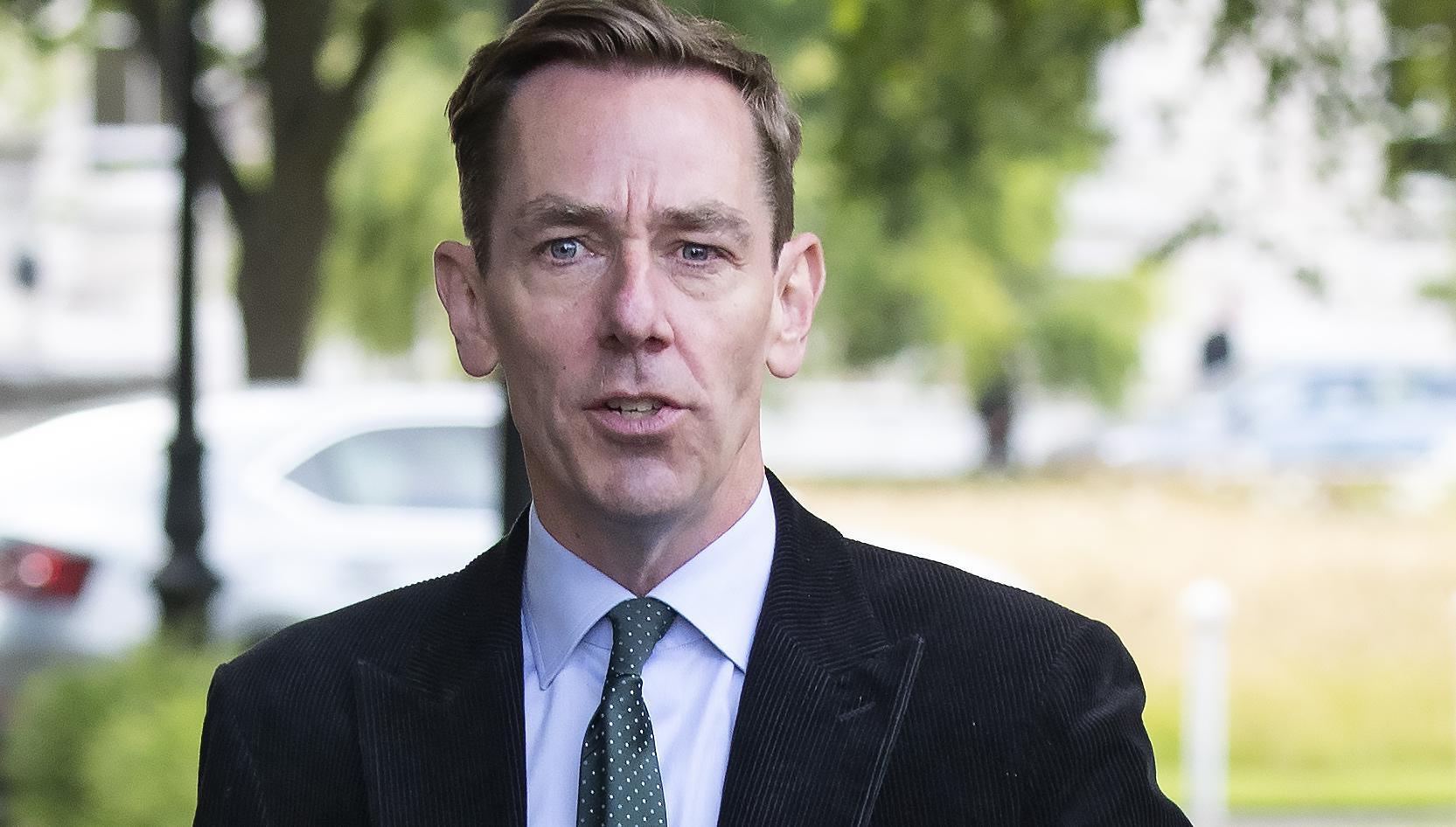
A brief statement yesterday announced the end of negotiations with Ryan Tubridy. Picture: Colin Keegan
Then came the bombshell from RTÉ director general Kevin Bakhurst, whose brief statement yesterday announced the end of negotiations with Mr Tubridy on returning to the air.
Media reports in recent days focused on the likely salary the former host could expect on his return, the kind of detail which usually precedes reinstatement.
Mr Bakhurst duly confirmed in his statement that there was general agreement between the relevant parties on the “fundamentals” of Mr Tubridy’s return.
However, the decision not to proceed further with negotiations, as outlined bluntly in the director general’s statement, brings an end to the possibility of any such return for the foreseeable future.
Close attention will be paid to Mr Bakhurst’s comment that “public statements being made without consultation appear to question the basis for the necessary restatement of fees” — presumably a reference to Mr Tubridy’s statement last Wednesday, when he claimed that the Grant Thornton report showed his actual income from RTÉ in 2020 and 2021 matched what was originally published.
That statement is understood to have rankled with members of RTÉ management and offers some context to Mr Bakhurst’s comment that trust had broken down.
That Mr Tubridy’s comments became such a sticking point is significant, as the natural conclusion to draw from Mr Bakhurst’s statement is that if the presenter had remained silent, he might now be preparing to return to broadcasting.
In that case, could Mr Bakhurst truly claim to be drawing a line between RTÉ’s recent past and present, per his statement?
There may be a twist or two left in this story yet (“who knows what the future holds”, says Mr Bakhurst) but the saga has gone on so long now it risks undermining RTÉ and Mr Bakhurst’s authority and ability to get on with the job at hand.
There will be other takers for Mr Tubridy, who is anxious to return to work and, should he join a rival, then RTÉ’s abrupt conclusion of negotiations might eventually appear hasty.
It remains to be seen, however, whether Mr Tubridy’s exile persuades licence fee refuseniks to pay up. Winning back the public trust is likely to be a far longer negotiation for RTÉ.

Smartphones provide constant distraction to adults and are no aid to concentration, but they are also a necessary part of modern life for many — an obvious example is the contemporary reliance on banking and finance apps to manage one’s money, even if the recent controversy with Bank of Ireland’s online services shows that reliance has potential pitfalls.
However, smartphones can have seriously adverse effects on children, with studies suggesting they can impair children’s learning ability and cognitive development and cause behavioural problems.
Some scientists suggest children’s moods and ability to learn can be affected if they use smartphones during school breaks, while the potential for cyberbullying via social media apps is another issue facilitated by smartphones.
The first point worth making is that this worthwhile initiative has so much to recommend it that it’s strange it has not been mandated by the Department of Education for all primary schools in Ireland.
It’s difficult to see valid counter-arguments to a policy which, if implemented in all schools, would surely be welcomed by parents and teachers alike.
However, should parents have to wait for change to emanate centrally from the department in the first place?
As noted by columnist Jennifer Horgan, the Waterford initiative follows a similar policy driven by parents in Greystones advocating for a smartphone-free school. More parents need to realise their own ability to effect change in our school system — change that will ultimately benefit their own children.
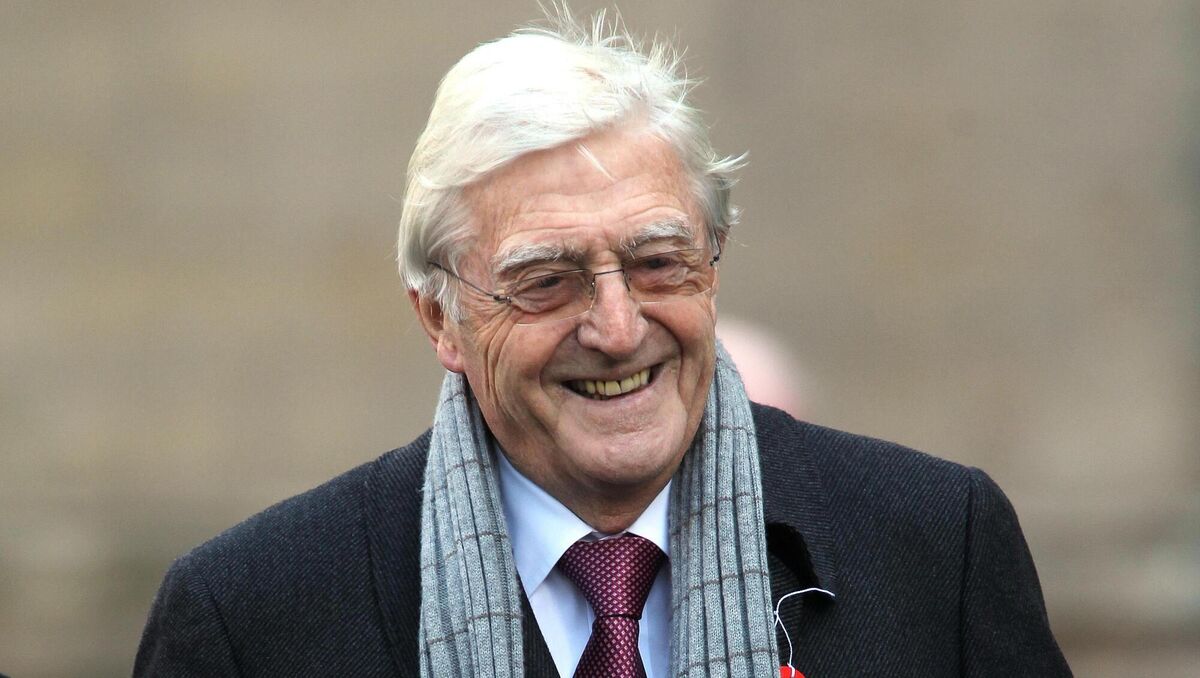
At his peak, Parkinson was one of the big beasts of BBC’s television schedule, hosting a late-night chat show which was appointment viewing for millions.
It was a time of relatively few competing attractions, which meant Parkinson’s show had a reach and status that could create instant fame.
In 1975, for instance, an obscure Scottish comedian popped up as a guest on the show, making a splash with his oversized personality and energetic delivery: Billy Connolly duly became a star overnight.
Not all of the interviews were as successful. A trawl through YouTube revives a toe-curling exchange as a smirking Parkinson questions young actress Helen Mirren about her “figure”. The best that can be said about the interview is that it belongs to the 70s.
Over the course of a lengthy career, Parkinson interviewed stars from Jimmy Cagney to George Best, but many will recall his encounters with Muhammad Ali with particular fondness.
The great boxer’s physical decline is an incidental revelation in the Parkinson interviews, as the witty, lively talker who lights up the early 70s show is eventually replaced by a slow-talking, reduced figure in a 1981 interview.
Still, Parkinson talking to Ali on a grainy TV screen is about as 70s as it gets. Rest in peace.

CONNECT WITH US TODAY



Be the first to know the latest news and updates