Irish Examiner view: Pelé's impact on the 'beautiful game' is unrivalled
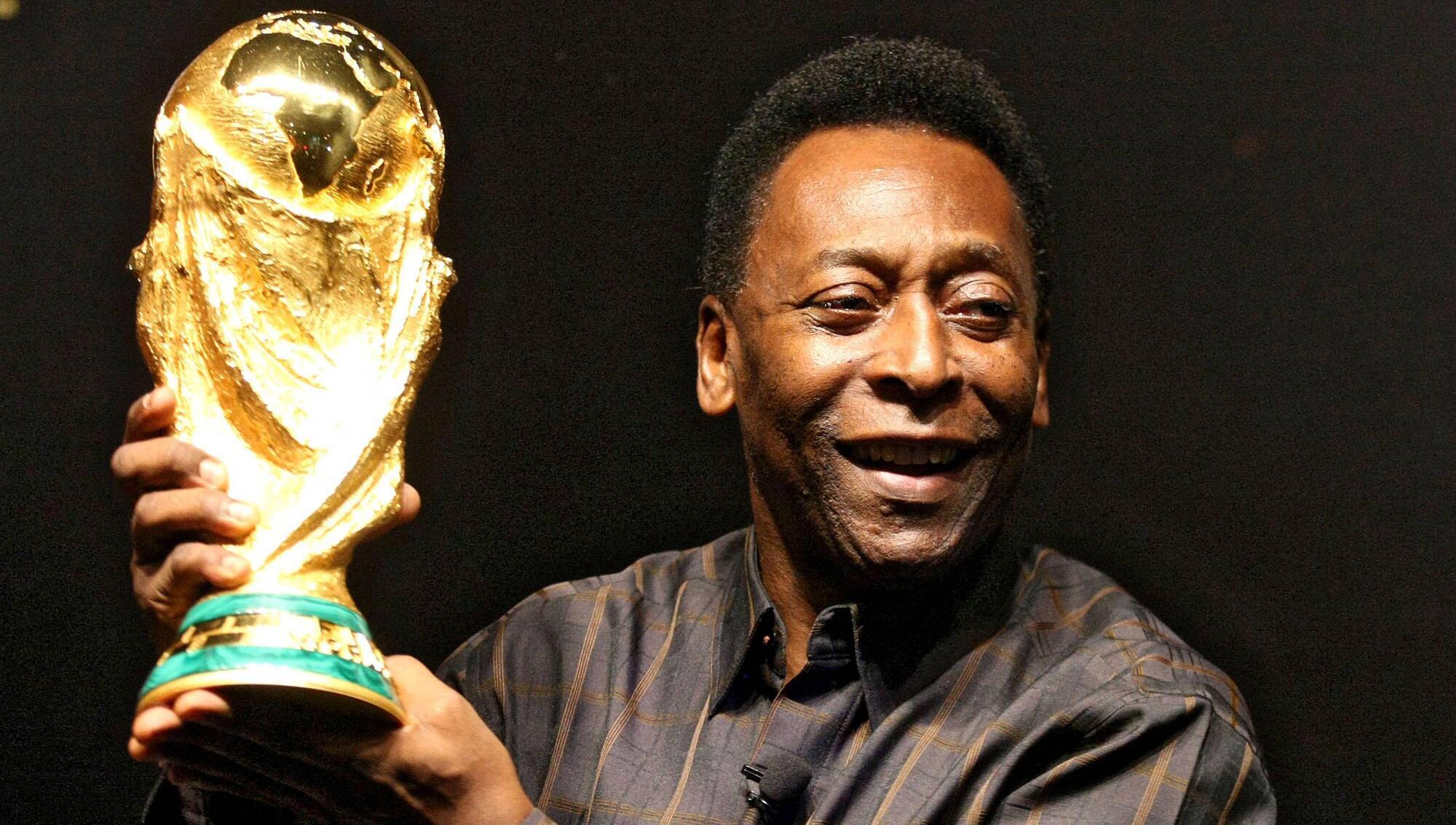
Pelé was soccer's standard-bearer, a player whose grace, athleticism, and samba-like flair brought the game to a global audience. Picture: Gabriel Lopes/AFP
He was its standard-bearer, a player whose grace, athleticism, and samba-like flair brought the game to a global audience. Who will ever forget the iconic images of Brazil’s number 10 leaping and punching the air in goal celebration?
In a sport obsessed with stats, Pelé’s numbers speak for themselves: The only player to win three World Cups; scored a reported 1,281 goals in 1,363 games and 126 goals in 1959 alone; made 14 appearances in World Cup finals, scoring 12 goals; in 1958 the youngest player, at 17, to play in a World Cup.
At a time when there was no internet, no social media, and limited exposure to foreign television, his fame spanned the four corners of the globe. He was instantly recognisable. His fame was such that in 1967 factions of a civil war in Nigeria agreed to a brief ceasefire so he could play an exhibition match in the country.
On a marketing trip to the US, it was the president who was star struck. “My name is Ronald Reagan, I’m the president of the United States of America,” the host said to his visitor. “But you don’t need to introduce yourself because everyone knows who Pelé is.”
When he semi-retired in 1972 after three decades with his club Santos, the European giants tried to lure him. But the Brazilian government stepped in, declaring him a national treasure that could never be sold.
He enjoyed much success too off the field — a politician, a wealthy businessman, and an ambassador for Unesco and the United Nations.
However, he endured a troubled personal life, the low point of which was the arrest of his son Edino on drugs charges.
Born Edson Arantes do Nascimento, in Tres Coracoes in the interior of Minas Gerais state on October 23, 1940, Pelé grew up shining shoes to buy his modest soccer gear. Eighty two years on, his boots have yet to be filled.