Irish Examiner view: Some are more equal than others
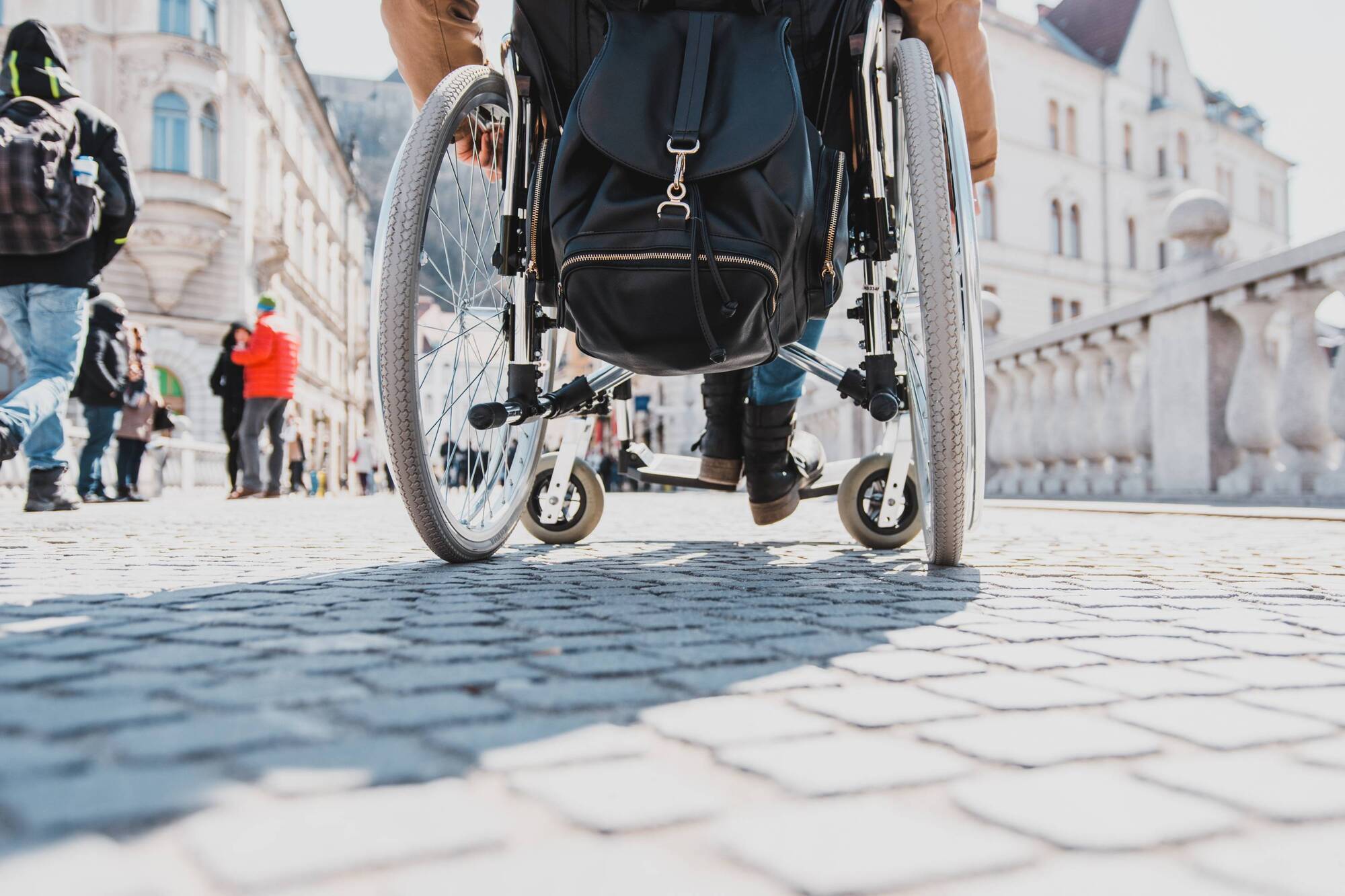
Attempts to end discrimination against disabled people have been sporadic and timid.
“The moral test of government is how that government treats those who are in the dawn of life, the children; those who are in the twilight of life, the elderly; those who are in the shadows of life, the sick, the needy, and the handicapped.”
The words of former US vice president Hubert Humphrey and echoed by others, among them the novelist and Nobel laureate Pearl Buck and US president Harry S Truman, who said a society is judged by how it treats its weakest members.
Ireland, as a nation and as a society, is failing that moral test in a number of ways. A report published yesterday reveals that a lack of supports for disabled young people to progress from second to third level, and from education into employment, is contributing to one of the highest unemployment levels among disabled people in Europe.
The report, from the Economic and Social Research Institute (ESRI), says just 36% of working age disabled people are in employment, compared to two-thirds of those who are not disabled. “Among EU-28 countries, Ireland had the fourth- lowest employment rate among people with disabilities of working age in 2018,” it states.
This comes barely a week after another ESRI report which found that lone parents are more likely to experience poor housing or homelessness than any other group.
Both reports are, as Social Democrats TD Holly Cairns put it, “shocking but sadly not surprising”.
Ms Cairns, a member of the Oireachtas committee on disability matters, argues that “many of the problems documented in this report, experienced by people with disabilities, are not an inevitability”.
Her analysis is correct and to the point. “They are directly related to the ways in which our society, and public services, are designed and operate. Unlike other EU countries, the severity of disability is not strongly associated with working status in Ireland. This suggests that it is external barriers, rather than people’s particular disability, that limits educational and employment prospects.”
In other words, unfairness towards disabled people is systemic. Little wonder that the report reveals that in 2019, the at-risk of poverty rate for people without disabilities of working age was 11% compared to 23% for people with disabilities.
Attempts to end discrimination against disabled people have been sporadic and timid.
Earlier this year, Catherine’s Law was passed by Social Protection Minister Heather Humphreys, which outlined that people would no longer lose their disability allowance for accepting stipends associated with PhD scholarships.
That was a small but important step, yet there are still huge barriers to employment for those with disabilities which marginalise an already vulnerable group with often complex healthcare needs.
The right to work is a core human right under Article 27 of the UN Convention on the Rights for Persons with Disabilities.
It is also enshrined in the Constitution, being recognised as one of the principles of social policy. Article 40 (1) of Bunreacht na hÉireann also states: “All citizens shall, as human persons, be held equal before the law.”
The shame of it is that some are more equal than others.
CONNECT WITH US TODAY



Be the first to know the latest news and updates