Lack of support prevents people with disabilities from entering third-level education
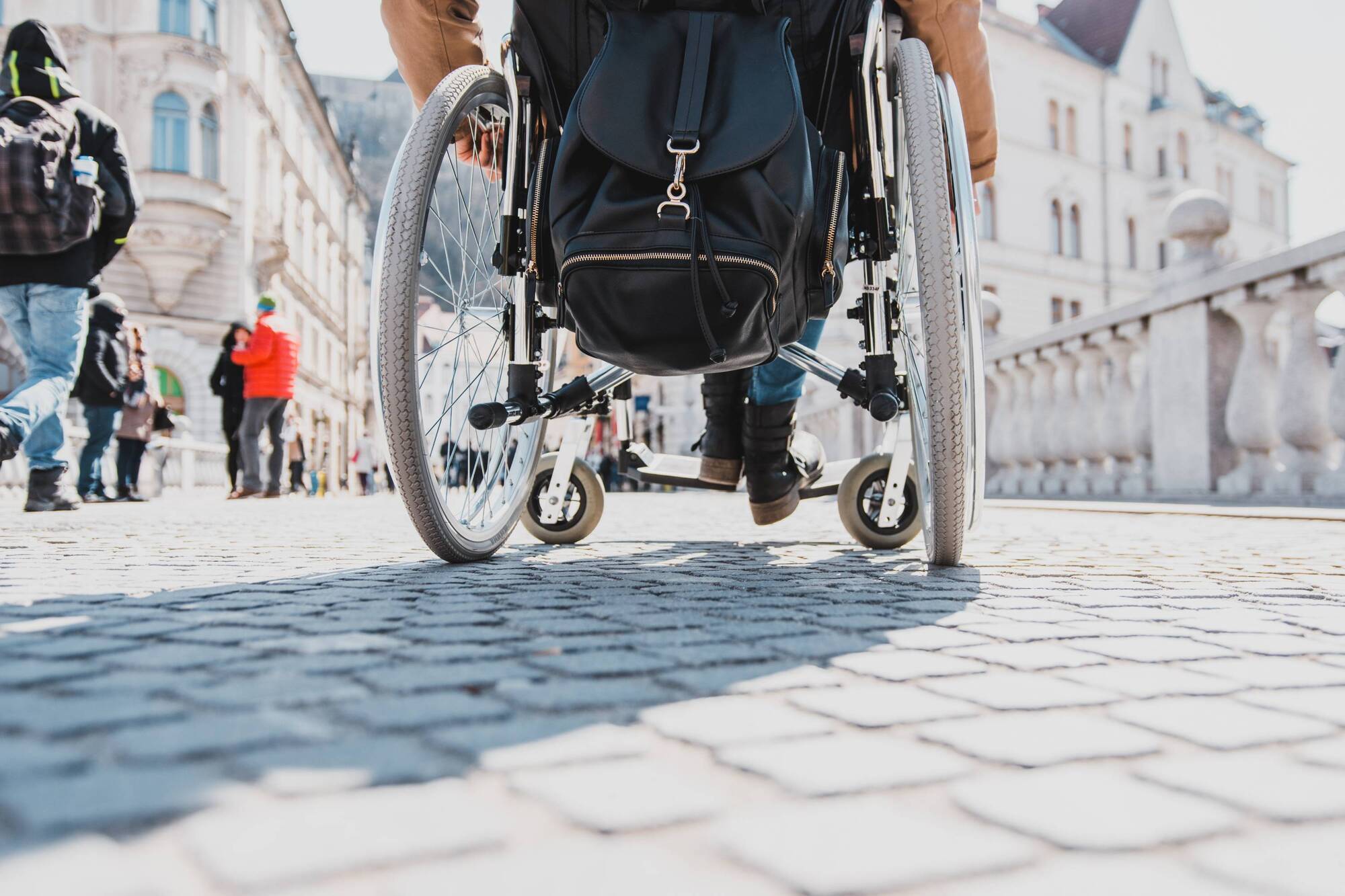
Fewer people with an intellectual disability were working in 2016, alongside similarly low numbers of people with learning difficulties and difficulty with basic physical activities. File photo
A lack of support for people with disabilities is preventing them from moving from second-level to further education, according to a report by the ESRI and National Disability Authority.
As a result, a much smaller proportion of young people with disabilities have third-level qualifications compared to their counterparts with no disabilities. The study also found that people with disabilities are more likely to live in poverty and less likely to be working.
It said the data highlights the gaps in education and labour market outcomes between people with and without disabilities, and also poverty outcomes, and that more research is needed "to gain a better understanding of the experiences of those with disabilities in the labour market".
The report uses data from the European Union Statistics on Income and Living Conditions and the Census, among other sources.
Ireland had the fifth-lowest prevalence of disability across the EU28 in 2018, the second-highest proportion of working-age people with disabilities with at least a post-secondary education (42%), compared to the EU28 average (25%).
Despite this, the report said: "According to the Census, only a third of the working-age people (16-64 years) with disabilities indicated that their main economic status in 2016 was employment. This compares with two-thirds of those without disabilities."
Fewer people with an intellectual disability were working in 2016, alongside similarly low numbers of people with learning difficulties and difficulty with basic physical activities. By contrast, a larger proportion of those that reported having ‘deafness or a serious hearing impairment’ or ‘blindness or a serious vision impairment’ were in employment.
According to the report: "An EU comparison shows that Ireland does not perform well in relation to the working status of people with disabilities, as it has the fourth-lowest employment rates for people with disabilities (36%).Â
"Among working-age people with disabilities it has also a much lower proportion of people working full-time (66% vs 74% for the EU28). It also has one of the largest employment gaps between people with and without disabilities.Â
"Moreover, unlike most European countries, the severity of disability in Ireland is not strongly associated with working status. This suggests that in Ireland the barriers to work could be related to other factors other than the severity of disability."
It said people with disabilities are more than twice as likely to experience poverty and deprivation as those without disabilities.
Elish Kelly, co-author of the report, said: “Considerable progress has been made within the education system over the last decade to support those with disabilities.
"Nevertheless, the analysis undertaken in this study still highlights that a much smaller proportion of young people with disabilities have third-level qualifications compared to their counterparts with no disabilities.Â
"The lack of transition support from second-level to further education and training or employment has been identified as a big issue. Work around improving transition supports is ongoing through the Comprehensive Employment Strategy, but there is room for further qualitative research to explore some barriers more fully."