Funding question may stymie UL’s proposals
Just as unprecedented access to education was one of the foundation stones for the liberal democracies that have shaped the West, enhanced access and ambitious education proposals seem the best responses to the forces that would deepen inequality and restore autocracy.
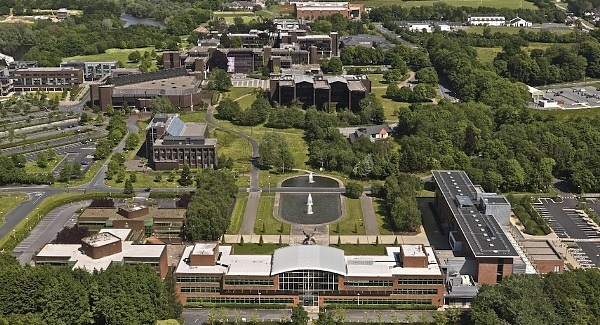
The plans announced by the University of Limerick (UL) yesterday fall into that category. UL president, Des Fitzgerald, said he hopes more than 300 staff jobs will be created as part of an ambitious, five-year investment worth hundreds of millions of euro.
Reflecting our quickly changing world of work, Mr Fitzgerald promised that UL would “develop new curricula, new learning modes, and a cross-disciplinary sharing and exchange approach, with a particular focus on enterprise and entrepreneurship”. If these plans come to fruition, the college’s student population will grow by 4,000, to 20,000, and staff numbers will increase by approximately 330, to 1,930.
These are ambitious plans, but the usual caveat applies — funding. UL hopes to identify funding, especially governmental or philanthropic, but, like all universities, it must hope that government finally finds the courage to decide how third-level institutions are to be funded well into the future.
By continually deferring — dodging is a better word — that hard decision, colleges are undermined, as is the vital role they can play in safeguarding the values that have sustained out world for generations.