Irish Examiner view: Restoring trust in RTÉ
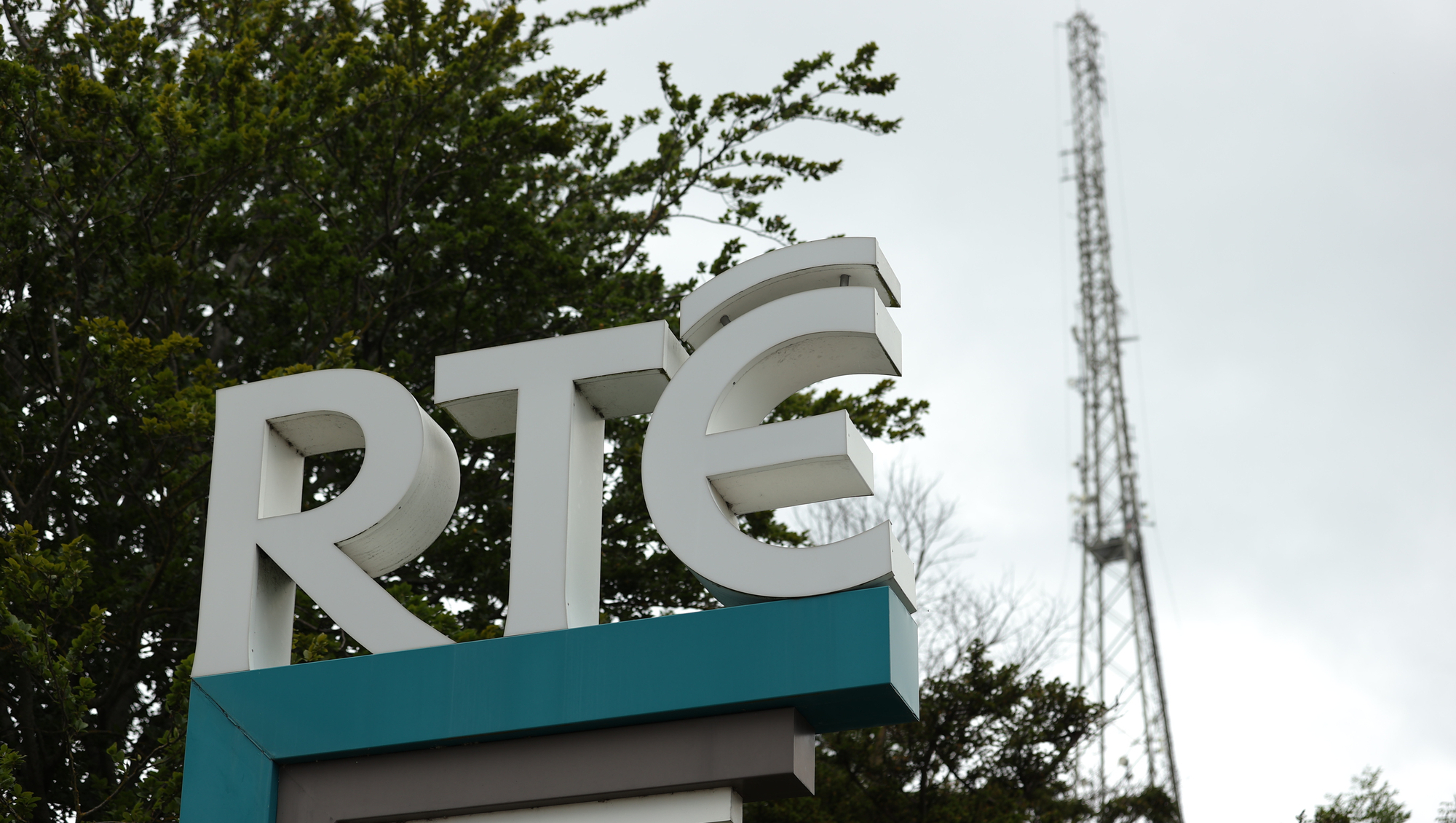
'Employees being asked to accept organisational change, uncertainty, and a smaller workforce will examine how the rules operate for those recruited into prominent positions. Trust cannot flourish where management asks staff to take fairness on faith.' File picture: Liam McBurney/PA
RTÉ cannot rebuild public trust by insisting that the public has misunderstood its explanations.
After the scandals of 2023, the broadcaster promised a different culture: Greater openness, clearer accountability, and an end to arrangements whose workings became apparent only when somebody asked awkward questions. This week’s Oireachtas hearing offered an uncomfortable reminder of how much remains to be done.
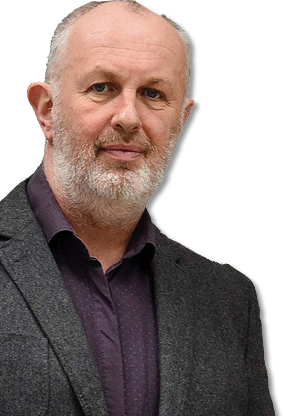
The hiring of Ger Gilroy to present the podcast has become the latest test of those promises. Concerned about the recruitment process, the National Union of Journalists has sought a meeting to discuss it.
The issue is neither Gilroy’s broadcasting ability nor RTÉ’s entitlement to recruit experienced people. A public service broadcaster needs talent and must be able to compete for it. But competition for talent does not relieve management of its obligation to explain how appointments are made and what public money buys.
RTÉ says Gilroy was assessed against the same weighted criteria as other candidates, although he did not submit an expression of interest himself. Its explanation is that the expressions of interest process allowed management to identify additional candidates.

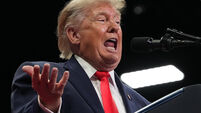
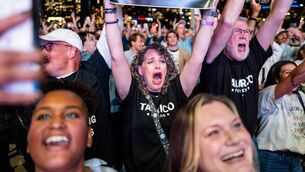
America’s elections arrive wrapped in proclamations of renewal. Every victory promises a turning point; every winning speech announces a new beginning. Sometimes, the better reason for hope is a quieter story within the spectacle.
Adam Hamawy, an Egyptian-American surgeon who volunteered in Gaza, has won election to the House of Representatives from New Jersey. He will become the state’s first Muslim member of Congress. During his humanitarian work in Gaza, he performed more than 100 operations. Here was public service before there was a campaign, a doctor using his skills where they were desperately needed, among people whose suffering Washington had helped enable.
A former US army combat surgeon, Hamawy also helped save the life of Tammy Duckworth, now a senator, after her helicopter was shot down in Iraq. His record gives substance to a word American politics has too often reduced to a lapel badge: Service.
Ireland has never been slow to claim a successful emigrant’s child. In Martin McDonagh’s case, we can surely dispense with the eligibility committee.
Born in London to Irish parents, he has earned his place among our national treasures, although he would probably find something objectionable about the ceremony.
His latest film, , arrives in cinemas with John Malkovich, Sam Rockwell, and Steve Buscemi aboard a dark comedy involving CIA agents and Easter Island.
The geography has changed, but the appetite for mischief remains intact. From to , McDonagh trusts audiences to embrace cruelty, tenderness, and laughter.
His characters rarely deserve our affection, yet somehow earn it. In a culture eager to explain every joke and advertise every virtue, their irreverence is refreshing.
Originality, black humour, and a healthy suspicion of those who take themselves too seriously: What could be more Irish?