The future of policing: Reform plans must deliver real change
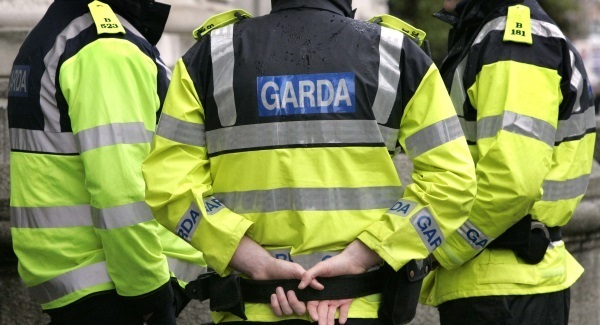
Though it’s almost a quarter of a century since the then Sinn Féin leader Gerry Adams offered his chilling and revealing reassurance to his constituency — “they haven’t gone away, you know” — that reality endures, even if those who would undermine this democracy have moved on from the old Sinn Féin/IRA axis and style themselves differently.

The future of policing: Reform plans must deliver real change

Though it’s almost a quarter of a century since the then Sinn Féin leader Gerry Adams offered his chilling and revealing reassurance to his constituency — “they haven’t gone away, you know” — that reality endures, even if those who would undermine this democracy have moved on from the old Sinn Féin/IRA axis and style themselves differently.

The leopard may have changed its overcoat but its objectives and methodology remain the same — as some of the undercurrents shaping last week’s events in Roscommon suggest.

That festering is exacerbated by the fact that one of Europe’s most powerful criminal cartels is Irish. The death toll in the Kinahan-Hutch conflict is heading towards 20 but some of those victims were not involved in crime and were murdered just because of their family connections and to spread terror.

This struggle with a multi-billion criminal enterprise is one of the greatest challenges facing An Garda Síochána.

The six-year jail term given to Estonian hitman Imre Arakas, who was brought to Ireland to kill a criminal, some weeks ago is another indication of the lengths Ireland’s underworld will go to to dominate their communities.

Those two issues alone are enough to justify the need for a robust security service but there is much more.

Gardaí have expressed concern over plans to extend Russia’s embassy in Dublin. They have linked a disproportionate expansion to the growth of the international tech sector in Ireland. It was argued that a strategic decision has been made to expand Russia’s Irish presence so that country’s representatives might monitor international tech companies with facilities in the Republic.

Not so very long ago, it would have been routine to dismiss this suggestion as a smoke-and-mirrors fantasy but Russian interference in elections and referendums, and its hijacking of social media to influence events to its advantage, show how unwise that view is today.

Brexit and the unfortunately undeniable possibility of the reintroduction of a hard border on this island must influence how the State’s security apparatus is developed too. A new intelligence centre — the Strategic Threat Analysis Centre — was agreed by Cabinet yesterday. That operation will analyse intelligence and assess threats to State security. It will answer to the Department of An Taoiseach.

The proposal is one of more than 150 from the Commission on the Future of Policing and Minister for Justice Charlie Flanagan will ask Government immediately to establish the intelligence body. Other reforms under consideration include one of Garda Commissioner Drew Harris’ core recommendations: The divestment of “non-core” activities.

These include courts’ security, prisoner escorts, immigration functions, and prosecutions. A Policing and Community Safety Bill is to be drafted to replace the Garda Síochána Act of 2005 and this will be the conduit through which most reforms will be delivered.

It is difficult to overstate how important this project is. For too long, our police force has been seen as dishonest and inept. It is in everyone’s interests it is remade and recovers the respect lost through one scandal after another. Failure, or even partial implementation, is not a viable option.

x

More in this section

Revoiced

Newsletter

Sign up to the best reads of the week from irishexaminer.com selected just for you.

Cookie Policy Privacy Policy Brand Safety FAQ Help Contact Us Terms and Conditions

© Examiner Echo Group Limited