Ministers: Do as we say, not as we do
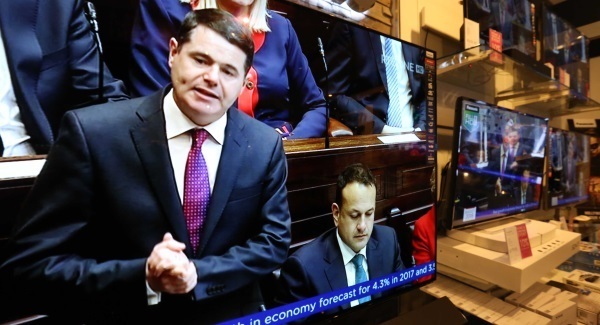
GOVERNMENT ministers never tire of telling us that public spending decisions are about setting priorities, never more so than when an economy is recovering from recession and fiscal prudence demands that the mistakes of the past must not be repeated.
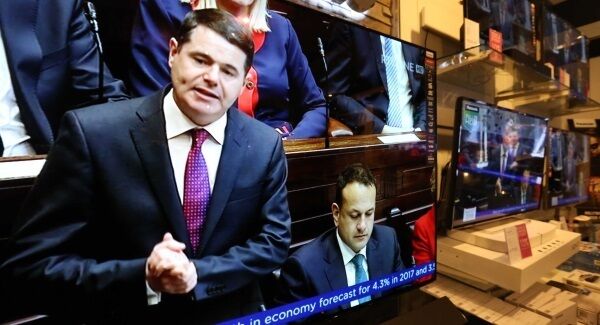
It was only a week or so ago that Finance Minister Paschal Donohoe was alerting the country to the dangers of unsustainable spending growth, and the Taoiseach was heard to say: “If the economy continues to grow at the rate it is growing now, I think we would have to consider not spending all of the resources available to us.” Wise words, but let us look at some of the ways in which the government is spending its money — which is, of course, our money — this week.
First up is the Minister of State for Higher Education, Mary Mitchell O’Connor, who it appears needs to have not one but two press advisers. The going rate on the official civil service pay scales for such posts is a highly competitive €82,000 a year, which turns out to be not competitive enough. Ms O’Connor has persuaded the Department of Public Expenditure to up the salary paid to one of the postholders by €13,000. Nice work if you can get it, and someone certainly has.
While an extra €13,000 isn’t going to break the bank, how will it look to workers who are being told by ministers not to expect a boom in wages? How will it be seen by the estimated 23,000 women who through no fault of their own have lost out in pension payments as a consequence of eligibility rule changes made in 2012?
At the Department of Justice, meanwhile, there is a plan to provide emergency accommodation and services at a cost of €40m for refugees and asylum seekers from the Middle East and being brought here from Lebanon, Greece and Italy. They will be staying in groups, says the Government’s tender document, for five months, after which they will be “provided with housing” on an individual or family basis.
It’s right that Ireland is playing its part in efforts to assist those caught up in the mess that is Syria and alleviate the burden being carried by Mediterranean countries. This is no time for charity-begins-at-home cries. But, clearly, charity is needed at home, too, and it is needed now. Fourteen families who have been staying on an emergency basis at the Gresham Hotel in Dublin are to be shown the door because the hotel needs the beds for tourists and is no longer accepting homeless people. Across the country, close to 9,000 people — adults and children — were homeless in November, the number having increased by more than 30% since the same month in 2016.
That count excludes those staying in squats or with friends, women and children in domestic violence refuges, and people sleeping on the streets.
If, as seems to be the case, hotel accommodation is not be made available at the scale it has been so far, what if anything at all can be done for the homeless families who will find it difficult if not impossible to avoid the conclusion that the priority is being given to housing refugees?
CONNECT WITH US TODAY



Be the first to know the latest news and updates