Deal raises biggest Brexit question of all
THE considerable relief that greeted the 11th-hour deal between the EU and Britain may cause a modest flutter in
distant corners of the EU but it will certainly be cheered in Ireland. It will be cheered, too, by the 16,141,242 Britons who last year voted to stay in the EU.

However, the minority of their 17,410,727 leave-voting compatriots who longed for a hard Brexit will resent being outflanked even if by British prime minister Theresa May’s pragmatic acceptance of what is and what is not possible. The reaction of the Tory press was predictable — one die-hard paper suggested the deal was a “Declaration of Dependence”.
The take-back-control zealots will undoubtedly pour scorn on the no-border settlement but it now seems possible to think, or at least to begin to think, that the Brextremists are running out of steam and that Britain and Ireland have been saved from their wildest red-white-and-blue fantasies.
At the moment success is realised, it is easy to give too much weight to one decisive factor or another but Ireland’s politicians and diplomats, with the support of their EU colleagues, have realised something that the Leave campaign could not, that moderate Brexiteers — if that is not an oxymoron — could not and that a vulnerable, besieged Prime Minister could not.
Time may revise this judgment but this morning it is possible to believe that Ireland has secured a deal that limits Brexit’s potential to cause economic, political and social havoc on this island — and on these islands.
It is also possible to argue that the deal has holed the Brexit gameplan below the waterline and saved our friends and neighbours from the absolute lunacy of a hard Brexit.
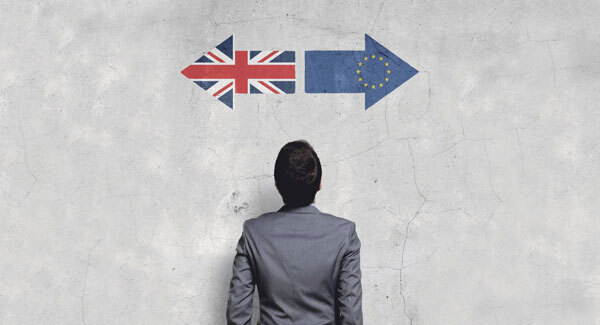
By holding their nerve, by refusing to be bullied, Ireland’s negotiators have made a soft outcome far more likely than it seemed at last Monday’s low point. It now appears, after something pretty close to a deathbed conversion, that the entire UK will mirror the rules of the Customs Union and the Single Market after it quits the EU. This raises, in a real way, the biggest question of all — will Brexit actually happen? If Britain’s relationship with the Customs Union and the Single Market barely changes, it’s reasonable to ask why this utterly divisive project was undertaken in the first place?
The May/Junkers deal is not the only development that pushes that huge question into the spotlight. The performance of Brexit secretary David Davis at the House of Commons Brexit select committee this week must raise doubts for even his most gung-ho of fellow travellers.
He was forced to admit that his government has not undertaken any impact assessments for the implications of Brexit on the British economy. Despite having previously indicated that work had been done, Mr Davis accepted there is “no such systematic impact assessment”. This level of ineptitude and indifference must be deeply unnerving for those who supported his cause.

Taoiseach Leo Varadkar yesterday hailed a “significant day” and said a deal had a “politically bullet-proof” agreement to avert a hard border. That is to be celebrated but celebrations must be brief — we must rebuild strained relationships so the best possible final deal might be achieved.