National Drug Strategy- Government argument defies logic
By any assessment, the criticism coming from those at the cliff face of this crisis is a damning indictment of the Coalition’s abysmal funding of the war against drugs.
Pulling no punches, Tony Geoghegan, director of Merchants Quay drug project in Dublin has condemned the Government’s approach to the crisis.
A man who knows what he’s talking about, Mr Geoghegan reports that 600 new drug users reported to the centre last year.
In an unflinching report, he states that the Government’s commitment to devote more resources to combat drug addiction remains unfulfilled.
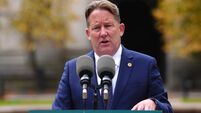
In logic worthy of the skewed world of Alice in Wonderland, Mr Ahern argues that the fact that more people were turning up at Merchants Quay is proof the Government is putting resources into tackling the drugs problem.
A more logical explanation for the increase would suggest the drugs problem is getting worse.
It is debatable whether the findings of the centre will set off alarm bells and galvanise Mr Ahern’s department into action.
There is no shortage of reports on the scale of the problem. A recent study found, for instance, a marked increase in the use of cocaine. This illustrates the urgent need for greater resources to be committed to combating growing addiction levels.
An equally worrying report published by the UN last year showed that young Irish people are the biggest users of amphetamines and ecstasy in Europe, and the fourth highest in the world. After Australia, Ireland has the second-biggest abuse of ecstasy on the planet.
Seemingly, young addicts fail to realise that using illegal drugs is like playing Russian Roulette, a game of life and death where any dose could be fatal.
It is patently clear from the investigative report on the drugs scene that the Government has also failed to honour its pledge to appoint full-time coordinators at ten regional drug task forces.
More than three years after they were set up, the units are still being run by part-time coordinators, many of whom also have other full-time jobs in health boards.
The breach of promise means a permanent system has yet to be put in place.
This part-time approach to a full-time problem speaks volumes of the Government’s failure to grasp the gravity of the country’s drugs crisis.
The political platitudes uttered by Mr Ahern, the Taoiseach’s brother, make a mockery of the lack of resources at national level.
While the regional strategy is a key plank of Ireland’s assault on the drug problem, it has yet to be delivered. Typifying the Coalition’s approach to such chronic problems, short-term measures inevitably become long-term solutions.
The Government is now saying it will appoint permanent coordinators to regional task forces in the New Year. But until the contracts have been signed, sealed and delivered it would be tempting fate to place much credence in promises which, on the face of it, are more about politics than policy.
Meanwhile, as the mid-term review of the Government’s seven-year drugs strategy approaches, there is an overwhelming case for alcohol abuse to be included in the Government’s National Drug Strategy.
The harsh reality is while hard drugs continue to pose major problems in Dublin, alcohol is by far the biggest addiction problem in the country.

CONNECT WITH US TODAY



Be the first to know the latest news and updates