Irish aid agency calls for end to 'desperate' situation in Sudan
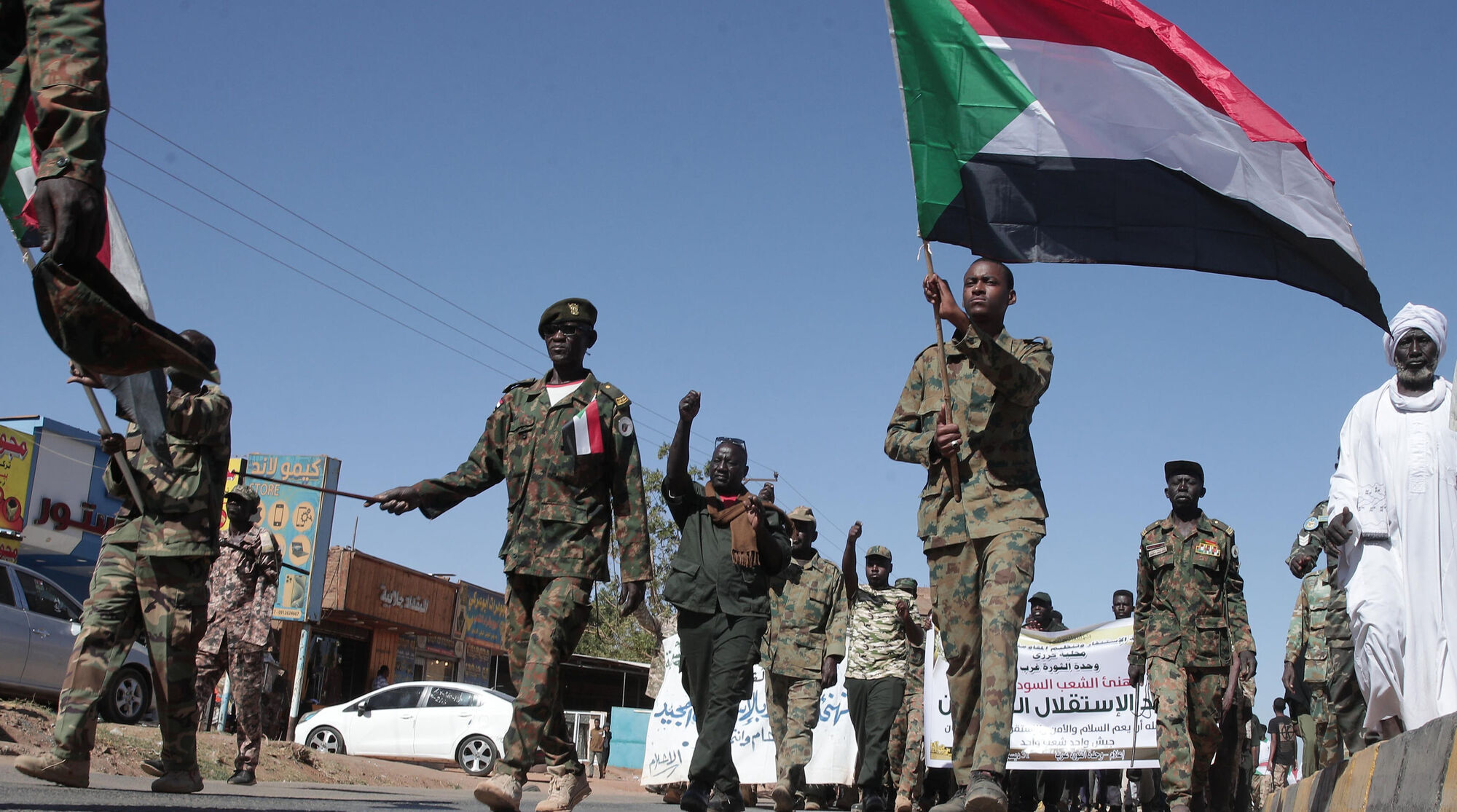
The conflict broke out in April 2024 when a power struggle erupted between the army and a paramilitary group, the Rapid Support Force.
Aid agencies in Ireland and the World Health Organisation have called for an end to fighting in Sudan, now reaching its 1000th day, saying 21m people “desperately need food” there.
Just this week another eight children were reported killed while millions are “at risk of rape and other forms of sexual violence” used as weapons of war, Unicef Ireland warned.
The conflict broke out in April 2024 when a power struggle erupted between the army and a paramilitary group, the Rapid Support Force.
“Nearly three years of continuous violence, severe access constraints, and reduced funding have turned Sudan into the worst humanitarian crisis globally,” the WHO warned.
The fighting has included “deadly attacks” it said on hospitals and clinics as well as leaving the remaining doctors without essential medical supplies.
It has verified 201 attacks on health care, resulting in 1858 deaths and 490 injuries.
Over one third of health facilities are non-functional leaving millions of people without help, it said despite aid agency efforts.
These attacks, it said: “violate international humanitarian law, undermine access to lifesaving care and put health care workers, patients and caregivers at grave risk.”
WHO Representative in Sudan, Dr Shible Sahbani warned: “One thousand days of conflict in Sudan have driven the health system to the brink of collapse.
“Under the strain of disease, hunger and a lack of access to basic services, people face a devastating situation.”
He said the WHO is doing what it can to rebuild the system. However, some 13.6m people are estimated to be displaced, making this the largest displacement crisis in the world.
It supporting efforts to combat cholera, dengue, malaria, and measles, with cholera reported from all 18 states, dengue from 14 states, and malaria from 16 states.
The WHO is working with Sudan’s Federal and State Ministries of Health and partners to improve access to critical health services.
Despite the conditions, about 24m people have had cholera vaccination and a programme to deliver malaria vaccination is being scaled up.
The WHO called on all parties to the conflict, saying they must “urgently work towards a ceasefire and peace for the people of Sudan”.
Unicef also highlighted that other immediate dangers facing children.
Regional Director for the Middle East and North Africa Edouard Beigbeder said: “millions of children in Sudan are at risk of rape and other forms of sexual violence, which is being used as a tactic of war, with children as young as one reported among survivors.”
He also warned about 5,000 children are estimated to be displaced from home every day.
“In North Darfur, the epicentre of Sudan’s malnutrition emergency, nearly 85,000 children with severe acute malnutrition were treated between January and November 2025, equivalent to one child every six minutes,” he said.
In December minister of state for international development Neale Richmond announced funding of €21.5m to the UN to support rapid response to humanitarian crises globally.
In addition last week he allocated €100m to ten Irish charities who work internationally including in Sudan and neighbouring South Sudan.
This included Concern Worldwide, GOAL, Trocaire and Christian Aid Ireland.
He said: “at a time when funding for development and humanitarian work is decreasing globally, I am proud that the Government, through Irish Aid, is recommitting its support to the vital work carried out by our NGO partners.”

BLACK FRIDAY
Already a subscriber? Sign in

CONNECT WITH US TODAY



Be the first to know the latest news and updates