The Mental Health Commission needs to ask tougher questions
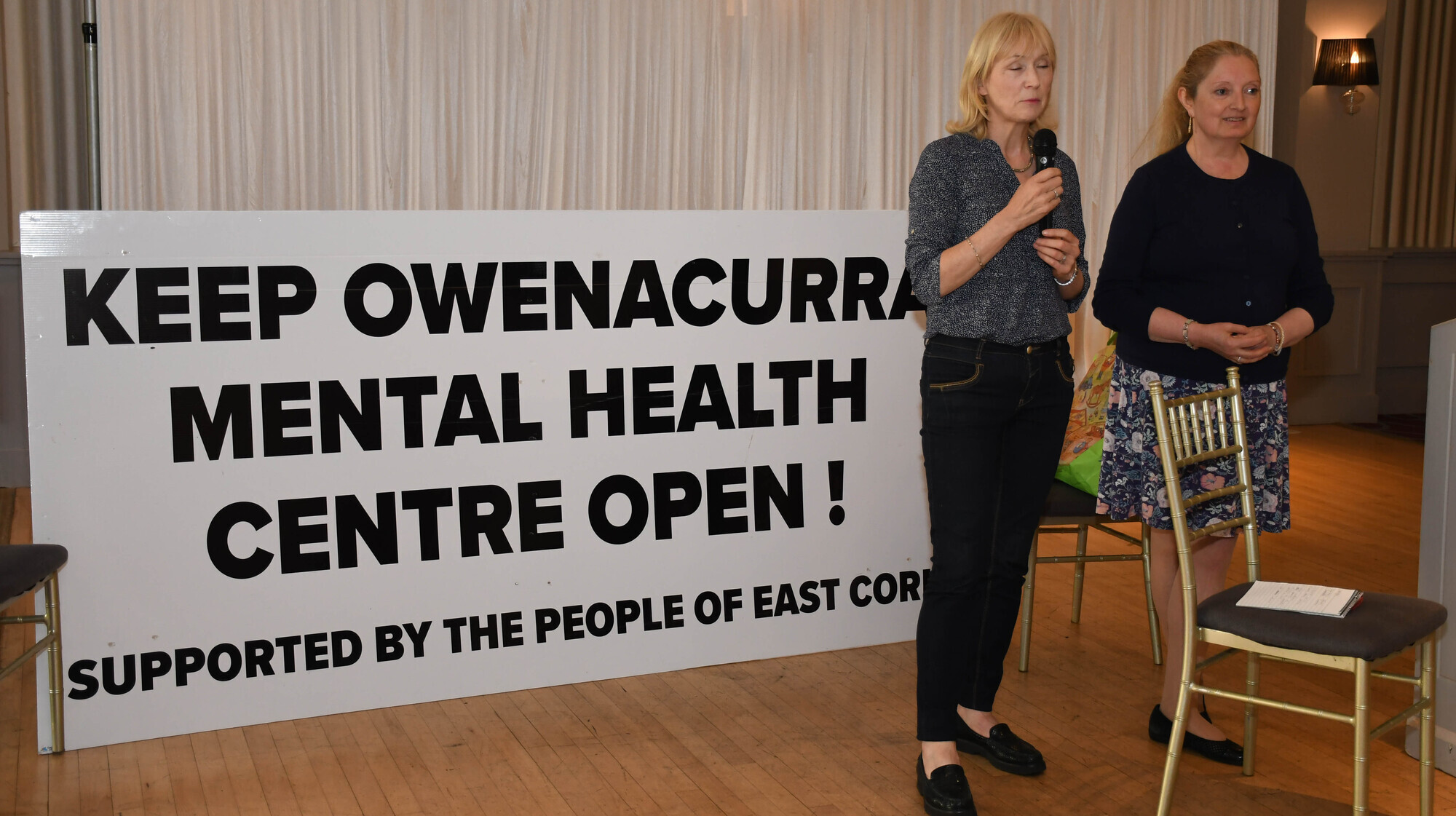
Friends of Owenacurra members Mary Hurley and Dr Maureen O'Sullivan at a public meeting in 2022 discussing the closure of the Owenacurra Mental Health Centre. File picture: Howard Crowdy
The Mental Health Commission was established in 2002 as Ireland’s independent mental health regulator, protecting patients’ rights, inspecting services and enforcing care standards.
Its independence should make it a persistent and uncomfortable voice for people whom the Government has failed. Last week, minister Mary Butler launched the MHC’s standards for community mental health residences.
The standards rightly emphasise dignity, rights and recovery. But there is a glaring contradiction between the Government’s stated commitment to improving standards of mental health care and its continued enforcement of recruitment restrictions that undermine services across the country.
Talk to any clinician or discipline manager in HSE mental health services today and they will describe the damage these restrictions are doing: vacant posts they cannot fill, long delays in treatment and staff morale on the floor. Yet it is remarkably rare to hear the MHC direct its criticism at the Government decisions responsible.
Having worked for years as a psychologist, I know the fear the MHC can put into staff when inspectors arrive. Staff must demonstrate compliance in overstretched services, often while covering vacancies and managing serious clinical risks, including suicide.
Read More
Take the MHC’s 2025 inspection report on University Hospital Limerick’s acute mental health unit. Inspectors recorded nursing, occupational therapy, psychology and social work vacancies affecting care.
They identified HSE recruitment restrictions and management delays in approving exemptions as barriers to filling posts. Findings such as these warrant questions of the Government, not just scrutiny of the hospital.
The HSE must answer for unsafe care and poor management. The minister must answer for funding decisions that tie the hands of those same managers.
The MHC should be a constructive thorn in the side of Government, challenging its failures while working with it to improve services.
The MHC has secured new regulatory powers over community services, including Camhs. That expansion is welcome, but its responsibility to challenge Government policy must be as visible as its enthusiasm for additional regulatory powers.
A parliamentary question of mine on staffing in older adult mental health services was initially not answered by the HSE, on the incredible pretext that the agency could not establish how many staff its own management had funded for these services.
Against the requirements of the HSE’s 2019 Model of Care for older persons, the figures eventually provided showed psychology provision at just 35% of recommended levels, occupational therapy at 44% and social work at 52%.
It should not fall to TDs to act as detectives just to establish whether services have enough staff to function effectively. The MHC needs to regularly publish staffing levels against recommended requirements and challenge the Government decisions responsible for these shortfalls.
Former MHC Inspector Dr Susan Finnerty’s 2019 Rehabilitation and Recovery report exposed the neglect of people with enduring mental health difficulties, describing people as “trapped” in inpatient wards because specialist community services were lacking.
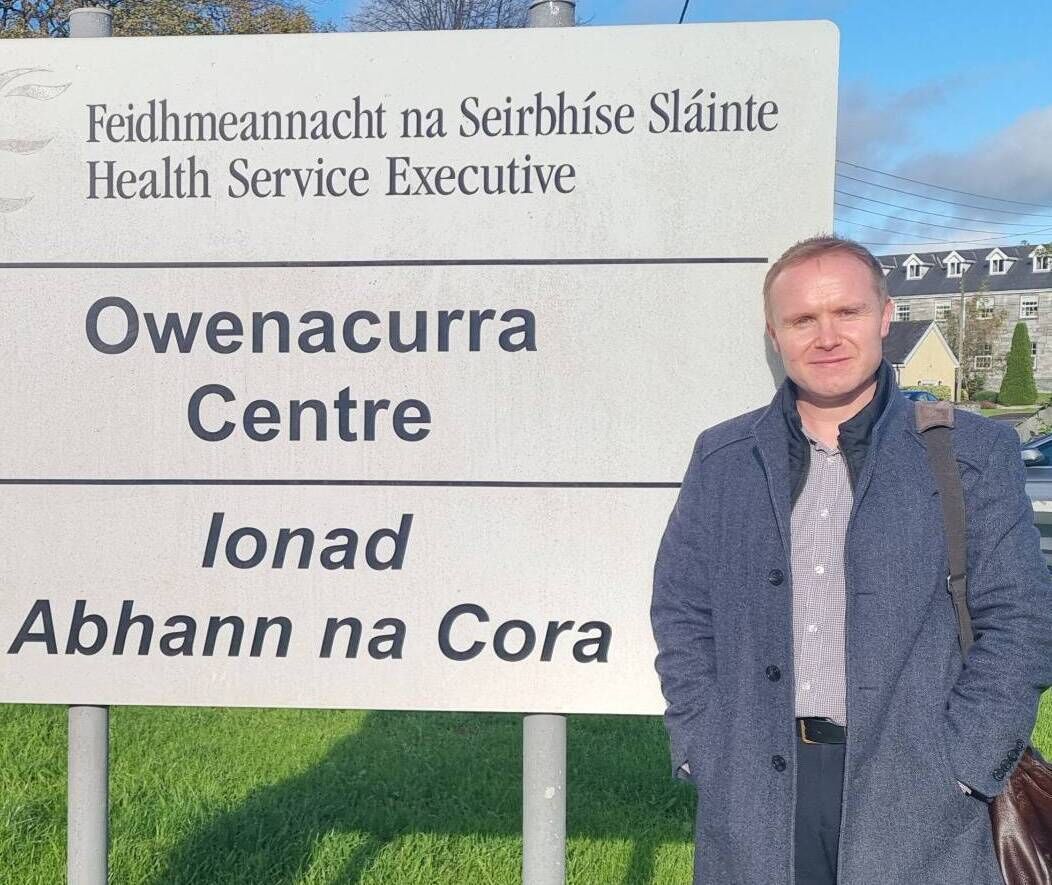
That hard-hitting analysis stood in stark contrast to the MHC’s conduct during the controversial closure of the Owenacurra Centre in Midleton.
The HSE cited the MHC’s findings about the premises to justify closing the service and uprooting residents. Minister Mary Butler strongly supported the closure, also invoking the regulator’s findings in its defence.
Yet the HSE moved some residents from single bedrooms in a town-centre service to isolated, dorm-style wards, including facilities with appalling inspection compliance ratings compared with Owenacurra’s high ratings.
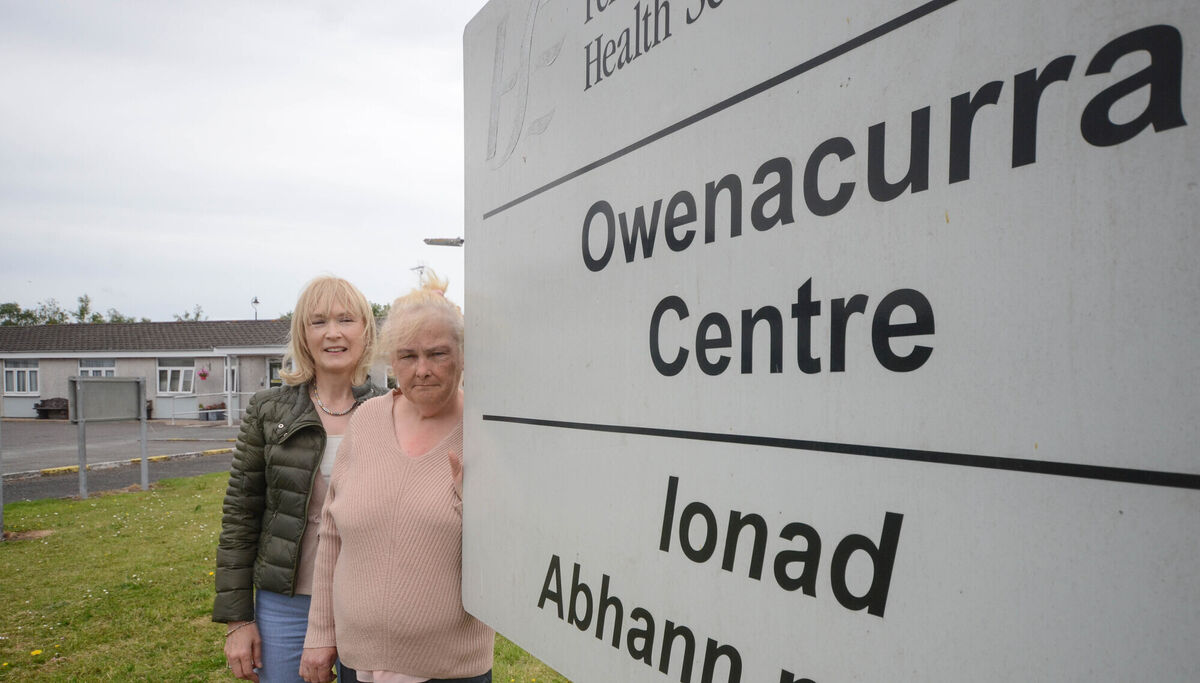
More would have suffered the same fate, losing privacy, quality of life and community connections, were it not for the intervention of their families. The loss of Owenacurra’s respite service has also left some service-users caught in a revolving door of acute inpatient admissions.
Despite months of public controversy and appeals from families, the MHC never challenged the HSE over plans to move residents into more institutional facilities while using the regulator’s own standards to justify the closure.
When questioned at the Disability Matters Committee in 2022, the MHC gave answers that were evasive and at times excessively defensive.
Neasa Hourigan TD pressed its leadership about its refusal to answer questions on potential enforcement action against the HSE. Its exasperated CEO, John Farrelly, responded: “This is not a court of law. Where do you think you are?”
When asked whether the MHC would challenge the HSE’s use of its inspection reports to justify closing Owenacurra, Farrelly replied: “I’d have to think about that one.” The MHC said it lacked the power to prevent the HSE closing a service.
That did not answer why it failed to directly challenge the HSE’s rationale or defend residents’ right to community living as their homes and support networks were being dismantled.
The MHC’s forceful 2023 Camhs review exposed serious failures in care, funding and recruitment, while strengthening its case for expanded regulatory powers. It needs to consistently show the same determination in challenging Government decisions on staffing and funding as it did when seeking those powers.
Service-users and staff need a regulator willing to challenge Government, not just the services it inspects.
- Liam Quaide is a Social Democrats TD for Cork East and the party’s spokesperson on mental health

CONNECT WITH US TODAY



Be the first to know the latest news and updates