Residential care services will have to declare where CCTV is being used and why
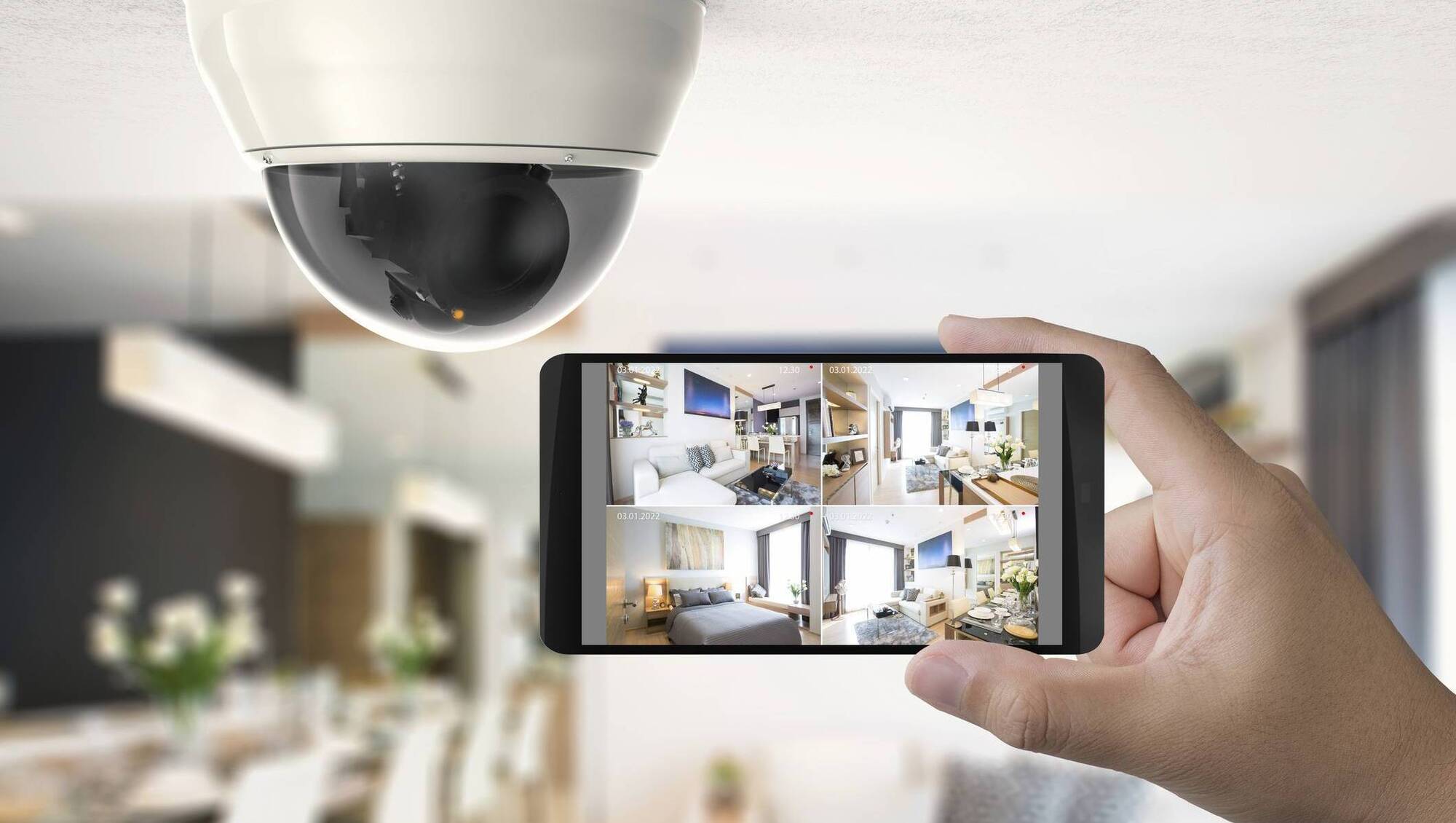
The wide range of technology covered in the new guidance includes smart security cameras, wearable tech, and connected medical devices to monitor vital signs. Picture: iStock
A new code is coming into effect next year which will see all residential care services having to declare exactly where CCTV is being used in which bedrooms and bathrooms and why.
All approved services that offer residential-based settings will also be expected to undertake a digital monitoring technology impact assessment before introducing any additional monitoring technology.
All technologies already in use will also have to be reviewed, according to the new Mental Health Commission (MHC) code of conduct and Data Protection Commission (DPC) guidance.
Assessments will consider the reason for the use and impact of the tech used, human rights implications, privacy concerns and safety considerations.
Read More
The technology covered includes wearable tech and connected medical devices to monitor vital signs like heart rate or blood pressure and smart security cameras with machine learning to track people or flag unusual activity automatically.
The MHC and the DPC have jointly launched the code of practice and guidance to help ensure digital monitoring technologies are “used appropriately in care settings, while protecting the privacy, dignity and rights of people receiving care and treatment”.
The ‘Code of practice on the use of digital monitoring technologies’ has been developed after extensive consultation with people and families of people with experience of mental health services.
It establishes a comprehensive regulatory framework governing the use of digital monitoring technologies in approved mental health centres.
It sets out standards, controls and safeguards for monitoring tech used to observe or monitor patients as part of their care and treatment.
It has also been developed in response to “rapid technological advances and increasing digitalisation within healthcare”, including the emergence of artificial intelligence-enabled technologies.
The MHC code will come into effect on January 1, 2027, after which compliance will be assessed by the Inspector of Mental Health Services as part of the inspection process in approved centres.
An MHC spokesperson said: “The code places a strong emphasis on human rights-based, trauma-informed and person-centred approaches, requiring mental health services to carefully balance safety and care considerations with a person’s rights to privacy, dignity, bodily integrity and autonomy.
“In parallel, the DPC has published new guidance on the use of CCTV in residential care settings, setting out the important data protection considerations that organisations must take into account when using CCTV in environments where people live and receive care or support.”
The new DPC guidance is intended for organisations operating residential care settings where people live and receive care or support.
These organisations include, for example, mental health residential services, nursing homes, residential centres for people with disabilities, and special care units.
In such environments, CCTV may be deployed in response to concerns relating to safety, protection, wellbeing, safeguarding, or the investigation of specific incidents.
However, CCTV can be an intrusive form of data processing, particularly in environments that function as a person’s home, place of care, learning environment, or place of work.
MHC chief executive John Farrelly said: “This collaborative approach to the launch of this code and guidance highlights the importance of the shared vision and priorities of both organisations to ensure the rights of persons receiving care and treatment in care settings are protected.”

CONNECT WITH US TODAY



Be the first to know the latest news and updates