'You wake up with it, you go to sleep with it': Drug-related violence plagues Waterford families

Tributes laid outside the home of Philip and Kim English who died in an arson attack alongside their sons Callum and Jayden in Waterford. File picture: Micheal O Scannail/Press Association
By the numbers, Waterford isn’t a statistical anomaly.
In 2025, there were 33 reports of drug-related intimidation across Waterford, according to service users from the Drug Related Intimidation and Violence Engagement (Drive) agency. Waterford makes up just 3.2% of the national share.
All it took was the sight of four coffins, two hauntingly small, to upend society’s perception of drug-related intimidation in Ireland.
Kim and Philip English and their sons, 12-year-old Callum and nine-year-old Jayden, died in a fire last month at their home on Birchwood estate, the result of an arson attack that shocked the nation. In further heartbreak, six-year-old Elliot English died at Children’s Health Ireland in Crumlin on Friday. A 14-year-old girl remains in hospital.
For victims of drug-related intimidation in Waterford, the events of Tuesday, October 13, were a harrowing reminder it could’ve been them.
Victims describe their own intimidation stories as cloaked in the shadows, a shame they never wanted to expose to the outside world.
Read More
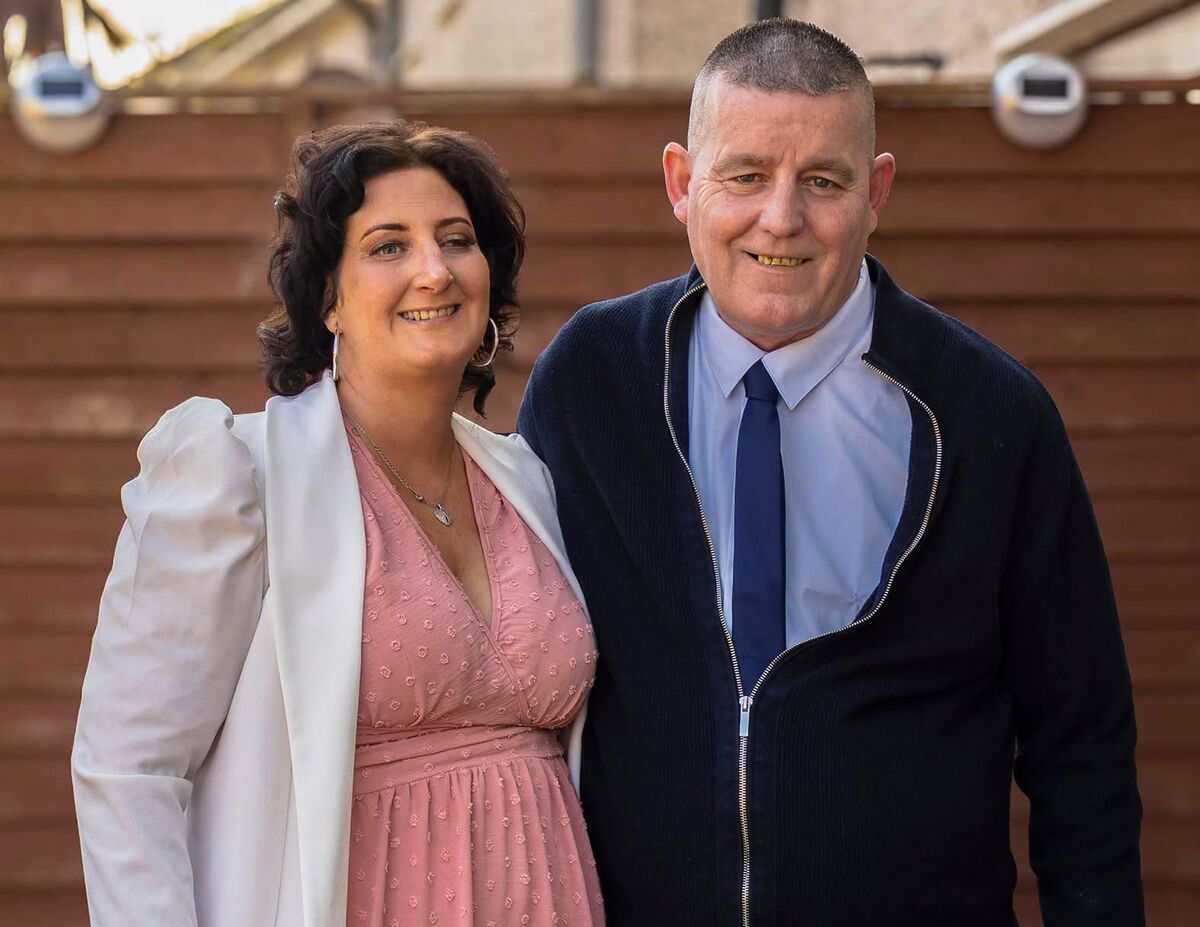
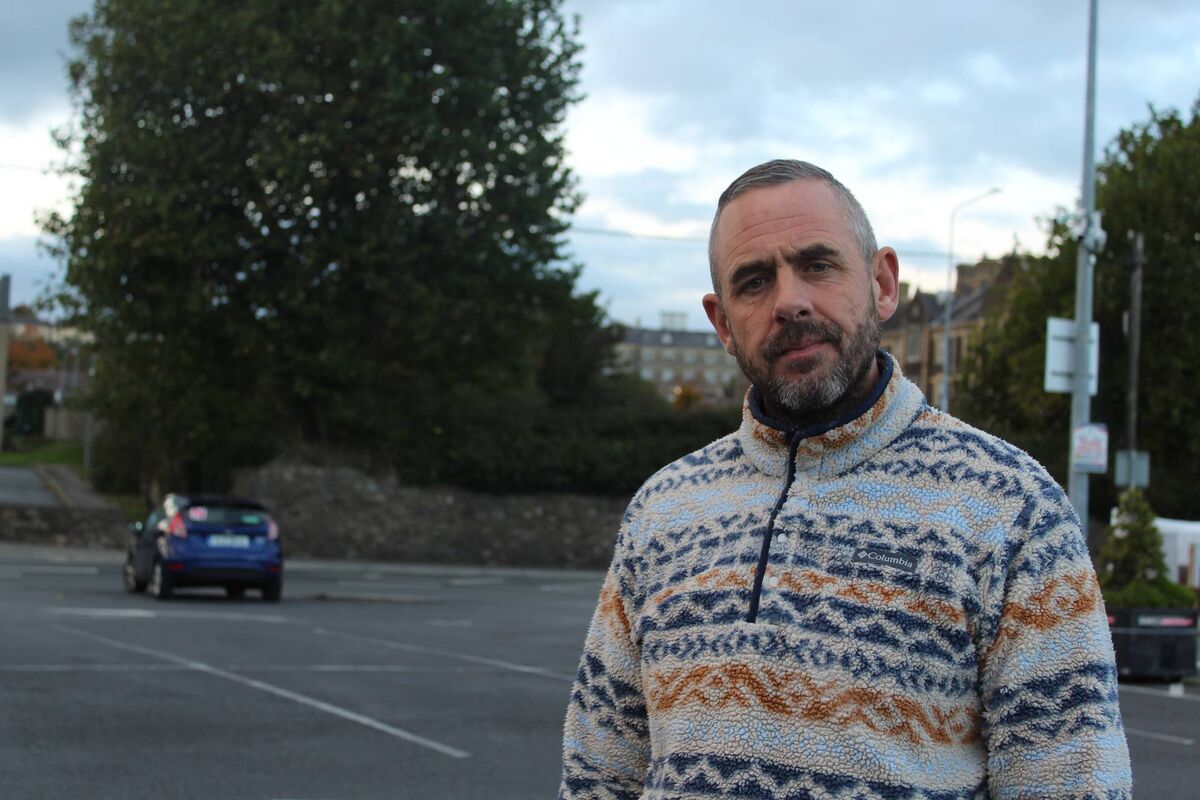
“[My family] didn’t get the support that they needed. They could have been moved out of the city and given extra care.”
At the back of a small estate of terraced homes in Larchville and Lisduggan in Waterford, half a dozen men stand in a laneway exchanging tools in the crisp autumnal air.
They’re hammering a wooden beam overhead, hoping to build a roof that will shield their workbench from the elements.
Around the corner, beds of flowers and tomato plants are sprouting up.
The men working in the lane are recent convicts seeing out their probation service.
Larchville and Lisduggan have historically been regarded as one of Waterford’s most disadvantaged areas, and a community that’s often felt the scourge of the drugs trade at its most brutal.
Mike, the probation officer at the site, says that drugs are often the catalyst for many of the people he now looks after.
“I've got people from as young as they can be, to as old as they can be, here with me,” he says.
“You've got OCGs (organised crime groups). They're everywhere. They might be small, they might be big, but they're enlisting younger and younger people because they're much more easily influenced.
“Once they're in, there's no way out.
“We're talking about very young teenagers who are being used,” says Mike.
While drugs remain in the area, things have been improving according to locals.
The area has become a success story for community activism and engagement, and has taken home top honours at the national Pride of Place Awards in recent years.
Brothers Gus and Joe Fitzgerald point towards the probation works outside of their house as one way to help, a showcase of unity that can help instil purpose in the minds of people on the margins.
They remember Lisduggan’s Central Avenue functioning as “an all-day, all-night drug party.”
On the avenue’s green, there now sits a community garden where bulbs are planted in memory of lost loved ones.
“There were kids coming out to play, and there were needles all over the place,” Joe says.
“It was all shifted on, and the place is lovely up there; it's a beautiful garden, the seeds and everything there, and the plants that were planted, the trees, and they're all blooming now.
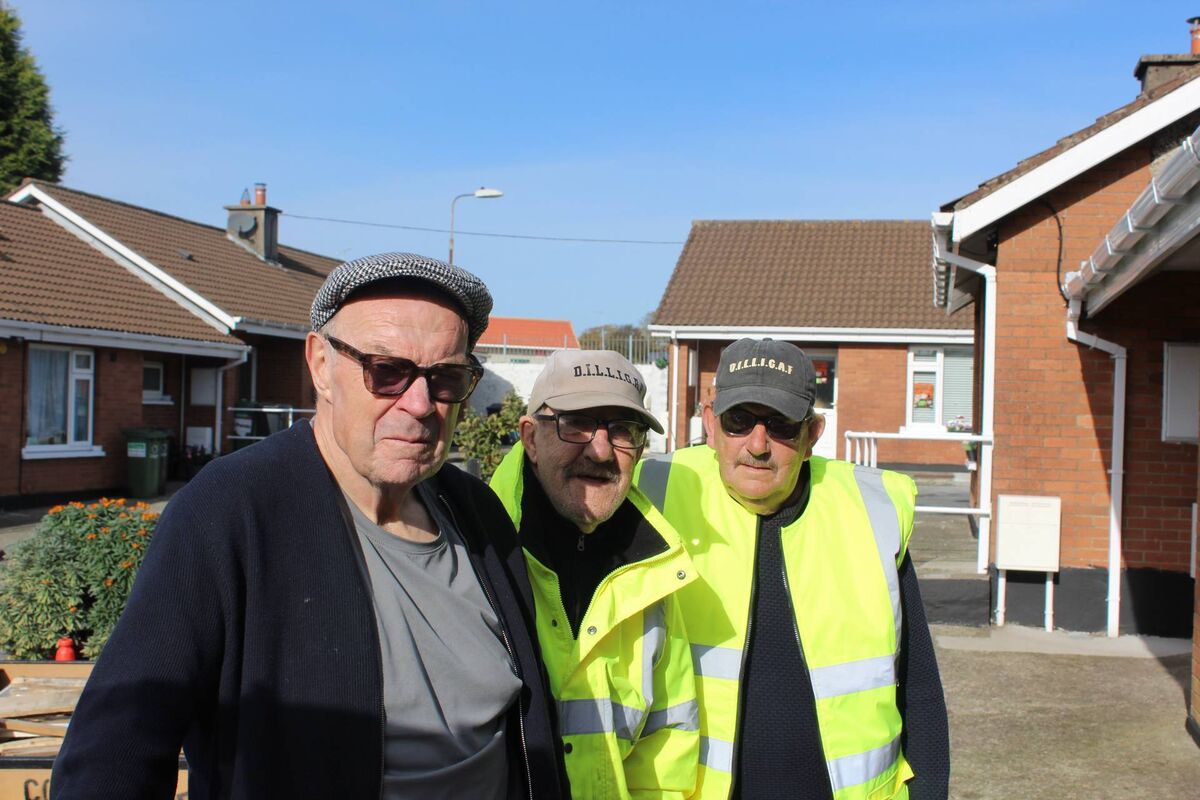
“Five years ago you wouldn’t have seen anything like this at all,” Gus adds.
The brothers often join the probation workers, seeking to develop the same relationship and camaraderie they’ve built with their neighbours.
Mike says that unlike other probation work that is designed to feel explicitly like a punishment, there is a tangible sense of progress for workers.
“I prefer that the guys and girls think of the probation service not as necessarily a punishment, but a hint of a redemption, where they may see productivity, which is something that an awful lot of these people never see.
“Now there's some, a big percentage, just want to come in, be seen, do the absolute minimum, get their hours, get finished, and go back to exactly what they were doing before, because that's all they know.
“But here they have that good feeling factor."
There is a tacit acknowledgement among Joe and Gus that the drug problem will never be fully eradicated.
They often see young people known to them, belonging to local families, fly around the local streets on e-scooters with an implicit understanding of what may be taking place.
Community trust is one angle the brothers hark back to as an antidote to drug-related crime, an issue that's paramount in an area that may have previously harboured poor relationships with law enforcement.
Local police officers tend to agree, and point out that while there are better community engagement programmes than ever, shaking people’s entrenched perceptions is a long process.
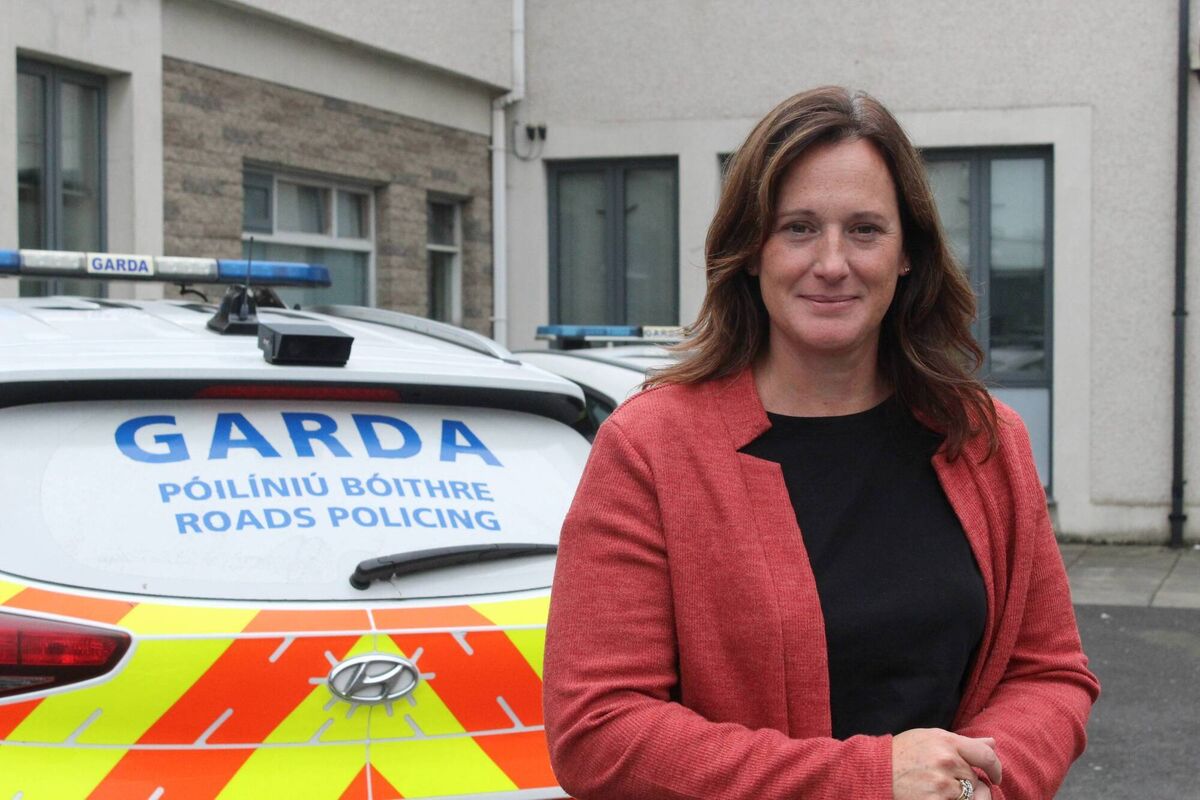
“Traditionally in Ireland, the police force, we don't really tell people what we're doing. I think we probably need to get a bit better at telling people what happens in investigations from start to finish,” says Crime Prevention Office Sergeant Deirdre O’Neill.
Local Sinn Féin councillor John Hearne has carved out a role as an intermediary between victims of drug-related intimidation and Gardaí.
“(Young people) get the idea drugs are a glamorous thing,” he says.
“It’s hard to compete with that kind of money and kids."
He compares the killing of the English family in a fire that shocked the nation last month to a "Veronica Guerin moment" that needs to see community engagement ramped up significantly.
“[Drug dealers] have crossed the threshold now. They're butchering children, and we're saying that the State has to deal with that."
In the letter seen by the Irish Examiner, Mr Murphy said a lack of a co-ordinator was serving as “a critical barrier” to the task force’s work in combating addiction issues in the South-East.
CONNECT WITH US TODAY



Be the first to know the latest news and updates