Ronan Murphy: We should all take note of the Super Valu fridge cyberattack
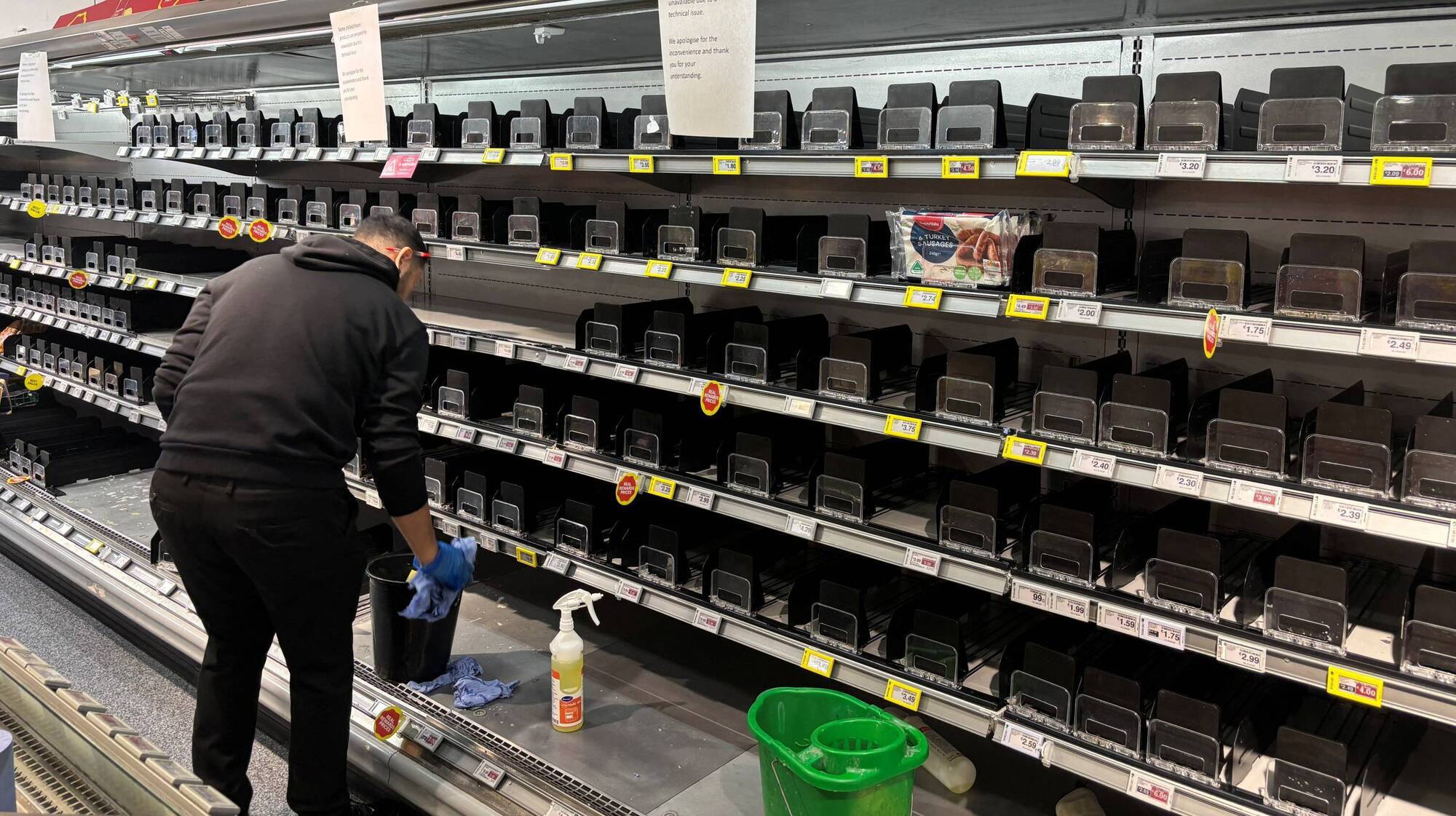
An employee cleans an empty refrigerator at a SuperValu supermarket where refrigeration systems limited to a specific model in 13 of its 223 stores were affected by a cyber incident on Monday. Picture: REUTERS/Stringer
For as long as I can remember when people think about cyberattacks, they usually think about a hacked Revolut account, stolen card details, locked computers or a ransom demand.
Very few would picture a hacker going after a supermarket fridge. Yet that is what we have seen in recent weeks, with various incidents across Europe and now in Ireland, where fridges in 13 SuperValu stores have been affected.
It sounds like an odd target, a fridge, but the lesson is a big one. The devices we rely on every day are more likely than ever to be connected to the internet and if it has an internet connection it can be hacked.
In fact businesses have been connecting equipment to the internet for years, and for good reason. Refrigeration can be monitored remotely, faults are spotted early and maintenance happens before something breaks.
That saves time and money. But the same connection is an opening for hackers. A compromised refrigeration controller can have its temperature settings changed or its alarms switched off.
And it is not just fridges. Heating systems, security cameras, factory machinery, hospital equipment and the technology behind our electricity and water supplies are all connected to the internet. We do not think of them as computers, but they rely on software and remote access to run.
Read More
When they are compromised, the damage it causes is potentially enormous because it reaches the services we depend on. The HSE attack in 2021 showed what that looks like when it happens to our health service. I was personally involved in that and the consequences were devastating.
The hard truth here is that AI makes the threat of hacking more prevalent. Most of us have noticed more scam texts, calls and social media messages, and they are getting harder to spot.
AI helps criminals write them faster and make them more convincing. It also helps attackers find weaknesses in systems, scan for exposed devices and automate attacks.
Criminal hacking activity that once took time and real technical skill is now open to far more people. Connected equipment in a supermarket, once overlooked, becomes a more attractive target.
AI is helping attackers work faster, and most businesses are not ready. For many, cybersecurity was never a priority. Others assumed they were too small to be noticed. That no longer holds. AI makes everyone a target.
It's not all doom and gloom, the good news is that for the most part, the basics still work.
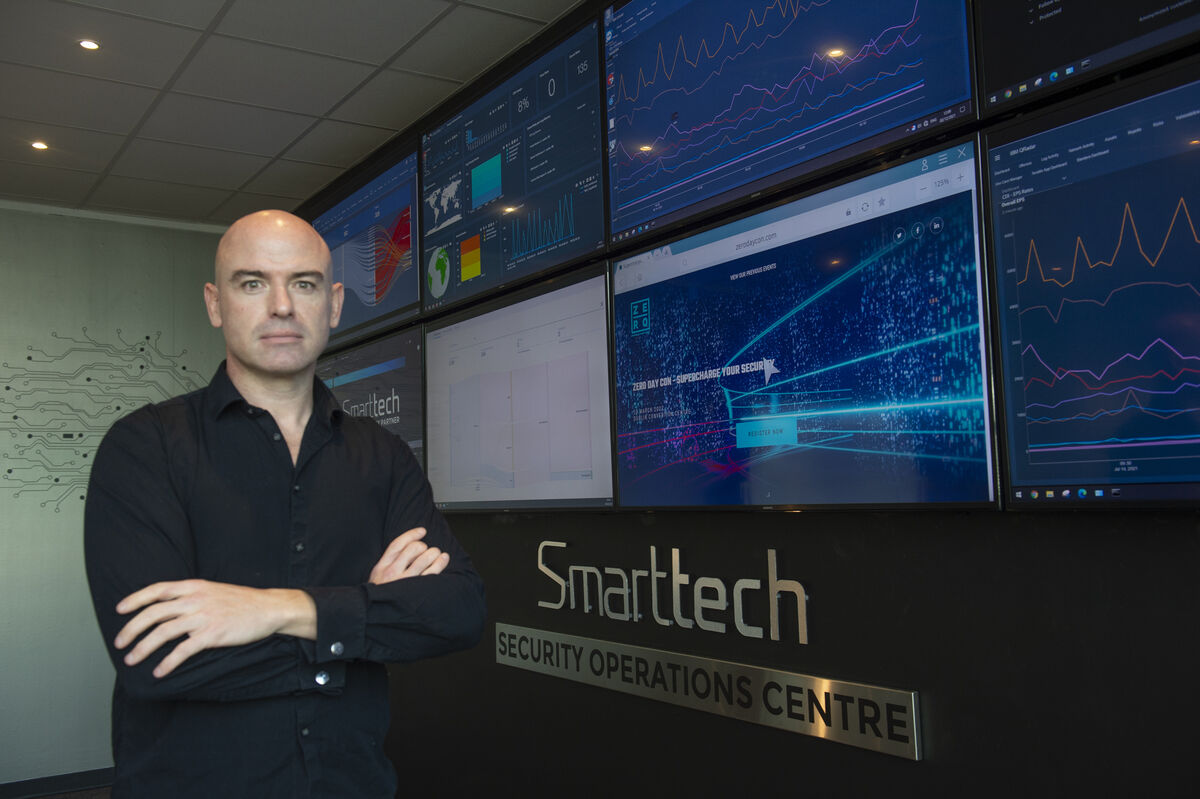
For businesses; know what is connected to your network. Limit who can access it. Keep software up to date. Keep critical equipment, like fridges and building controls, separate from your main systems.
Watch for anything unusual. And ask your suppliers what they are doing to secure the equipment they installed.
For consumers; be cautious about what you click, enable two factor authentication, don’t recycle your passwords and keep the software on your devices up to date.
Cybersecurity used to mean protecting computers and data. Now it also means protecting the machines that keep our shops, hospitals and factories running.
The SuperValu fridges are a warning. If it connects to the internet, someone can potentially hack it.
- Ronan Murphy is chief strategy officer at Forcepoint
Read More

CONNECT WITH US TODAY



Be the first to know the latest news and updates