€20m funding cut leaves RTÉ shocked and furious
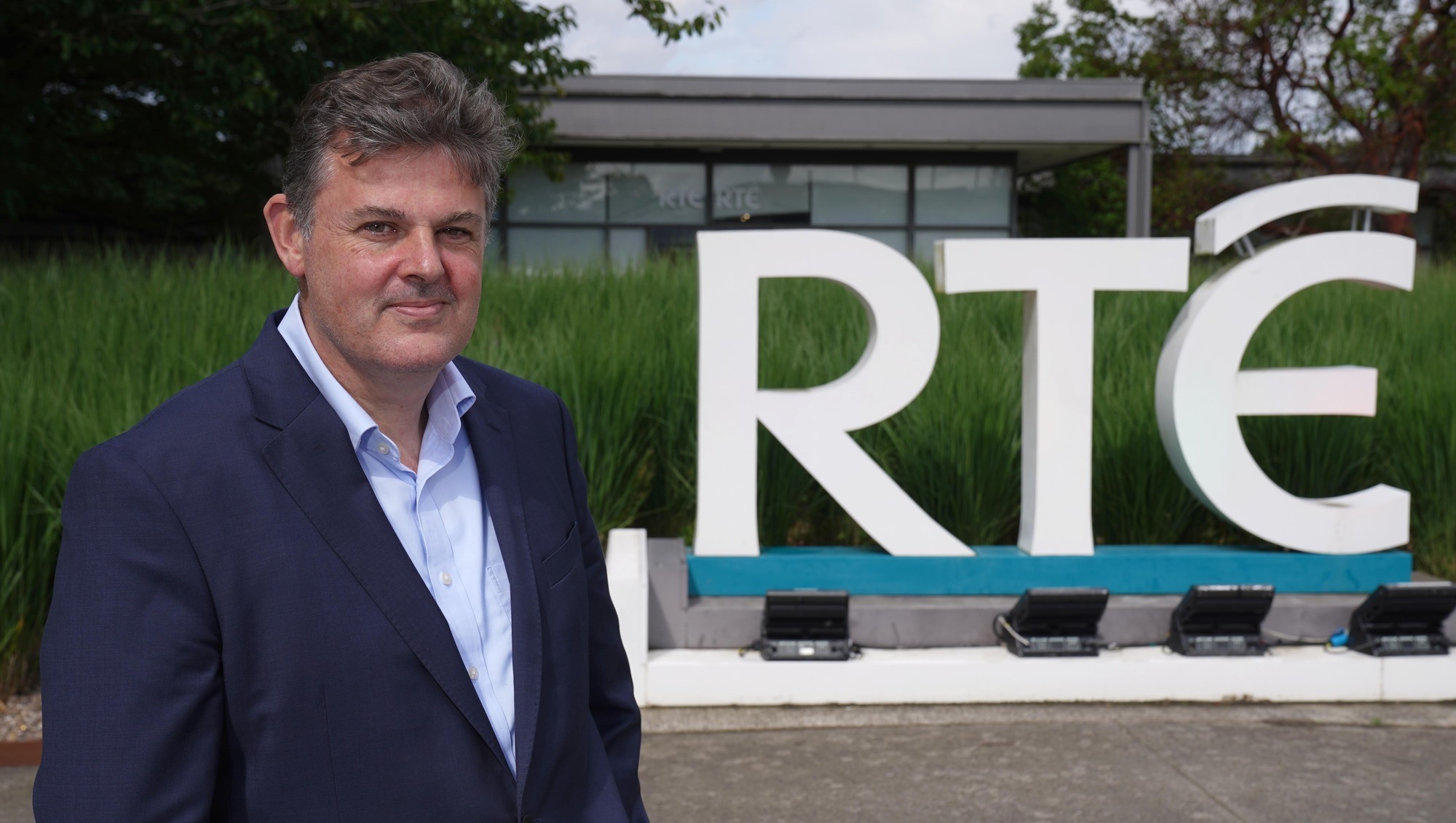
RTÉ director general Kevin Bakhurst reacted furiously to the axe in financial support, which caught Montrose heads by surprise, by 'completely rejecting' a claim that the pace of reform and transformation has been slow. File picture: PA
A mulit-million euro funding cut to RTÉ could jeopardise the purchase of a site for a new studio in Cork, and also places the prospect of compulsory redundancies in a fresh light.
Media minister Patrick O'Donovan has moved to push the blame for a €20m RTÉ funding cut on to public expenditure minister Jack Chambers as relations with the national broadcaster become fraught.
RTÉ director general Kevin Bakhurst reacted furiously to the axe in financial support, which caught Montrose heads by surprise, by "completely rejecting" a claim that the pace of reform and transformation has been slow.
The blistering RTÉ statement came after it was confirmed the broadcaster will get €240m in 2027, €20m less than the €260m it had been anticipating under its multi-annual funding agreement.
"The Government's decision to reduce this public funding agreement by €20m at this late stage, when we have already made important commitments to our audiences, to the independent sector, to other important stakeholders, and to RTÉ staff, is one we had not anticipated and will inevitably impact on our ability to deliver our five-year strategy," Mr Backhurst warned.
Read More
Strongly defending the move, Mr O'Donovan said there was "very little scope" in his overall funding package which amounted to €848m.
"I am not happy that we have seen sufficient progress in delivering the smaller, more agile organisation," he said of the broadcaster.
"RTÉ sought to reduce staff by up to 20% between 2025 and 2029. The reduction in staffing is pivotal to the RTÉ strategy to transform to a more streamlined and agile workforce, and to transition to increased investment in independent productions.
"I intend to update the Government shortly on the delivery of the RTÉ reform programme, including on progress made and what is yet to be achieved. I will also update the Government on proposed reforms to the licence fee collection and set the scene for funding beyond 2027."
While he refused to give a personal view on whether compulsory redundancies should now be rolled out in RTÉ, Mr O'Donovan said: "I think it is well documented that there were issues with regard to the voluntary redundancy and what could be achieved in the last round. Obviously, we would hope that that would be able to be advanced."
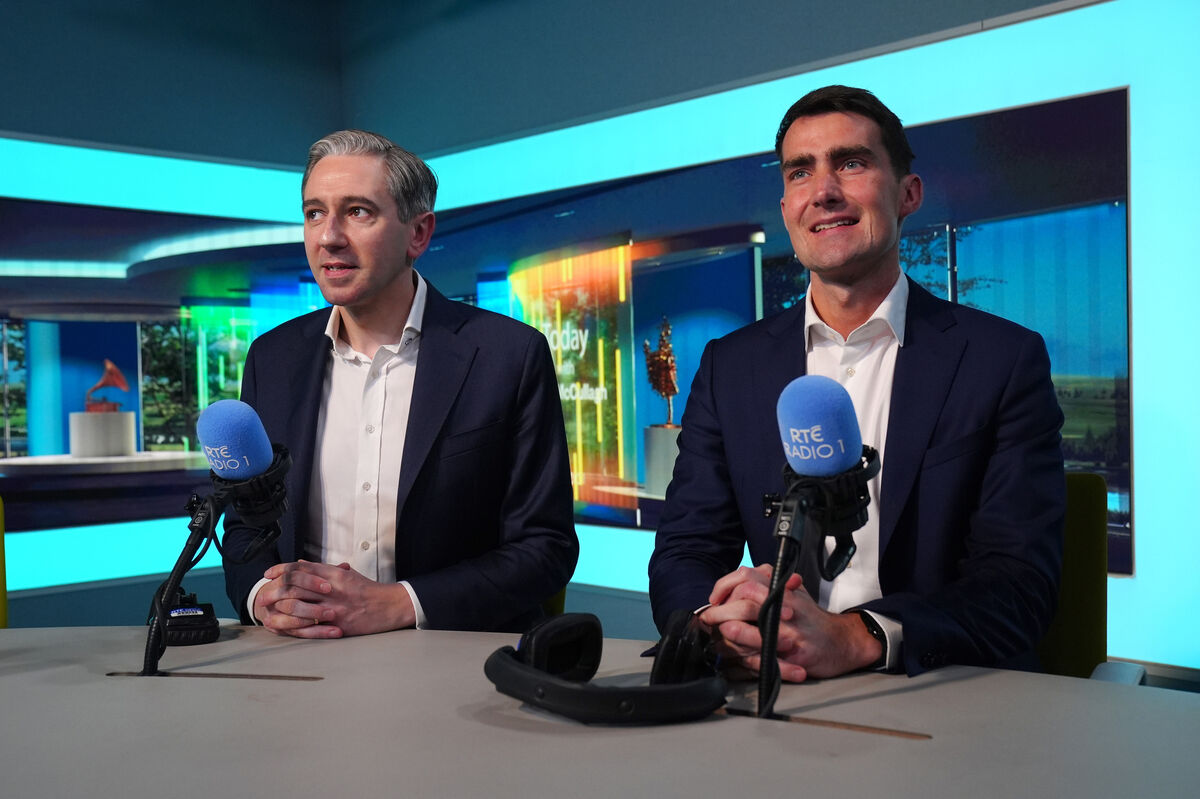
The Fine Gael minister suggested that if RTÉ had received its expected allocation, he would have been forced to reduce measures across communications, culture, and sport.
Mr O'Donovan, who was also embroiled in a pre-budget spat over a culture card proposal for 16-year-olds which was vetoed by the department of public expenditure, suggested that Mr Chambers had ultimate responsibility for the shock funding reduction to RTÉ.
"I have to live within the confines of the budget that is laid out for me," he said when directly pressed on whether it was Mr Chambers' fault.
"The allocation has been made to me by the minister and approved by the Dáil."
Chair of the media committee Alan Kelly warned that the move "risks a head-on collision with the broadcaster" and has now called on Mr O'Donovan to explain and urgently address the Government’s decision to cut RTÉ’s agreed public funding.
He said funding was being cut at a point when the broadcaster has already made significant commitments, asking what the Government believed RTÉ should now sacrifice with a reduced allocation.
“RTÉ’s director general has made clear that the broadcaster did not anticipate this cut and that it will inevitably affect its ability to deliver its five-year strategy. Those consequences could reach viewers and listeners, RTÉ workers and independent producers who depend on commissioning decisions," Mr Kelly said.


CONNECT WITH US TODAY



Be the first to know the latest news and updates