Jack Chambers makes conciliatory noises as unions emboldened by show of strength
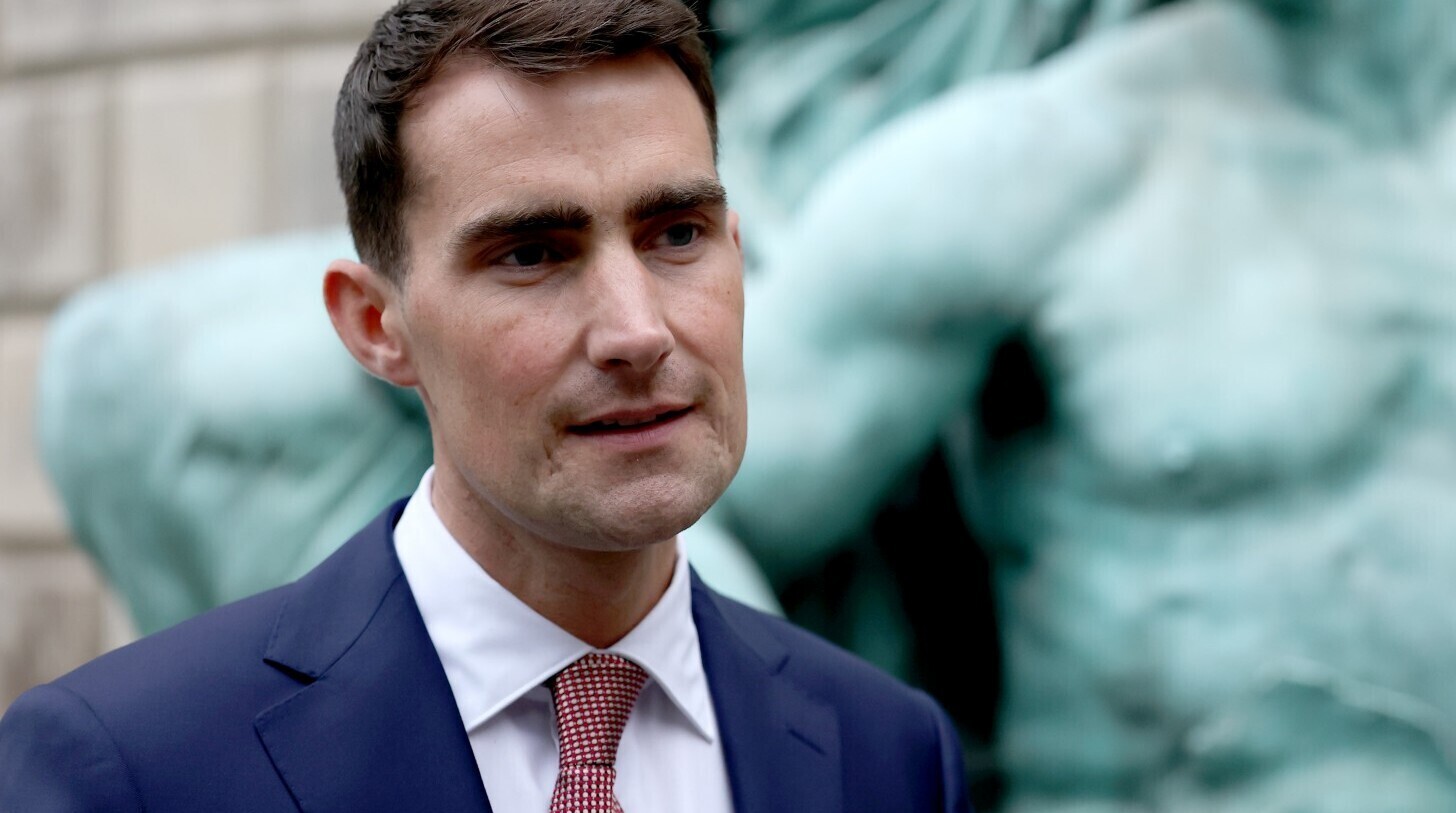
Public expenditure minister Jack Chambers speaks to the media outside Leinster House, Dublin, following the announcement of Budget 2027.
As public sector workers prepared to begin their 24-hour strike on Tuesday night, the public expenditure minister seemed to take on a more conciliatory tone.
Jack Chambers told RTÉ’s that pay could “absolutely” be the starting point for negotiations, saying repeatedly that it would be discussed “as a priority”.
Union leadership has taken his remarks to be a softening of the Coalition’s position in what has become the most heated dispute between Government and public sector workers in almost two decades.
Despite this perception, some Government sources have disputed this is a change in position, suggesting it is simply a reiteration of what Mr Chambers had said all along.
They argued the Government has already stated pay would be a priority in any talks, and saying it would be discussed first is "the same as saying it's a priority".
While the Government may not have changed its overall messaging, the language it has used has evolved.
In a fraught situation like this, all change in language matters and Mr Chambers' comments are a far cry from Taoiseach Micheál Martin's strident criticism of the unions last Friday.
“I do not believe the basis exists for industrial action,” Mr Martin told reporters.
Mr Chambers' intervention on Tuesday is one that has been welcomed by those in the trade union movement, with Siptu deputy secretary general Adrian Kane describing the remarks as “helpful” but “bizarre”.
“If it had happened back in June or May, we may not be here today,” Mr Kane said, while saying there is more for the Government to do to assure workers of cost-of-living supports and pay rises for 2026.
Kevin Callinan, Fórsa’s general secretary, said there is now a “pathway to talks”, marking a movement from the unions where until now they had been steadfast in their rejection of the Government’s calls.
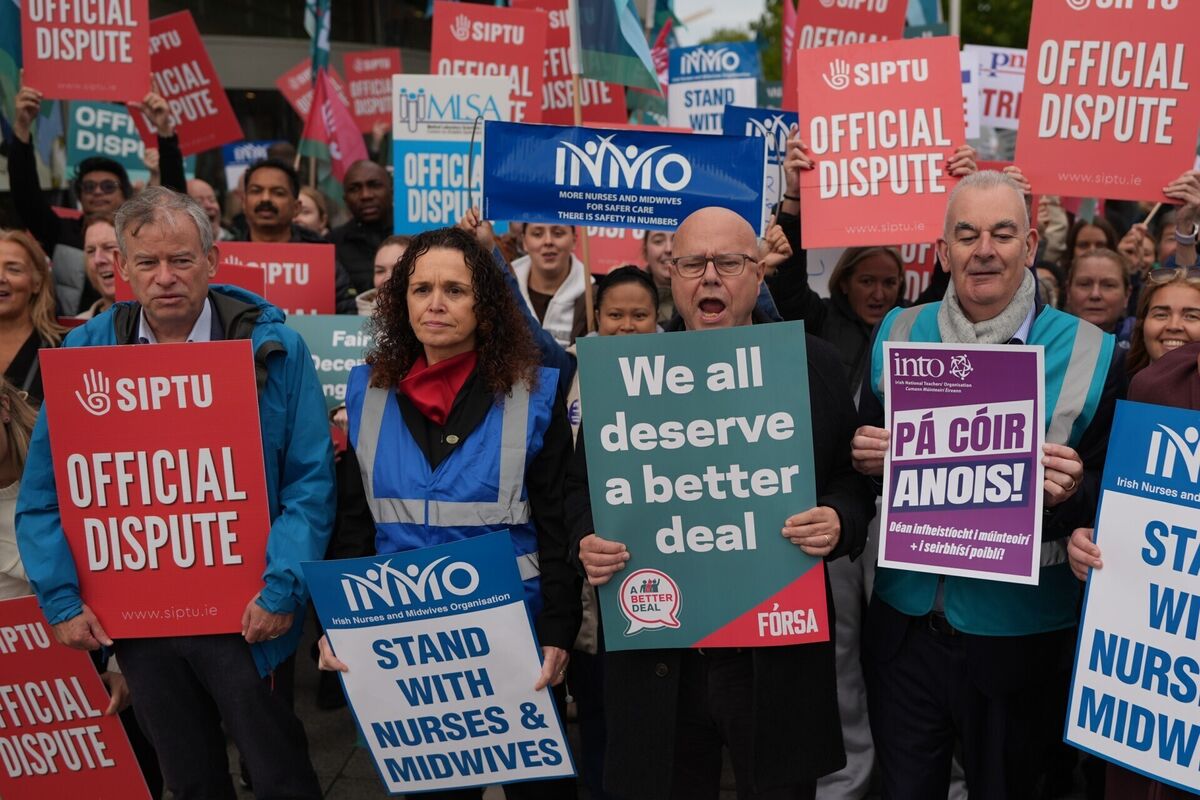
He said a “meaningful response” from the Government was needed, while proposing Mr Martin appoint an “honest broker” to mediate any future talks.
“The ball is firmly in the Government's court now," Mr Callinan said.
This changing mood music has been noticed by some of those in the Government, with one senior minister saying they would be “surprised” if a strike remains on next week.
“Jack seems to have changed the tone,” they said, while saying any move to get unions around the table needs to go “quickly”.
It all constitutes the ongoing waltz back and forth between Government and unions, with even slight changes in language marking a step closer to agreement.
Unions themselves want to show their strength, with the massive turnout on pickets across the country demonstrating they still have muscles to flex, particularly in the wake of the April fuel protests.
That disruption was seen as a cardinal sin of the Government, which gave in to the demands of a loose group of protesters who blocked roads, ports and the country’s only oil refinery.
One trade unionist said this showed that “the louder people shout, the higher the Government jump”, and pointed to the need for unions to take a more hardline approach through the strike action.
This hardball approach taken by the unions seems to be working, as it has proved their strength — not only to Government, but to those younger workers who may have questioned the merits of joining.
But to secure a pay rise for their members, union leaders will need to take their own next step into talks.
For now, they are maintaining that the ball is in the Government’s court, with it being up to the Taoiseach to make the next move.
- Tadgh McNally, Political Reporter


CONNECT WITH US TODAY



Be the first to know the latest news and updates