A tenner for your troubles — mothers get the short straw yet again in the budget
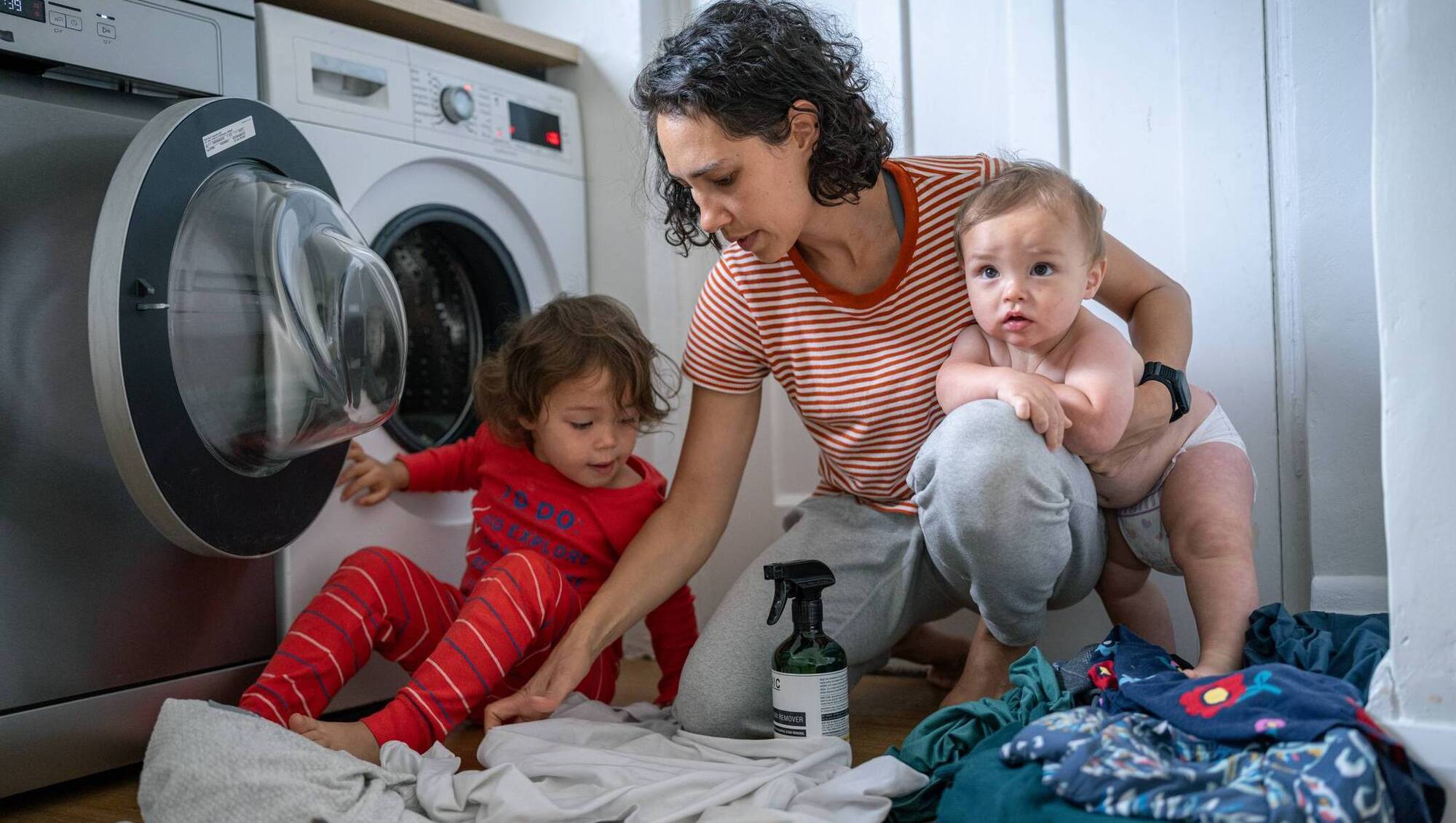
Caring for a tiny human being as well as running a household combined with the emotional and unseen load that goes with being a mother is a mammoth demand on one person. File photo
Undervalued, uninspired and unsurprised is how I feel as a mother after last week's budget.
A €10 increase to maternity benefit was all the Government could stretch to for mothers. Maternity benefit has seen only paltry increases over the years — and you won’t get the extra tenner until January 2027. It's currently €299, after another €10 increase last year.
There was no mention of a public childcare system and child benefit payments remained unchanged. It shows there is no will at Government level to truly recognise the economic value of mothers — the ones who prop up the economy.
The €550 cap on childcare costs under the National Childcare Scheme is something and it will be welcomed by some, but only those who can afford that payment in the first place. It only benefits those who have access to childcare registered with the scheme.
To me it amounts to nothing more than tokenism at a time when our childcare services are in crisis. And who does lack of childcare services impact most? Mothers.
I have never liked Budget Day, not even when I worked full-time in newsrooms. All I see are big money sums debated and bandied about with so many people getting left behind in the political crossfire. And mothers, especially, year after year, being left out in the cold.
Every year the budget fails to take into account the colossal economic contribution that mothers make. And there were many opportunities for the Government to make a real impact for mothers.
A public childcare model is too long being talked about, why could that not have been a priority this year? And why has maternity benefit never seen a worthwhile increase?
For women who work for employers that do not top up the current maternity payment, €299 is all they will have to live on while on maternity leave. It means a huge drop in income for many at a time when their outgoings increase. And with inflation only going one way, it isn't going to make much inroads into weekly costs of most households.
According to the Central Statistics Office, 26.1% of mothers in 2024 didn’t have their payment (then €274) topped up.
If you break the current sum of €299 down over a 39-hour week, which is the average working week in Ireland, it equates to less than minimum wage at just €7.67.
Minimum wage, after Budget 2027 will be €14.94 per hour. The Living Wage, which is the wage that is said to make it possible to achieve a minimum acceptable standard of living is €16 per hour. What does that tell you about how much the Government values mothers?
Louise Bayliss, Head of Social Justice and Policy at the Society of St Vincent de Paul says the low rate of maternity benefit means some women can’t afford to avail of their six months maternity leave and choose to go back to work sooner.
But that also depends on whether they can find childcare and can afford it when they do find it — most childcare services no longer have baby rooms, so many children cannot avail of a creche place until 18 months.
Not only does the amount fall short, Ms Bayliss says, but it also does a disservice to the child or children as well, because ultimately children will suffer when household finances aren’t adequate to cover the basics.
There are plenty of places who do it better. In Norway, Sweden, Finland, Iceland, Estonia, Slovenia and Denmark women on maternity leave get near or in some cases full wage replacement. So why can’t we do that here?

There doesn’t seem to be the slightest bit of appetite at Government level to explore this and it’s indicative of how they view and value mothers and children and care work in general.
Figures from Royal London Ireland which estimates the economic value of a stay-at-home parent suggest that it would cost more than €60,000 a year if you were to pay for every job a stay-at-home parent does. And most stay-at-home parents are mothers.
That’s like a punch in the gut and says only one thing to me: such a low rate of maternity benefit and a lack of appetite to reform it is indicative of a culture that sees women and children as less, as existing outside the economic model that we prop up.
As a country we do not place enough value or worth on a mother’s or a woman’s contribution to society.
Caring for a tiny human being as well as running a household combined with the emotional and unseen load that goes with being a mother is a mammoth demand on one person. But, according to the Government, all that effort and labour is not even worth minimum wage.
Raising children is a contribution to society. Raising little people to become grounded, well-rounded individuals who will then go on to contribute to society in their own way is one of the most important jobs in life.
Is it any wonder women are deciding to have fewer children?
- Ciara Ní Bhroin is a coach, host of podcast and a former RTÉ journalist and broadcaster.


CONNECT WITH US TODAY



Be the first to know the latest news and updates