Trespassing hunters who front for criminals eyeing up equipment a major concern for farmers
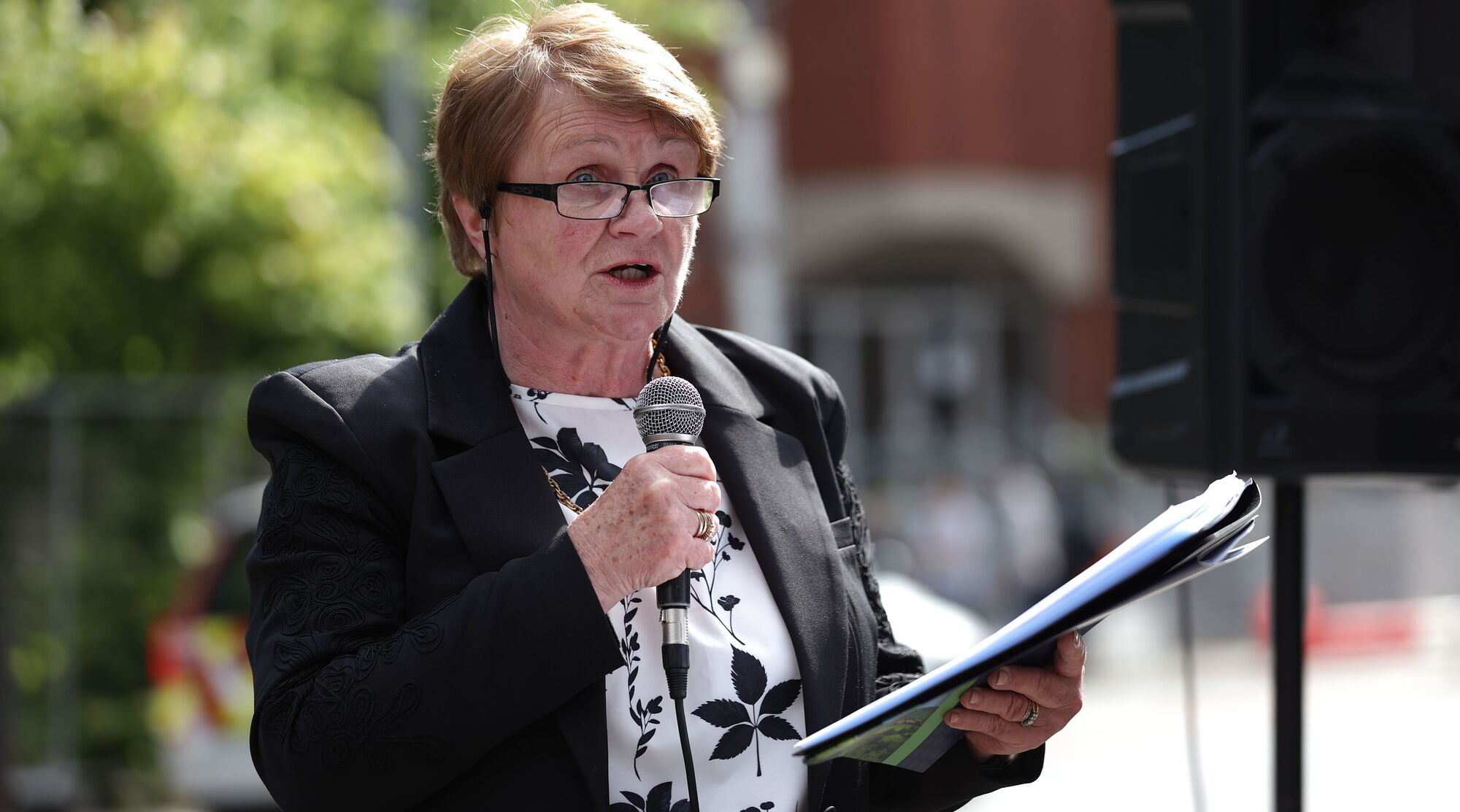
For deputy president of the Irish Farmers Association and co-chair of the forum, Alice Doyle, there is concern among rural dwellers that 'lurching' may be a front for criminals sussing out an area. File photo: Liam McBurney/PA
In Limerick last week, a group of farmers in one area gathered at a meeting to discuss their concerns about trespass on their farms by groups of hunters.
The meeting is just the latest where such concerns are being aired and it is likely to be one of the most discussed topics by farmers meeting members of the Rural Safety Forum at the national ploughing championships this week.
For deputy president of the Irish Farmers Association and co-chair of the forum, Alice Doyle, this issue is one of the biggest concerns for landowners in rural areas — particularly as there is concern among rural dwellers that “lurching” may be a front for criminals sussing out an area.
She says: “It is being done under the guise of going after foxes, hares, rabbits, etc. but in many cases what is being done is the farmyard, land and area around it is being eyed up. What is available there?” She points out that theft of machinery including quad bikes, farm animals, GPS systems and tools are also among the crimes which are common in rural areas.
Read More
“The theft of GPS systems typically affects farmers in east Munster and in Leinster. GPS systems are typically used by guys who do a lot of tillage and they are very expensive and are hot material. There was a spate last year where they were being targeted and it was Irish guys stealing them to order and exporting them to foreign criminals.
"That would be prevalent in the spring and at this time of the year when there is sowing going on. Winter corn will be sown from now into October.”
The concerns about thefts in particular comes as rural dwellers feel that their areas are being neglected when it comes to gardaí on the beat.
A look at current garda numbers shows that in the year from July 2025 to July 2026, Mallow garda district went from 118 to 111 officers. The station in Mallow town was down from 66 gardaí to 63. Overall, Cork county reduced in garda numbers from 619 to 612, with Mallow district accounting for the biggest loss in that 12-month period.
In the joint Clare/Tipperary division, numbers have also fallen — down from 661 to 652. However, policing numbers have risen in Kerry, with an increase of five personnel resulting in 349 members across the county in July this year.
Limerick city and county has seen a jump in garda numbers from 585 to 625 in the same 12-month period, but the extra allocations have been made to the city districts, with Roxboro Road’s numbers swelling from 120 in July 2025 to 140 in July this year. Meanwhile, Henry Street district’s numbers grew from 336 to 361 in the same period.
However, in the Newcastlewest district, the number of gardaí has fallen from 79 to 77 while there has been a loss of three in Bruff, bringing numbers from 50 to 47.
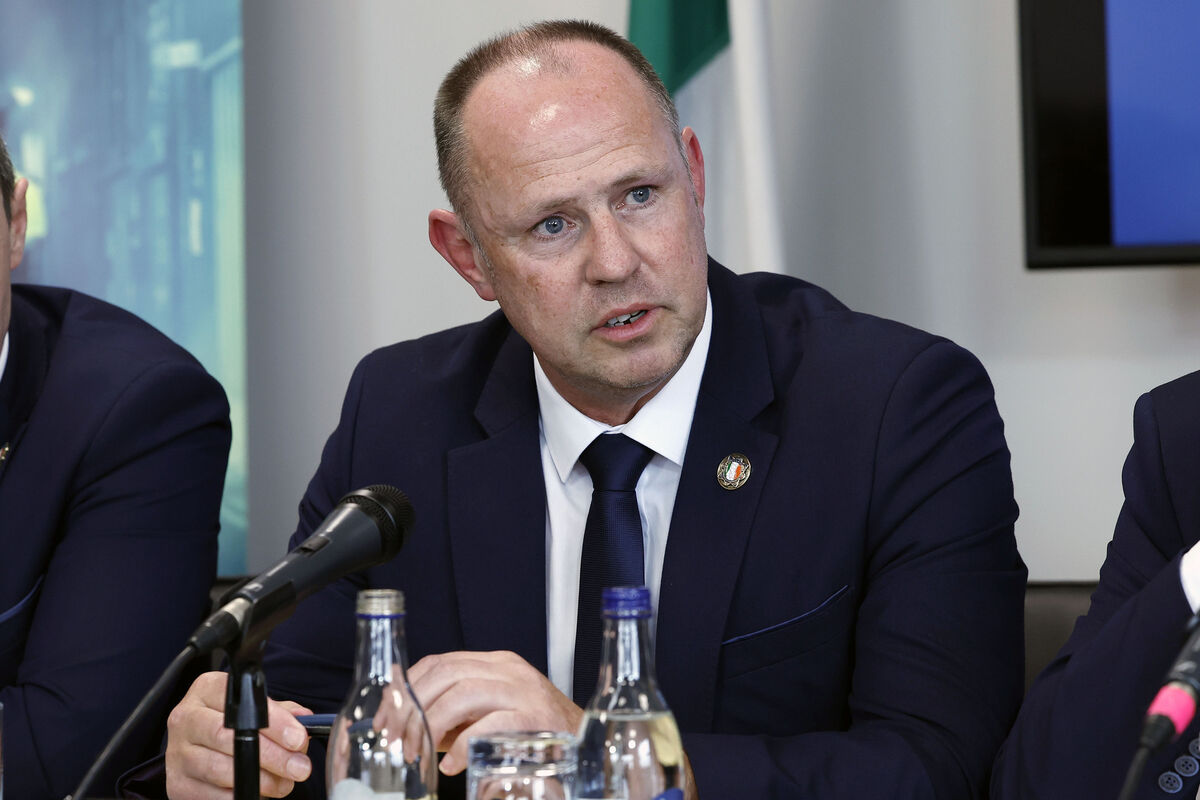
General secretary of the Garda Representative Association, Ronan Slevin, said the impact of recruitment and retention problems within An Garda Siochana “has disproportionately impacted on rural areas as have structural changes to the way in which policing is being delivered as a result of the Operational Policing Model”.
"What was once a community-based policing service embedded in communities is now nothing more than a fire brigade service with fewer gardaí traveling longer distances to respond to incidents.
"Imposing a policing model which has failed elsewhere with insufficient numbers of personnel has been in my view a backwards step in terms of visibility and accessibility for the public."
He said resources continue to be "sucked" towards headquarter stations which are further from the communities to which they are providing a service.
Most recent garda statistics for probationer gardaí, from July, shows that 566 have been allocated to stations across the country this year. However, 339 of those have been allocated to stations across the Dublin divisions, with the remaining 227 going to stations across Ireland.
Cork City received five while Cork county were allocated six. Kerry got eight, Clare/Tipperary received 11 and Waterford/Kilkenny were granted 18. The highest Munster allocation was to Limerick, which received 30 probationers this year.
Meanwhile, most recent figures available on the garda website is that there are currently 638 gardaí assigned to roads policing — down from 1,046 gardaí in the then-traffic corps units in 2009. This number of roads police has, however, fallen by 10 since January.
In Limerick for example, there are now 32 in roads policing, down from 35 in January. Galway has also fallen by three, from 43 to 40. However, the number of roads policing gardaí in Cork county has risen by two from 42 to 44.
Mr Slevin said: “The decision to reduce the number of roads policing members has reduced visibility and removed a fear of being caught or stopped for those committing road traffic offences.”
Leo Leighio, whose 16-year-old daughter Marsia was killed in a hit-and-run in 2005, said the fall in gardaí being allocated to roads policing is a huge concern.
Mr Leighio, who is a member of the Irish Road Victims Association, said: “If the public don’t see the gardaí on the streets, they have no fear of getting caught.
"We can’t expect gardaí to be on every road but the technology is there to assist gardaí. Cameras, alcohol interlocking devices for example — stuff that has been proven across Europe and across the world.”
Up to Wednesday morning, 134 people had died as a result of collisions since the start of January — up 13 on the same period last year.
Just 35% of respondents to the Irish Examiner/IPSOS/B&A poll said they have been stopped at a garda checkpoint in the last year — down from 43% in the same poll in 2024.
Alcohol Action Ireland’s chief executive Sheila Gilheany told a meeting of the Oireachtas transport committee in May: “Ireland has the lowest level of roadside breath testing in the EU.
"In 2021, just 18 tests per 1,000 inhabitants were carried out here. In France, that figure was 109, while the league was topped by Estonia, with a rate of 576 tests. In 2007, there were 19,548 arrests (for drink-driving) but, for the past six years, arrests have plummeted to around 5,000 annually."
The Rural Safety Forum which has approximately 20 different member organisations was launched in 2019. It includes An Garda Síochána.
Alice Doyle feels strongly that the forum is a worthwhile mechanism to help feed information to rural communities.
She said: “There certainly is more awareness now from these organisations (in the rural safety forum) getting the information out to the different bodies and the different communities they are all involved in.”
Gardaí are keen to highlight that 81% of people interviewed for the poll said they agreed with the statement “I feel safe living in rural Ireland”, with a spokesman calling it “the most significant statistic”.
The spokesman said: “This finding reflects similar findings in the most recent An Garda Síochána Public Attitude Survey which found that 19% of respondents considered local crime to be ‘a very serious’ or ‘serious’ problem compared to 72% of respondents who considered national crime to be ‘a very serious’ or ‘serious’ problem.
"Notwithstanding the gap in time between polls this demonstrates that the overall perception of safety in rural Ireland remains strong, notwithstanding individual specific issues.”
He said there has been an increase of 735 sworn gardaí since the end of 2023, and added that recorded crime incidents fell for six of the 15 offence groups in the 12 months to March compared with the previous 12-month period, with a reduction of 9% in burglary and related offences.

CONNECT WITH US TODAY



Be the first to know the latest news and updates