Rural Ireland Thinks: Women in rural Ireland more likely to feel disadvantaged than men
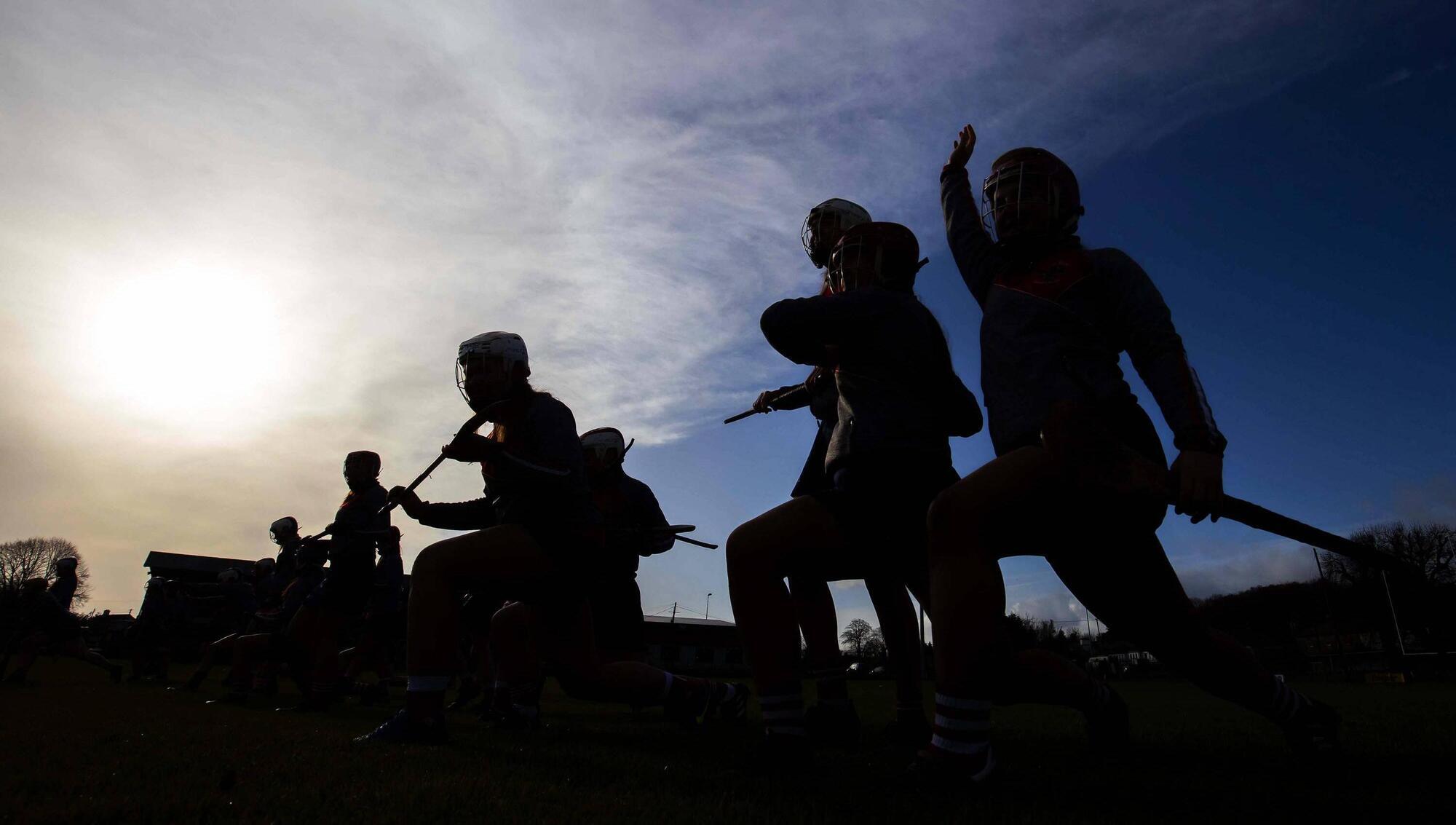
'If you look at the GAA, for instance, there are more male hurling and football clubs than there are camogie and ladies' football clubs.' File picture: Inpho/Tom O'Hanlon
Women in rural Ireland are far more likely to feel like they are living in disadvantaged conditions, according to the latest edition of the ’s ‘Rural Ireland Thinks’ poll.
About 37% of women said they felt disadvantaged living in rural Ireland, compared to 23% of their male counterparts.
The sentiment was most pronounced across the younger cohorts surveyed, with 42% of women aged 25-34 feeling disadvantaged, alongside 34% of 16 to 25-year-olds.
Of the 506 adults surveyed in the Ipsos B&A Poll, commissioned by the , 29% of rural respondents believed they were disadvantaged. More than half (59%) disagreed.
Only 15% of those 65 years and older believed they were at a disadvantage.
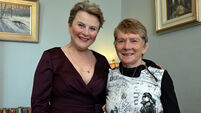
"In terms of your recreational activities in the country, they're probably easier to access for men,” said Fine Gael senator Eileen Lynch, the party’s Seanad spokesperson on rural affairs.
“I suppose whether we like to admit it or not, in rural pubs, for a younger woman, it's more difficult to go in on your own than what it is for a younger man or an older man to go in on your own,” said Ms Lynch, who was raised in Aghabullogue, 30km west of Cork City.
Read More
The poll found the overwhelming majority of residents (94%) had access to a postal delivery service, good/consistent broadband (82%) and a pub that served the local community (78%).
Access to a post office was varying (54%), while access to regular public transport (34%), a physical bank branch (26%) and a remote working hub (17%) were left wanting.
On average, people in rural Ireland had access to 3.9 of the seven services polled by the .
Megan Flynn Dixon, the communications officer for See Her Elected, a group that aims to increase female representation in rural Irish politics, said there was a dearth of services and supports that catered to women’s needs specifically.
“Childcare, public transport, training to re-enter the workplace or upskill, community connections, mental health supports, pre- and post-natal supports, abortion, the list goes on,” she said.
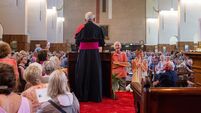
Ms Flynn Dixon referenced former president Mary McAleese’s recent departure from her role as the head of the Gaelic Games integration group. Ms McAleese alleged a misogynistic decision-making culture as a reason for stepping away from the position.
“The message this sends to young women in that 25-34 age cohort is that they are not going to be resourced to do the sport the love. Whereas their male counterparts have never had to consider the gender discrimination built into our largest sporting institution,” she said.
A 2021 study from the Women’s Council of Ireland said a lack of gender balance was prevalent in many facets of rural life.
In 2025, just seven women sat on the 56 member council of the Irish Farming Association.
In primarily rural local authorities like Donegal (8.1%), Longford (11.1%) and Mayo (16.7%), the proportion of women sitting in elected positions remains low.
- The Rural Ireland Thinks Survey was funded by the News Reporting Scheme
CONNECT WITH US TODAY



Be the first to know the latest news and updates