Paul Hosford: Tougher stance on immigration is not solely about ideology
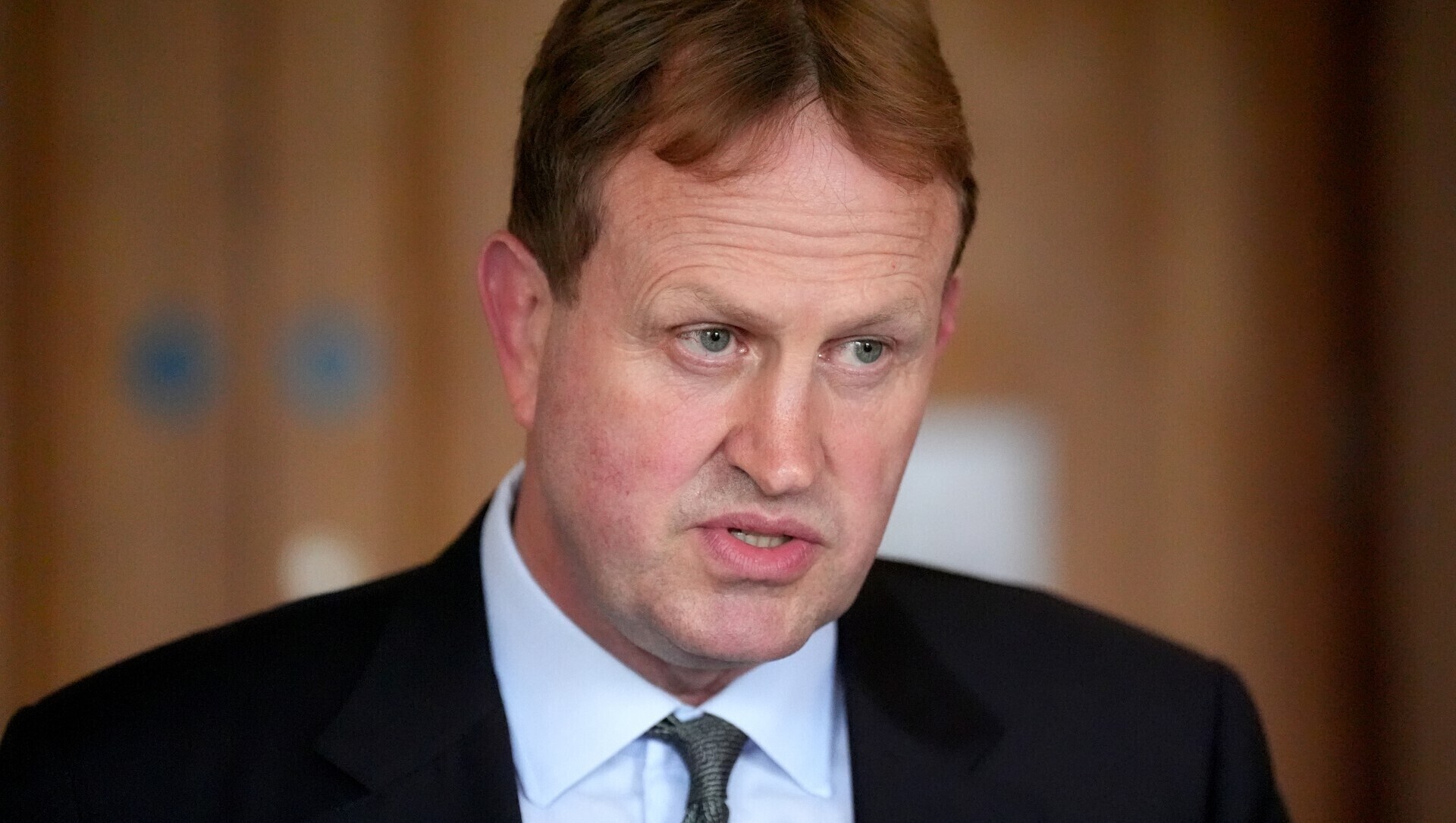
Justice minister Jim O'Callaghan. The Irish Examiner Rural Ireland Thinks survey shows why this Government has been tightening the rules on immigration and citizenship. Picture: Niall Carson/PA
In the nearly 20 months since this Government came to power, it has placed more of a focus on immigration than most of its predecessors.
When asked why, it can be difficult to pinpoint.
Part of it is that the last government seemed unsure of how to handle a populist outcry around the issue, part of it is because of EU changes, and part of it comes down to a change of focus under justice minister Jim O’Callaghan, with the issue moved back into the Justice Department.
But much of why this Government has tightened the rules can be revealed in the Irish Examiner Rural Ireland Thinks survey, which shows that — while more than half of people surveyed believe immigration is good for the economy — just under a quarter think the Government is doing a good job on controlling incoming numbers.
This new, tougher approach to immigration is not simply about ideology.
Politically, it reflects a calculation that the Government cannot afford to appear to have lost control of migration at a time when voters already believe it has lost control of housing, public services, and the cost of living.
It is perhaps easier to gain control of immigration than the other problems.
Largely, immigration has become politically connected to Ireland’s wider crisis of capacity.
While housing remains the electorate’s dominant concern, it and immigration increasingly overlap in political debate despite expert commentary consistently contradicting the assertion that immigration has driven the housing crisis.
In that regard, the Government’s focus is on perceptions elsewhere — that checks were too lax or that citizenship has been too easily achieved.
The approach has borne fruit, with 77% of those in rural Ireland supporting the International Protection Act.
However, there is also a defensive electoral calculation.
Ireland has historically lacked a major anti-immigration party, but that political space is becoming more contested.
The 2026 Dublin Central by-election demonstrated the potential: Candidates campaigning explicitly on anti-immigration themes collectively attracted more than 20% of the vote, although immigration itself was not the constituency’s dominant concern.
For the mainstream parties, this creates a dilemma. If Fine Gael and Fianna Fáil are seen as ignoring immigration concerns, they risk surrendering votes to Independents and emerging right-wing movements.
The Government’s response has therefore been to emphasise a “fair but firm” immigration system: Faster processing, more effective deportations, tighter asylum procedures, and greater expectations on people receiving State accommodation.
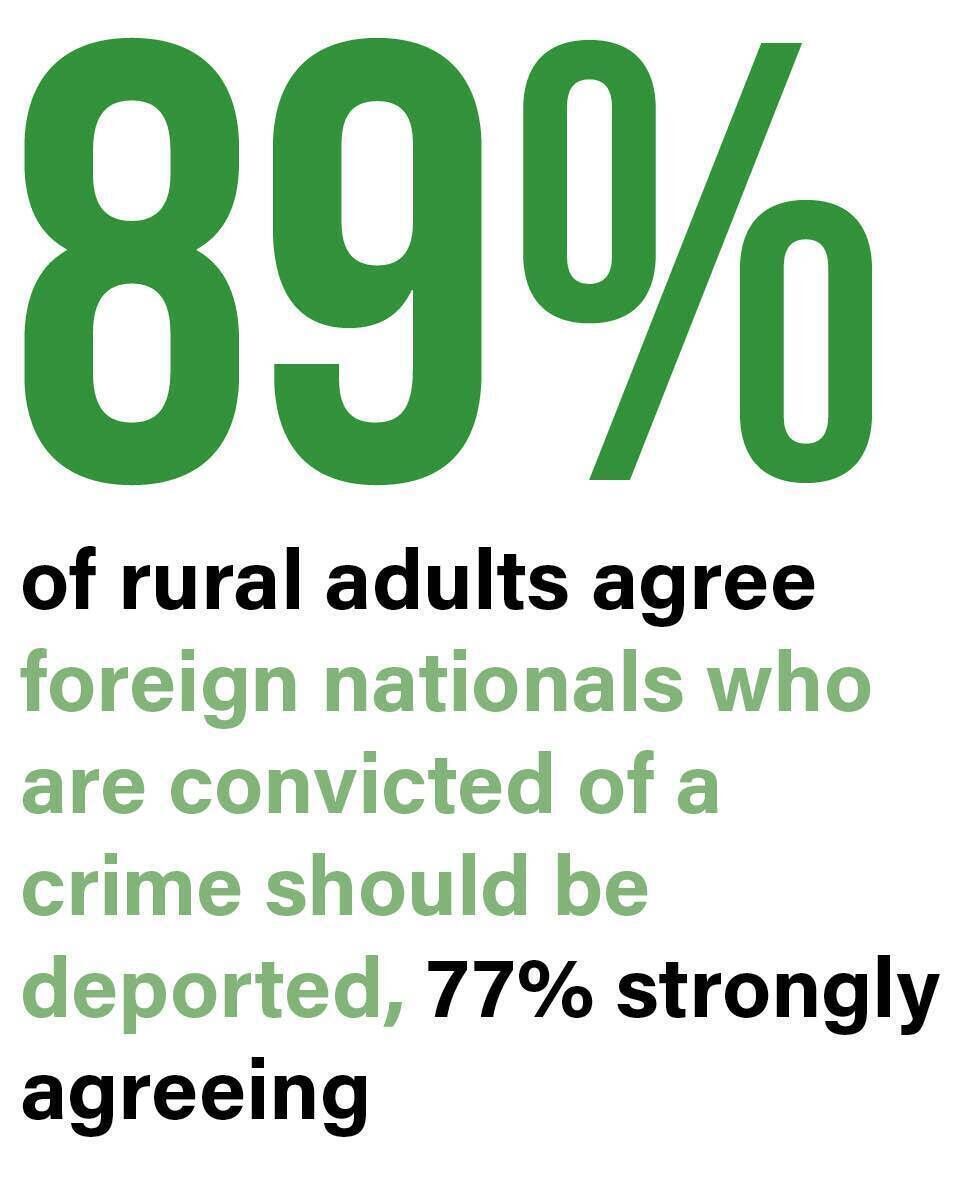
The political message is essentially that Ireland can remain welcoming while demonstrating that immigration is controlled. That will chime with the nearly 90% of people who support the idea of deporting non-nationals convicted of crimes.
There is another important electoral dimension: working-class voters appear particularly sensitive to immigration and competition for scarce resources.
Mainstream parties are competing not merely against each other, but against political disengagement and anti-establishment sentiment. The Dublin Central result suggested that some support for anti-immigration candidates may represent a broader sense that established politics has failed voters.
While government sources are keen to point out that residence permits issued in Ireland fell by 9% last year, and deportations of convicted criminals have leapt up, and that overall numbers of asylum seekers are down, they are fighting a perception that is difficult to dispel.
Today’s poll, however, shows that the Government is not necessarily abandoning the economic case for immigration. It is trying to reclaim political ownership of the issue before its opponents do.
- This report was funded by the News Reporting Scheme
- Paul Hosford, Deputy Political Editor
CONNECT WITH US TODAY



Be the first to know the latest news and updates