Some are more at risk than others in horror ebola outbreak
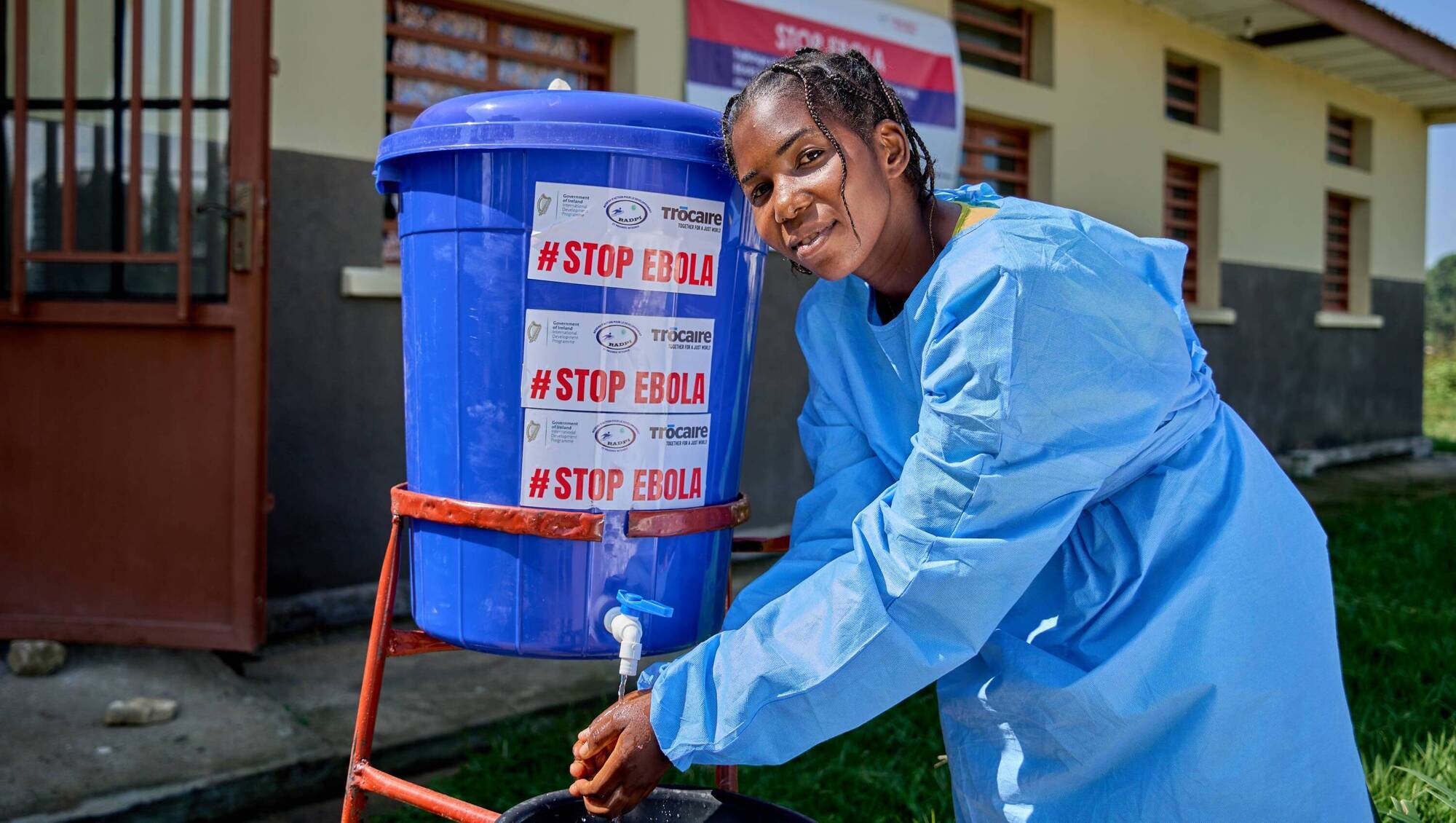
Imani, a nurse at Bogoro Health Centre, washes her hands at a handwashing station installed outside the health facility as part of Ebola prevention measures.
I live here with my family in Bunia in DRC, the epicentre of the ebola outbreak that was declared on May 15. Bunia is the capital of Ituri Province in eastern DRC and has a population of about five million people, similar to the Republic of Ireland.
The ebola situation here is terrible and very real. People are losing their lives. Some weeks ago, a six-year-old child of one of my neighbours died from ebola — it is absolutely awful.
This outbreak is caused by the Bundibygyo strain. The World Health Organization (WHO) reports there is no approved vaccine or specific treatment for this strain, making prevention, rapid response and community trust essential.
More than 4,400 cases and 2,000 deaths have been reported, with the virus spreading rapidly across five provinces and 51 health zones.
Collecting stories on ebola brings mixed feelings. I feel responsible for sharing the experiences of affected communities and highlighting the work of colleagues in prevention. At the same time, I must be mindful of my own risk of contamination.
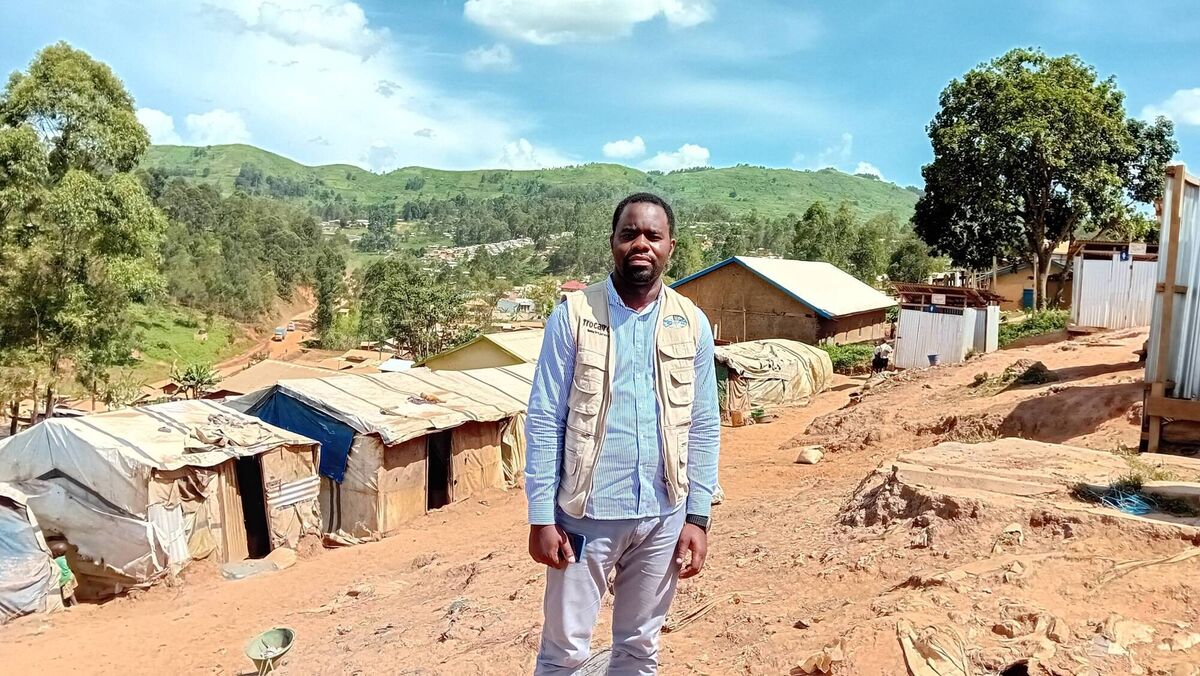
Although all of us are at risk and are exposed to the virus, some groups are more at risk than others. One group is people who are living in displacement camps because of the conflict here. More than one million people are displaced in Ituri.
How can you control the spread of a virus such as ebola in such an environment where a huge number of people are crowded together with limited support? People are living in tents and temporary shelters with limited access to water and sanitation facilities. Already, 13 internally displaced people camps have recorded ebola cases and deaths.
Read More
The second group at greater risk is frontline medical staff. I'm not just talking about healthcare workers who are doing an amazing job caring for patients in ebola treatment centres. I'm referring to health workers in ordinary health facilities because people are still going to these places for the usual reasons — to give birth, for antenatal care and other health needs. They continue to provide care, handle samples and support patients. Some show symptoms of ebola but aren't confirmed until tested.
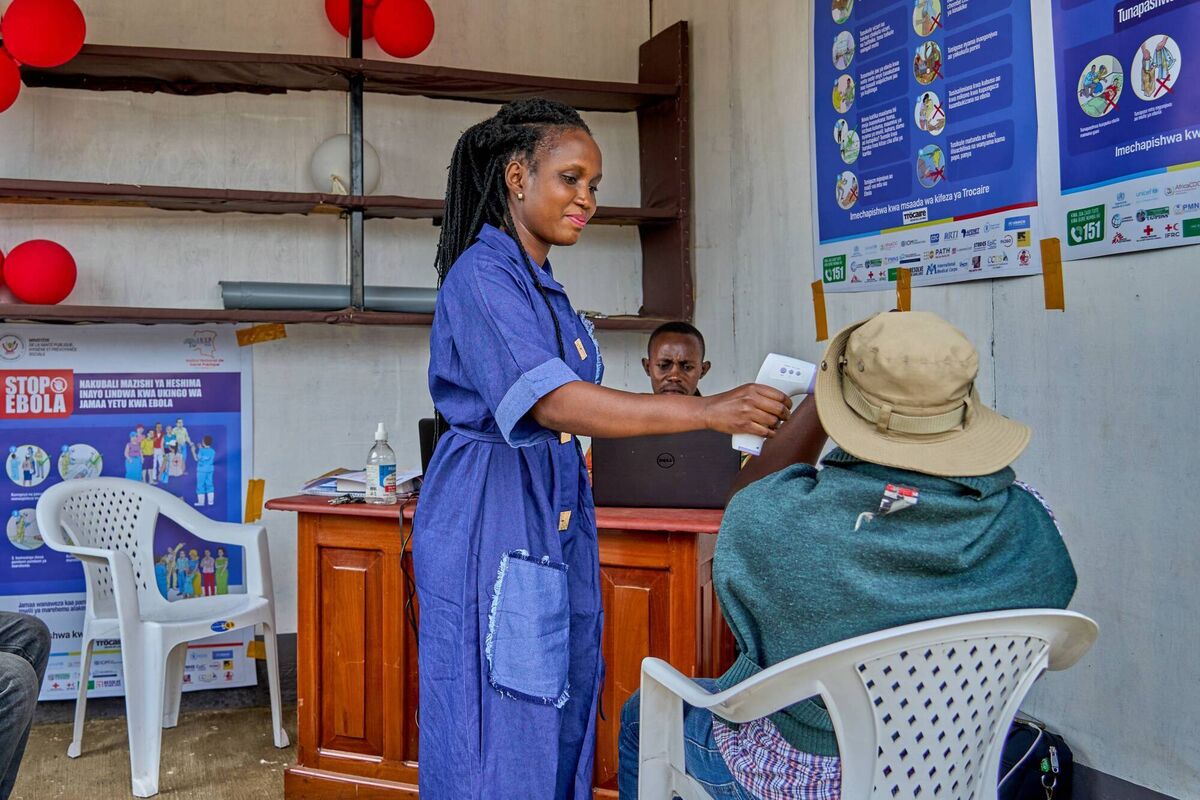
Recently, I spoke to a friend of mine who is a local doctor, and she told me ebola has already infected three of her medical colleagues. She’s worried about their safety, as their facility lacks adequate infection control, gloves, masks and sanitiser. This is the reality for many health workers.
The outbreak is complex. Many aid workers believe it began weeks before it was officially declared, as 50 deaths had already occurred by May 15. This strain differs from previous outbreaks and there’s no treatment or vaccine. Other diseases here have similar symptoms, so diagnosis is difficult.
After the outbreak was declared, Ituri had no testing capacity for two weeks, requiring samples to be sent 3,000km to Kinshasa, delaying results and allowing further spread.
Ituri is a mining zone with several places that have very concentrated populations and a lot of mobility of people because of the mining, combined with displacement of people because of conflict.
The conflict has also destroyed infrastructure. This population has already been in the grip of an ongoing humanitarian crisis and is now facing a new health crisis. It is not easy to contain an outbreak in such a context.
As Congolese, this is not the first time we are facing ebola. I personally experienced the outbreak between 2018 and 2020, and Congo has faced that, so there is hope.
As an aid worker with partners and communities, I have seen progress in changing behaviours. People are washing their hands in public places, like in front of shops and in markets; we are seeing hand-washing stations, for example.
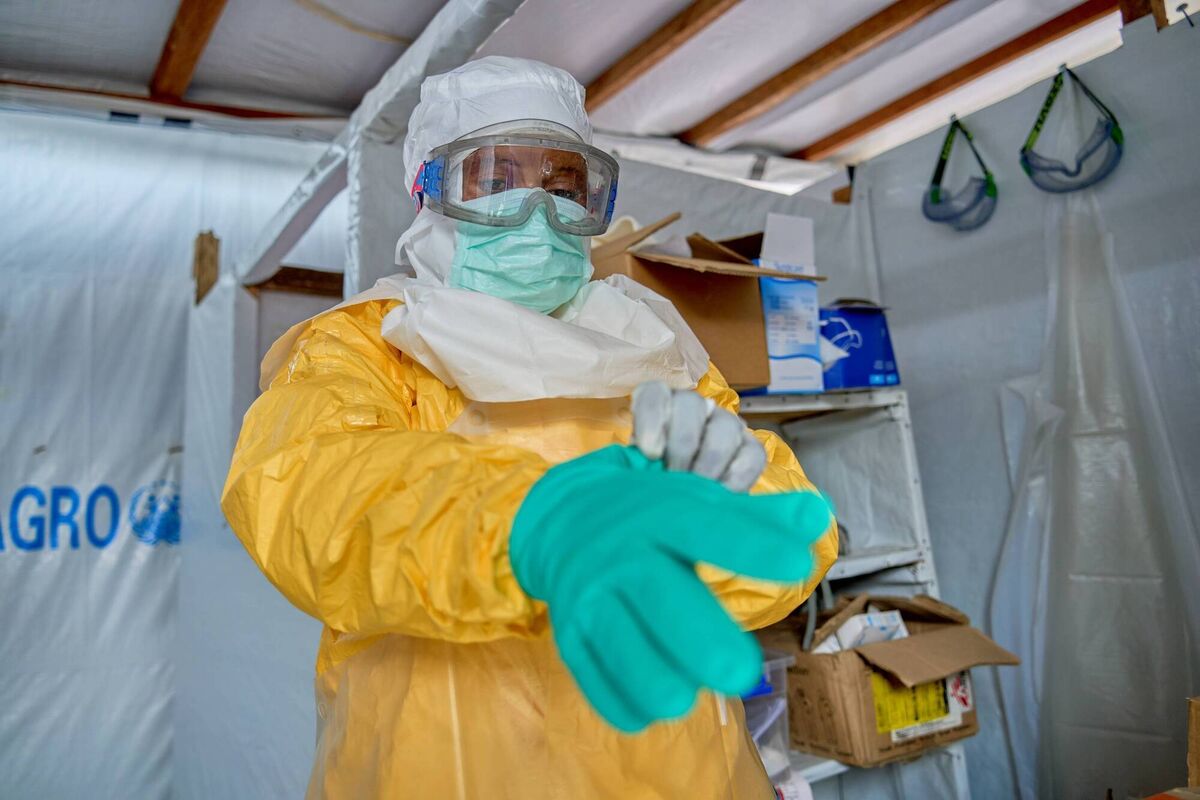
And something else that is encouraging is that we now have people who have recovered through intensive care in ebola treatment centres, so that is really reassuring.
Last week, I visited some rural communities and those in the city affected by this outbreak; you can see communities struggling to get a handle on this crisis.
After seeing this and speaking with colleagues and partners, it's clear Trócaire's support during this outbreak is more important than ever. Trócaire has been in this province of DRC since the early 1990s and is a trusted aid organisation in the area.
In terms of what we are doing right now, it is so important that, alongside the medical response, we have a community response, and that is what we have learned from previous ebola responses.
Trócaire, with funding from Irish Aid and other donors, is focusing on preventive measures like ebola messaging, where we educate and inform people on good hand-washing practices, safe and dignified burials, and other protective measures.
We do this by printing communication materials like posters and flyers in various dialects and distributing them in the community. We also spread these messages through radio broadcasts. We have set up information kiosks, which proved very useful during the ebola outbreak in Sierra Leone some time ago.
We are also strengthening infection prevention and control measures in health facilities where people are at very high risk by constructing new latrines, providing clean water for sanitation, and providing personal protective equipment (PPE) like gloves and face masks for health workers.
We are also supporting people who have had to quarantine. We are ensuring the families of infected patients, who must observe a household quarantine for 21 days, have access to food and other necessities. We provide food assistance, hygiene kits and psychosocial support.
We have also extended this psychosocial support to health workers and those who have recovered from ebola so they can be resilient and reintegrated into their communities. We are providing health promotion equipment, such as hand-washing stations in communities and health facilities, and supplying water and water storage tanks in the community.
We have rehabilitated one of the ebola treatment centres and we are planning to support safe burials. One other thing we are doing is supporting women who are due to have babies or who are in antenatal care because they are currently scared to attend appointments, as health facilities are currently one of the highest-risk places for contamination. So we provide them with information and direct them to safe facilities where they can deliver their babies safely.
In terms of funding this crisis response, there is no denying that before the recent US cuts, USAID was the major funder in DRC, supporting the overall health system and some of the specific sectors that are important in an outbreak such as the one we are experiencing, like water supply, sanitation and hygiene in health facilities, displacement camps and in the community.
Currently, there is no USAID support, so there is a gap, and I know of several humanitarian organisations that have had to withdraw from this area due to a lack of funding.
With this new outbreak, we have seen other donors mobilise, and we hope the humanitarian situation in eastern DRC, particularly Ituri, can be highlighted and receive the appropriate support required.
- Julien Muyisa Mapilanga works for Trócaire in DRC

CONNECT WITH US TODAY



Be the first to know the latest news and updates