Brendan Horan: Ireland's supersized class sizes are an embarrassment
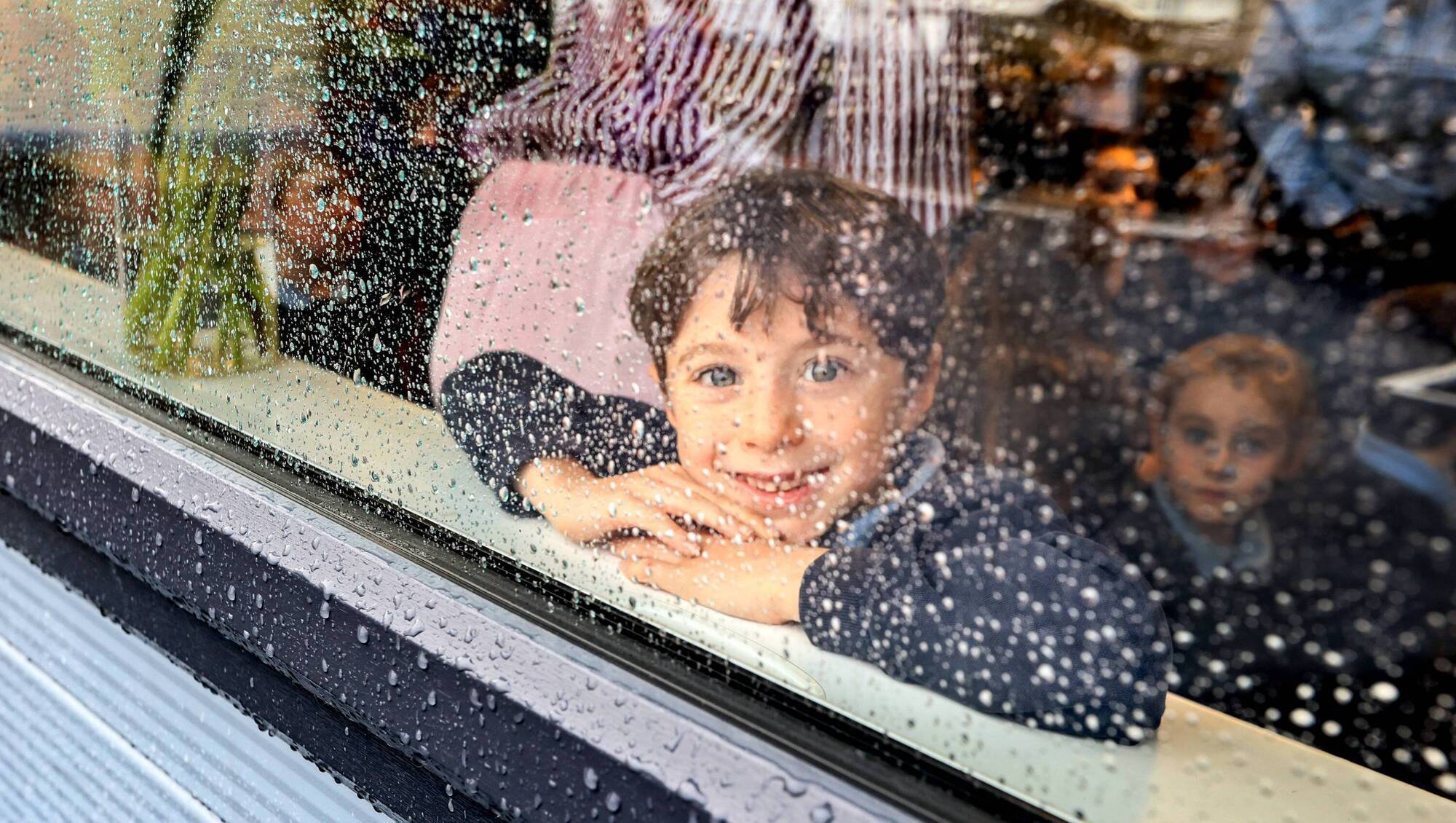
Bobby Curran at Coolick National School in Killarney, Co Kerry: Despite growing surpluses in public finances, overcrowded classes persist because Ireland’s primary education system is underfunded. File picture: Valerie O'Sullivan
Do visiting EU dignitaries realise our supersized primary classes are the shame of Europe?
Indeed, do Irish parents realise?
Let’s start with the cold, hard truth before we address the Government’s PR mission to cut expenditure on public services — our children are languishing behind their European peers.
Despite growing surpluses in public finances, overcrowded classes persist because Ireland’s primary education system is underfunded.
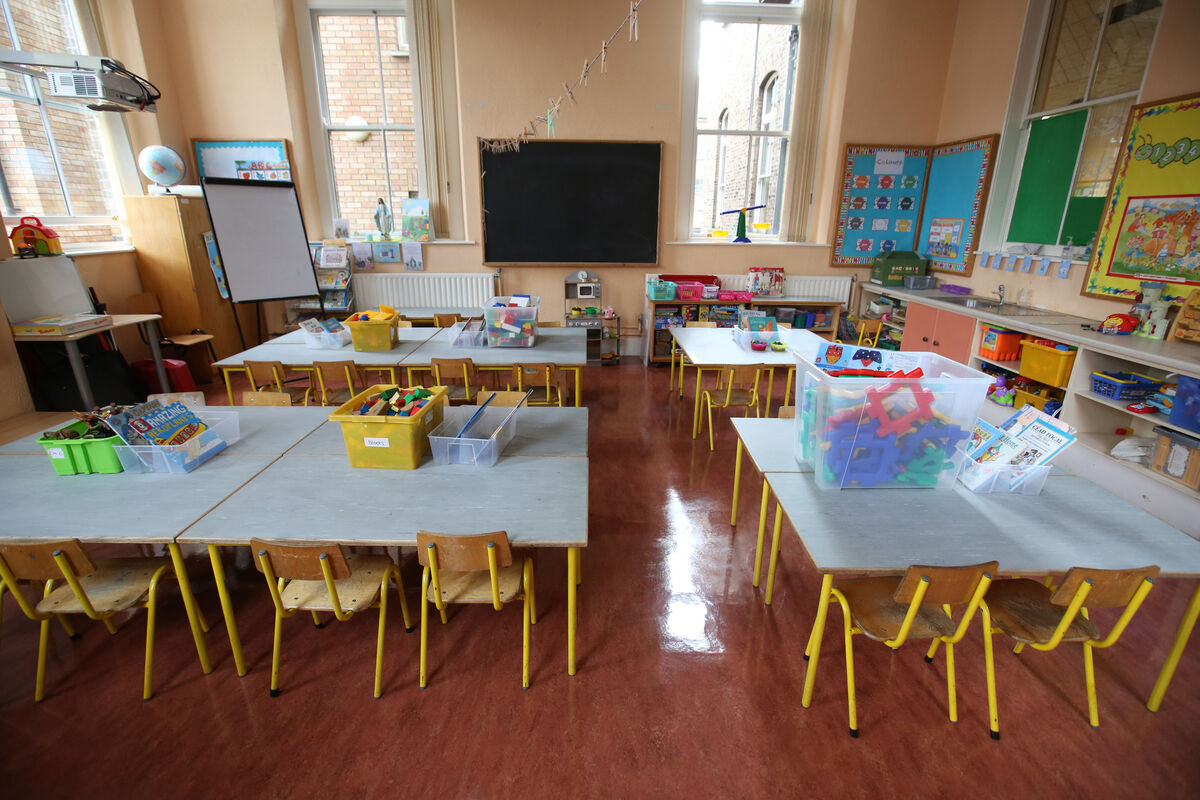
The Department of Education recently confirmed 428,941 children attended classes larger than the EU average of 19 this year. Indeed, the number of classes with 35 or more pupils increased.
Just last month, education minister Hildegarde Naughton unashamedly stated there were 1,251 classes with 30 children or more in our primary schools.
In Cork, at least 139 schools in the county have classes that are above the EU average size of 19 pupils. Staggeringly, 10 of those have classes defined by the department itself as "large" or "very large" — six have classes with 30+ pupils, four have supersized classes with 35 (or more) pupils.
Read More
As a proud Tipperary man, the reason I point to my hurling rivals as an example is due to the fact INTO activists in Cork have been particularly engaged in our union’s pre-budget campaign calling for teacher recruitment. Class size is a hot topic in the county.
The Taoiseach and his Cork-based junior ministers should take note of the ‘Rebel Yell’, but it is a national issue.
Having recently travelled to Cambodia to meet with teachers and pupils supported by funding provided by the INTO, I felt as though it resembled a time-travelling experience when viewing classes of 50+ pupils.
Our class sizes may compare favourably to a developing country, but they do not look good when held up against our fellow EU member states. Visiting European dignitaries might even have a similar time-travel experience to my own if they were to drop into an Irish primary classroom during their time here.
In Ireland, classroom teachers are provided for 23 pupils — whereas average class sizes in Croatia, Greece and Latvia are well below the EU average of 19 (with some as low as 13). Never mind our average of 23, what would a teacher or ambassador from an EU neighbouring country make of our supersized classes?
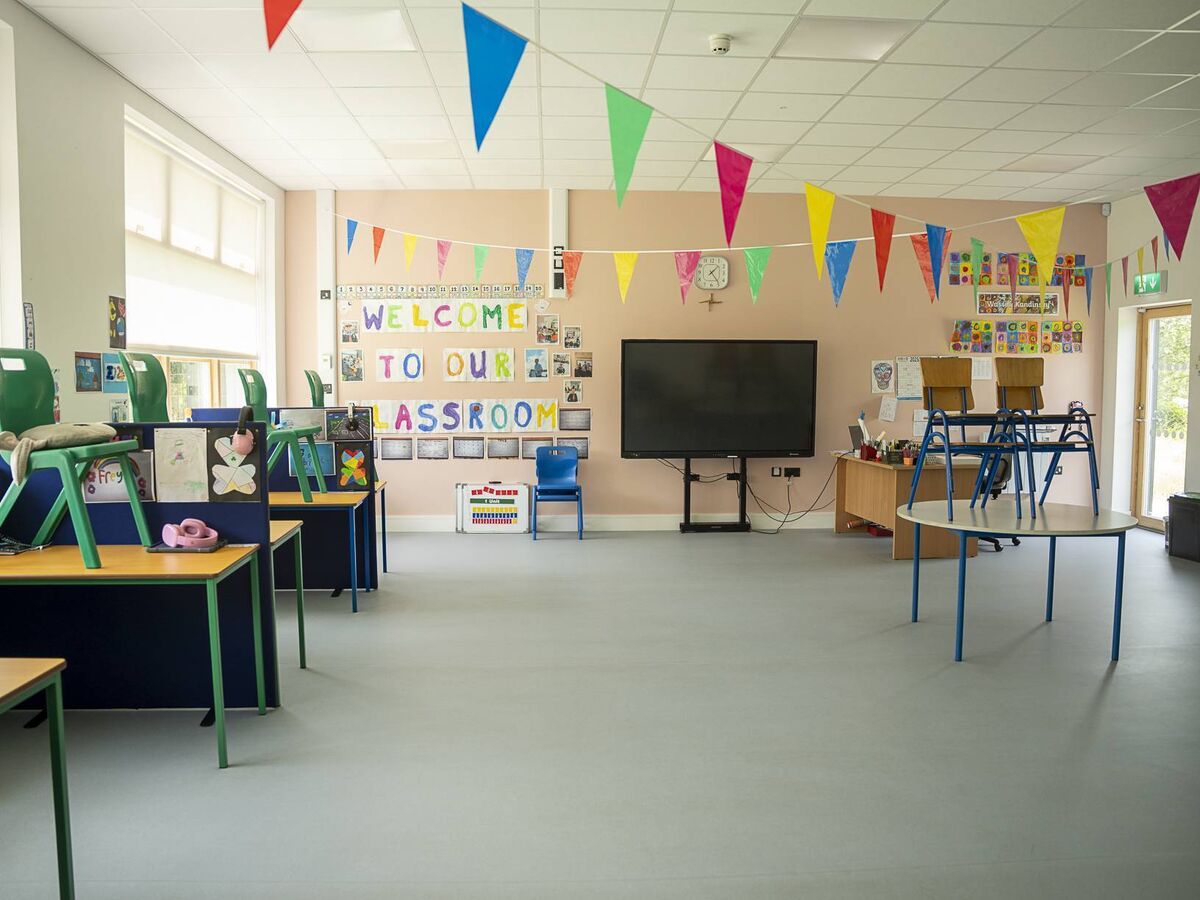
Will they be impressed with Ireland having the most overcrowded primary school classrooms in Europe? Indeed, if you are a parent, guardian, grandparent — or anyone concerned about your local community and school — are you impressed by such a shameful state of affairs?
My interaction with all the above categories of people throughout the country in my role as INTO president suggests not.
In fact, the recently-published summary report of the public consultation on priorities for Ireland’s EU presidency points to where the public feel Government focus and funding should go.
It states the Irish presidency should: “push for a stronger promotion of skills and education”, with an additional call for cohesion and investment in public services.
It would seem certain Government figures and officials have decided to ignore such calls.
Monday’s included a report quoting a senior Government source who spoke of “sobering assessments” ahead of Budget 2027 and how the cabinet must spend on “actual priorities”.
It noted how certain cuts were needed “to make up for major overspends at the Department of Education”. This is a continuation of a now-established tactic to spin a contrived narrative of an “overspend” in education.
Yet the recent OECD ‘Education at a Glance’ 2025 report states Ireland’s education spend (at 2.8% of GDP, below the OECD average of 4.7%) is the lowest among 34 nations.
Only 11% of overall Government expenditure goes to education. Thirty years ago, it was 14.5%. Successive governments should have raised it to at least 16% by now.
The truth is the Department of Education needed a supplementary budget earlier this year because the Department of Public Expenditure left one million pupils — and 4,000 schools — well short of the funding they needed to thrive in 2026.
Government is failing to fulfil its own programme, which committed to reducing class sizes to the European average. Nine hundred mainstream class teachers have been removed since June 2024. It’s hard to overemphasise the knock-on effect of that approach.
Issues relating to staffing and class sizes impact on so many areas of primary education. For example, most children with additional needs attend mainstream schools, yet many schools have seen their allocation of special education teachers reduced.
Granted, the number of special classes has increased — but a truly inclusive system would enable children in those classes to integrate regularly with their mainstream peers. Our massive class sizes impede real inclusion.
Seventy five small rural schools are under severe threat of closure. In the last year alone, at least 11 schools have closed permanently, while others were amalgamated. In Munster, the INTO has identified at least 19 schools under threat.
Internationally, the quality of Ireland’s education system has long been recognised. Its legacy of excellence, built on high-quality teaching delivered strong outcomes and clearly influenced multinational companies who were attracted by our educated workforce to locate here.
The INTO’s ask for €20m to fund 1,000 more primary teachers from Budget 2027 is essential. We must halt the cull of mainstream teachers.
This would add to the great progress made in education, which has seen Irish students consistently perform strongly across international benchmarks such as PISA, PIRLS, and other OECD and EU indicators — thanks, in large part, to their teachers.
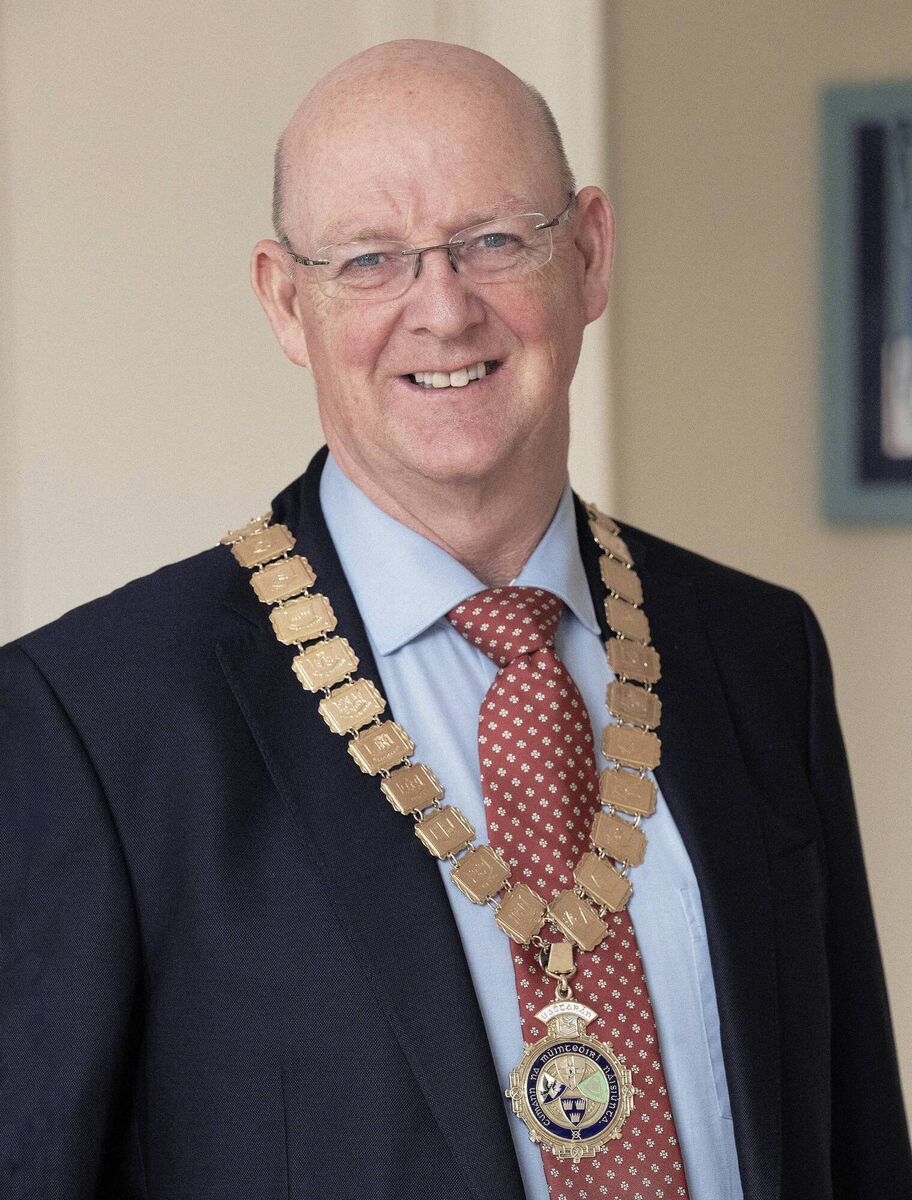
- Brendan Horan is president of the Irish National Teachers’ Organisation (INTO)

CONNECT WITH US TODAY



Be the first to know the latest news and updates