John Gibbons: Ireland needs an emergency food stockpile
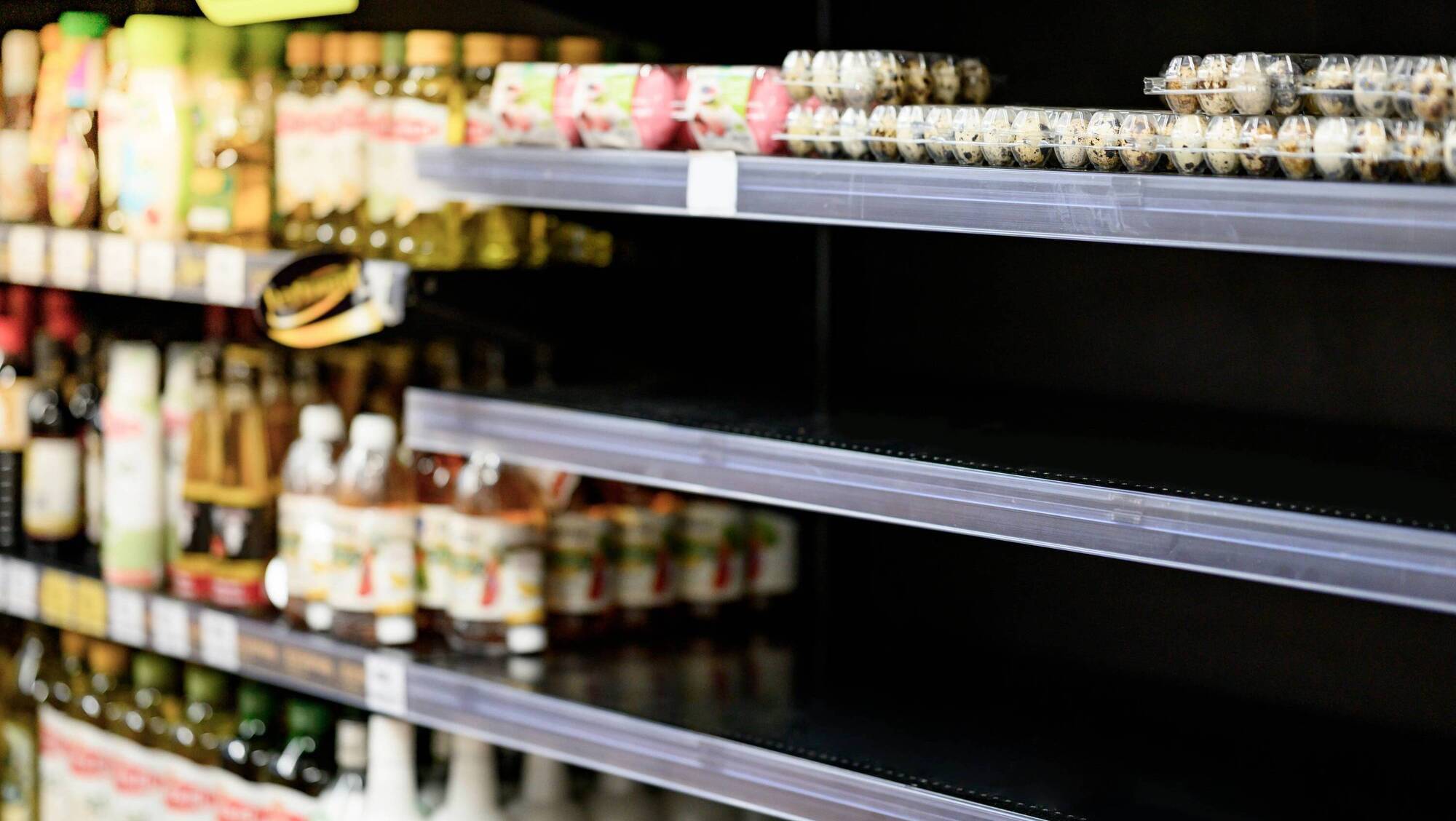
Despite the notion that Ireland is a 'food island', we import four fifths of our food and much of our agriculture sector is devoted to import-dependent intensive livestock production. We will be in a very bad place if world food supplies dry up.
At any given time, around 1.7m tonnes of oil are held in the Irish State’s national reserve, most of it stored in facilities around the country.
This strategic stockpile is managed by the National Oil Reserves Agency (Nora) and is designed to provide a 90-day emergency buffer in the event of a dire emergency in which Ireland is unable to import liquid fuels for an extended period.
Nora is funded by a levy of 2c per litre of fuel sold. This levy might best be thought of as an insurance policy to hedge against disaster. And, like all insurance policies, it’s a total waste of money — until the day you need it.
While there is occasional grumbling about the levy, few have ever suggested it would be a good idea to shut down Nora, sell off its reserves, and cross our fingers in depending totally on the international energy and shipping markets to always run smoothly.
Yet, when it comes to food, this is exactly what we are doing. Propelled by the marketing mythology of being a ‘food island’, Ireland has stumbled into a position of acute vulnerability to food system breakdown with no backup plan in place, no serious political discussion, and a deafening society-wide silence as to just how dire our situation is fast becoming.
CLIMATE & SUSTAINABILITY HUB
The warning shots have been landing with ever-increasing frequency, from the covid pandemic to the Ukraine war and the Iran imbroglio.
Looming over these crises is the fathomless global climate emergency, which has been simmering ominously in recent years, but which this summer boiled over, with severe drought conditions and multiple heatwaves sweeping Europe, Asia, the Americas, and much of the world’s oceans.
France is a European powerhouse of cereal production, but its 2026 harvest is likely to be 4m-5m tonnes below normal. Apart from severely depleting soils of moisture, intense drought conditions have seen four of Europe’s largest rivers, the Rhine, Danube, Po, and Loire all hit record low levels, with major impacts on these arteries of commerce.
Wildfires last year consumed well over a million hectares across Europe, and all indications point to this year being worse.
In 2027, with a powerful looming El Niño bringing even more extreme conditions to Europe and beyond, it could be worse again.
Spokespeople for Irish farming organisations in interviews in recent days stress the “unprecedented” nature of this year’s drought, the unstated assumption being that things will be back to normal next year.
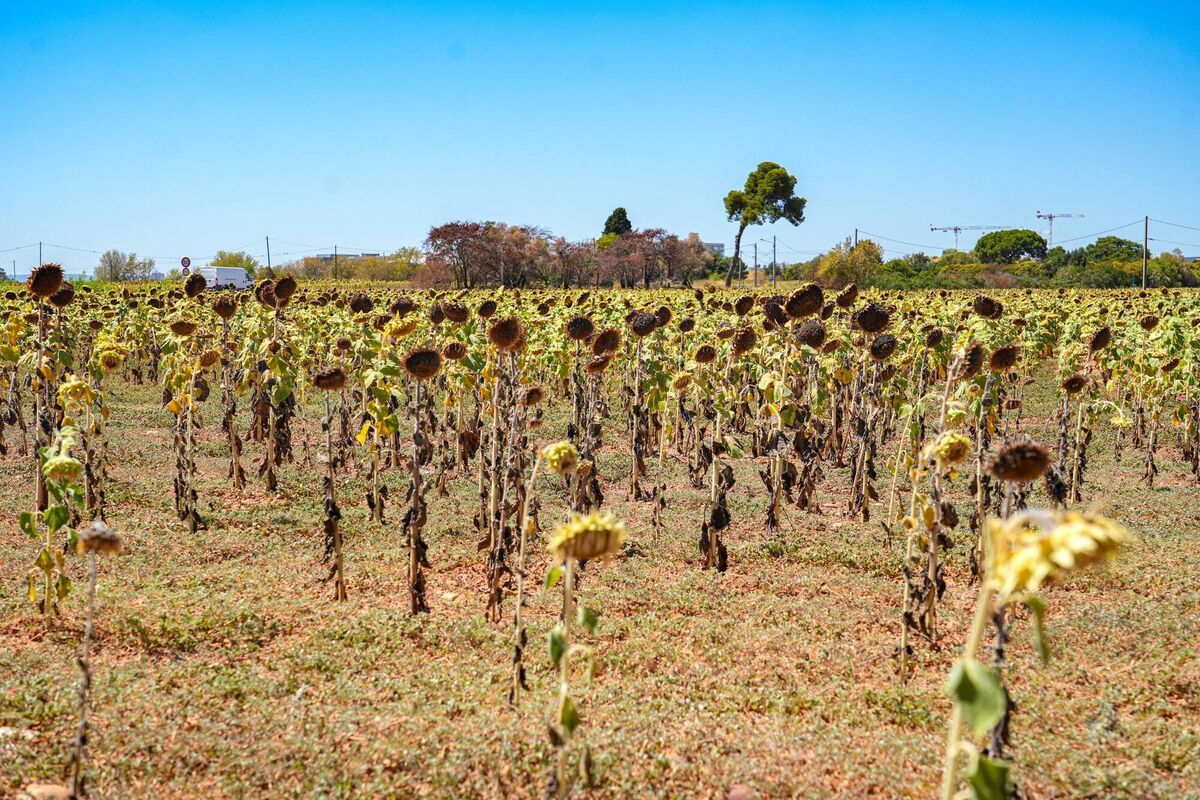
However, the stable climatic conditions that made agriculture so predictable and productive are gone and are likely never coming back.
And, however unpalatable some may find it, the new reality for food production in Ireland and across Europe is going to be vastly more challenging. I believe the Irish model consisting almost exclusively of monocultural, export-based intensive livestock production that in turn depends heavily on imported inputs will prove to be a monumental error.
We need to urgently pivot to a diversified system of mainly plant-based mixed farming that works with, not against, nature and is capable of meeting the essential food needs of the Irish population, while exporting modest surpluses.
That, however, is not the focus of this article.
Even if we could start next week, it will take time to begin this transition in earnest — time we no longer have.
Long before we have made the switch, we could be facing the spectre of spiralling food prices, food shortages, and empty supermarket shelves, occasionally at first, but more and more often over time as many of the world’s major food producing regions sharply curb exports to feed their own populations.
Global temperatures are beginning to edge past the 1.5C danger line climate scientists have long warned of, thus ushering in the end of the era of cheap, plentiful food.
Read More
A 2024 report for the UK government drawn up by an expert group of civil servants concluded there was a realistic possibility of the “catastrophic failure” of its national food system by 2030 as ecosystems crumbled. Yes, 2030.
While UK planners are alarmed that nearly half of the nation’s basic food needs depend on imports, why have their Irish counterparts nothing whatever to say about a situation where more than four fifths of our total calorific needs are imported?
Why the omerta?
Perhaps it’s because our politicians have been colluding with the industrial livestock sector in peddling myths about our uniquely efficient, clean, and green food systems for so long that they now fear losing face should they try to point out the obvious at this late stage.
After the Second World War, many European countries maintained strategic food stores, especially when the shadow of the Cold War hung over the continent, but in recent decades, many of these giant stores were abandoned as globalised trade and just-in-time logistics ushered in an era of highly efficient food distribution.
The trade-off for efficiency is the loss of resilience. Nordic countries, notably Finland, maintained their stockpiles, mindful of their proximity to Russia.
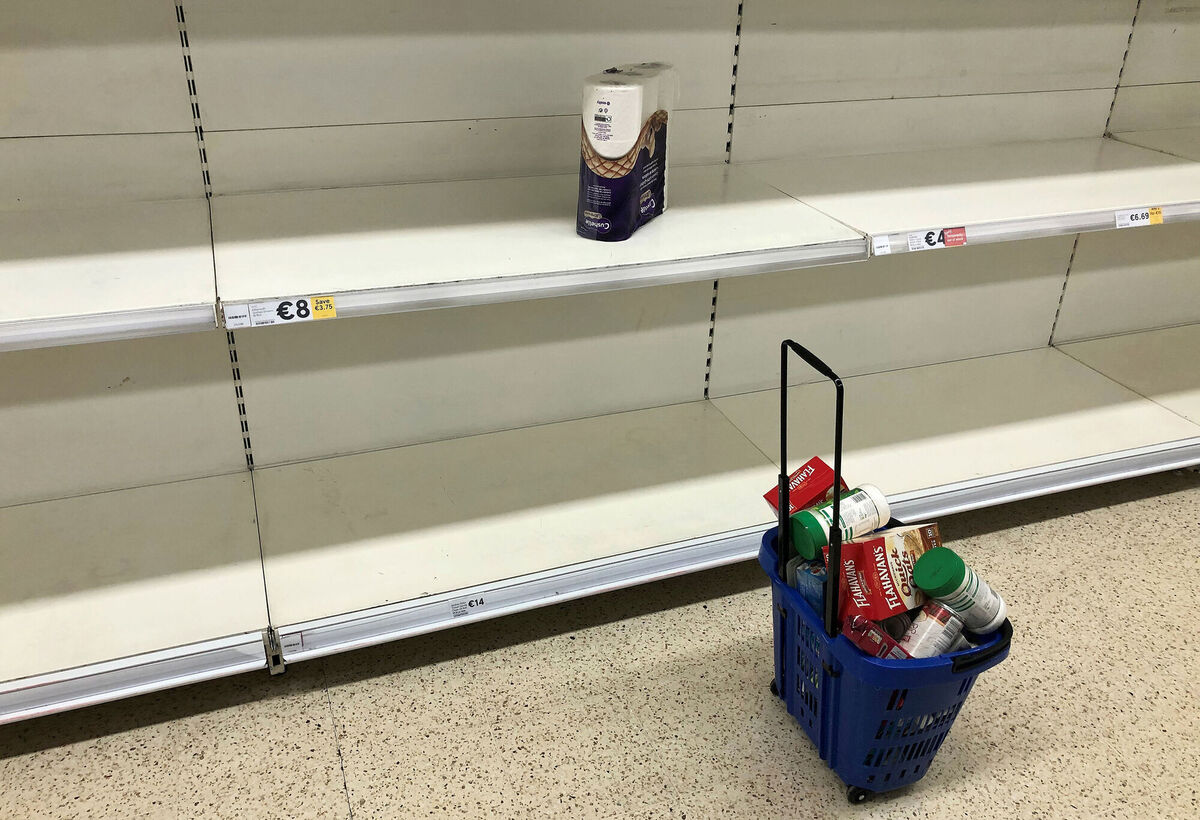
Since the Ukraine invasion, Norway and Sweden have rushed to rebuild emergency food stocks. Poland, Switzerland, and Germany also maintain state-managed reserves of non-perishable food.
Few of these countries are as remote from supply chains and as import-dependent as Ireland.
With ample cash available to our Government for critical projects, surely now is the time to commission to build or purchase a series of giant warehouses, similar in scale to the scores of data centres that have sprung up in recent years.
It may make sense to co-locate them with existing security infrastructure.
The Curragh military camp in Co Kildare, with ample land and ready access to the greater Dublin area, would be one obvious place to build, given the need for these facilities to be absolutely secure.
If we follow the Nora model of holding 90 days’ supplies in storage, fully meeting the food needs of our population of 5.5m would require warehousing around 750,000 tonnes of food — which is less than half the tonnage of oil in Nora storage, so this is far from an impossible task.
The task of managing this food reserve could be given to a new ministry of national food security, one I would suggest we create by dissolving the existing Department of Agriculture as well as Teagasc, the state agri research agency.
Both are ossified within the existing productivist paradigm and neither appear remotely capable of responding to the dangerous new circumstances we face.
More than a century ago, US journalist Alfred Henry Lewis wrote: “There are only nine meals between mankind and anarchy.” Let’s never have to find out how true that statement is.
- John Gibbons is an environmental journalist and author of ‘The Lie of the Land — The Truth About Farming, Climate & Power in Ireland’
Read More


CLIMATE & SUSTAINABILITY HUB
CONNECT WITH US TODAY



Be the first to know the latest news and updates