Being new to grief gives insight — take heed, if you aren't here yet
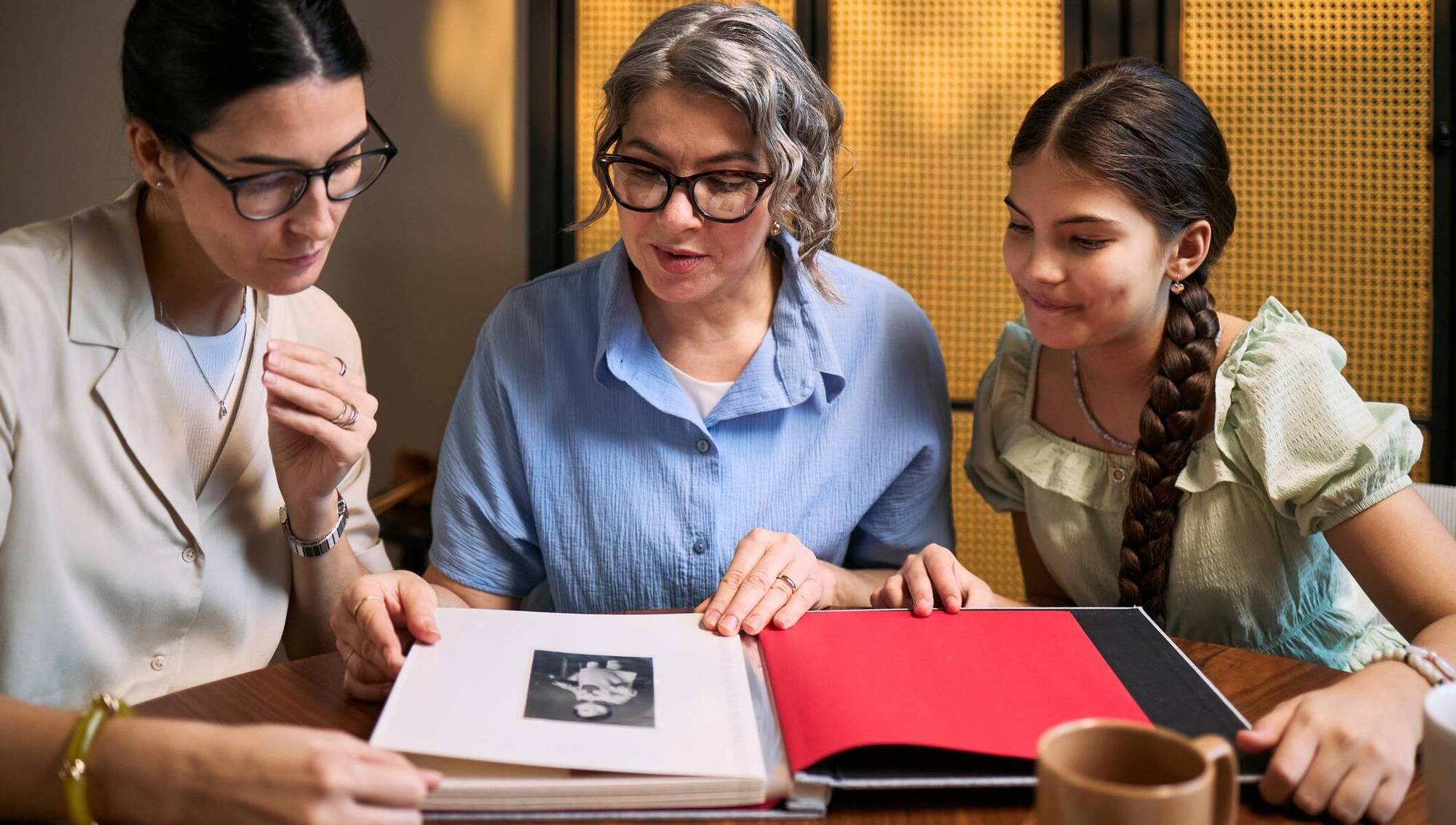
Ask them the name of the person they lived with in 1967 and in 1994, and about the people in their black and white pictures. In a world where so much information is never and can never be lost (much to our dismay) we forget that some information is not stored anywhere. One day, your loved one’s story will be lost in a way that is hard to grasp now.
During my twenties, I worked in a lot of bars. Eighteen, to be exact. Mostly because I moved a lot. Sometimes because I was not very good at the job.
I learned something from always being new that stuck with me: sometimes people who are new to a place see important things about how it works and can offer a kind of insight that others can’t.
I am new to grief.
In the last six months, I have experienced more loss than in the rest of my adult life combined. Just like when I was in my twenties and had the urge to tell my boss that the mixers were too far from the spirits, I’m compelled to share what I see now.
You don’t just miss them. You miss the way they saw you. The good parts of you they believed in. The parts that other people don’t see and will never take the time to look for.
You realise that good and bad words from someone who loves you are all love. You wish you understood that when they were here.
You miss their way. How their face moves. How the world arranged and presented itself when you were with them. The outline of their body in a doorway, waving. You understand now: real beauty is just love.
There was a particular sensation your body held when you were near them and you reach for it now, but it is not there. It no longer exists. You look at posed pictures; they are flat, lifeless. You go in search of anything that is them: anything real, candid, tactile, so this moment is not without them.
So much of what they knew died with them. The detail of their life: the date, the name, the age, the school, the summer in between. The closest thing you have now is what you recall and what others can offer.
You piece together your own version of everything they were and everything they knew, hoping it is the same, hoping it is them. But it is the own-brand version of the real thing.
Still, you take it. You wonder if the people who knew your loved one want to be close to you as a substitute for the person you both miss.
‘Waves of grief’ is not a metaphor. It is a literal experience. It moves through your body no differently to that of a body of water in the ocean; rising, cresting and crashing.
When it is rising, you believe you will drown. It is in this moment that you realise why people do such terrible things to stop this kind of pain.
The time between the waves grows and, to your surprise, you miss the rising and crashing.
The new empty grey reality is worse. The mayhem of grief is somehow better than the stillness of it.
You yearn for the violent upheaval of sadness consuming your body because that was at least caused by them.
The injustice of their story ending when you know there was more.
The indignation that their existence can be summed up with ‘she died’ to a stranger. How dare that stranger understand your loved one as a dead person.
And then, in moments, you understand your loved one as a dead person. Your mind shifts between this and shock that they are gone.
Like the waves, you come to feel protective of the shock. As it fades, you worry they will too.
You start to wonder if you will ever be happy again. You Google it and search through answers from strangers who have been here, in grief, for longer.
Other people, not in grief, do not understand and you spend your time torn between anger at them and sadness that this awaits them, too.
I am new to grief. I don’t have answers. But I do have suggestions for those not yet here. Just like when I was sure my old bosses should listen to my ideas, I am sure you should listen to me now.
Take videos of the people you love doing the ordinary things they do every day. Capture them speaking plainly. Record them sitting in their chair with their tea, made the way they like it.
Do this covertly if you must. Beg for forgiveness. Most likely, you have enough pictures of them in their Sunday best. It is not this version of them you will miss.
Ask them mundane questions about their life, from start to finish. Ask them the name of the person they lived with in 1967 and in 1994, and about the people in their black and white pictures.
In a world where so much information is never and can never be lost (much to our dismay) we forget that some information is not stored anywhere. One day, your loved one’s story will be lost in a way that is hard to grasp now.

Reflect back to them the small, maddening, funny things they do. Laugh with them.
Let them know you see them as they are and that you love them as they are.
Tell them that you love them, even when it is hard and strange. Because you will say it over and over, so easily and so brutally, when they are gone.
And listen to the new person’s ideas. They are seeing what you are not: something for the first time.
- Jane McNamara is a broadcast journalist at Newstalk