Kate Durrant: Leaving my body to science means I'll finally go to college
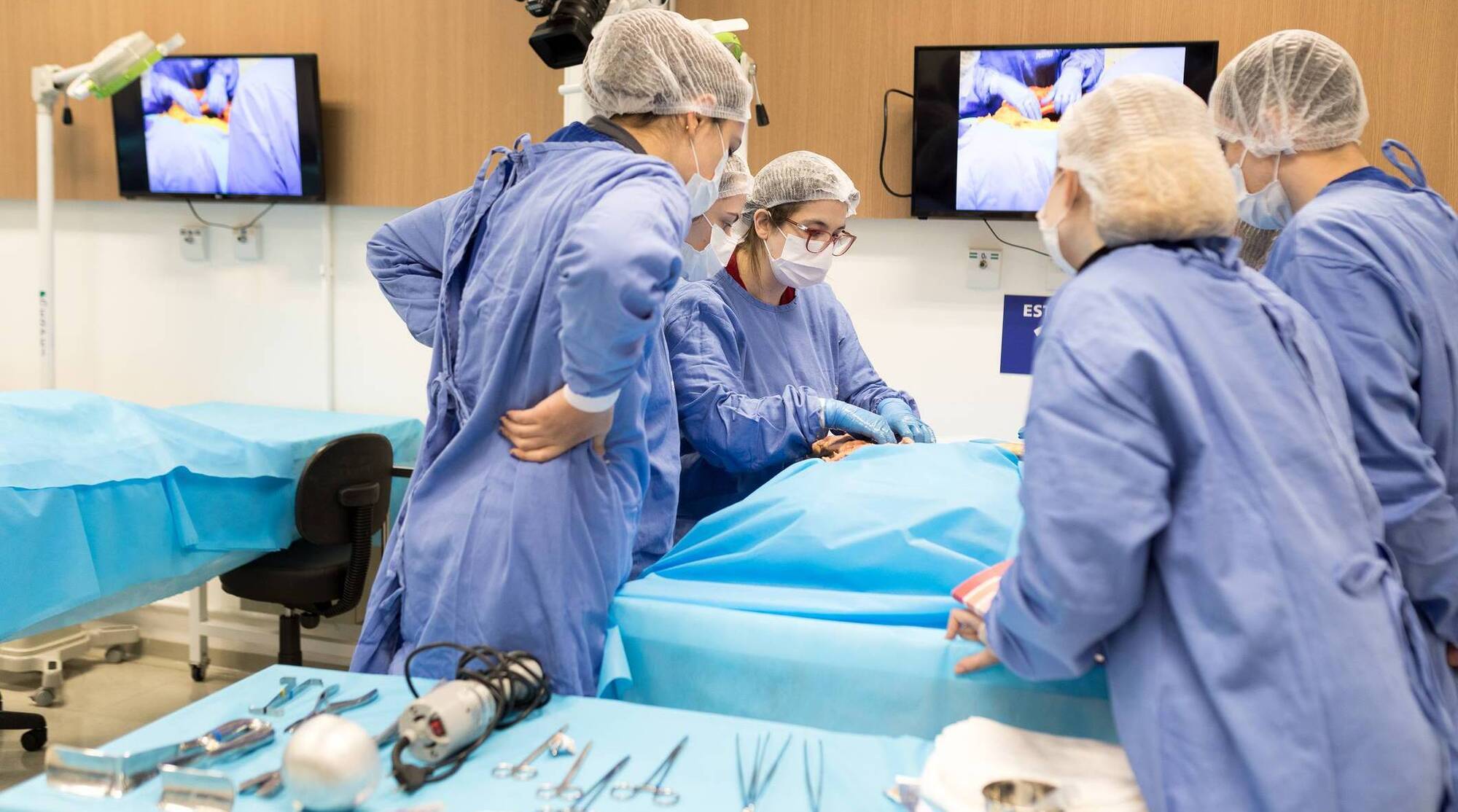
I have a fear of being buried alive — thank you, Alfred Hitchcock — and figure that, if nothing else, if my body is in a medical laboratory they will definitely make sure I’m dead. File picture
Increasing numbers of us are choosing to make ourselves useful after we die.
Figures released by the Medical Council last month show that more than 500 people donated their bodies to medical science in Ireland during the past five years, with the annual number rising steadily from 79 in 2021 to 119 in 2025.
I hope eventually to add to that statistic — albeit a long way into the future — but despite having completed the paper work to leave my body to medical science over two years ago, it was only this week that I finally posted the forms back.
The document had been sitting in the back of my diary since March 4, 2024, or so the date beside my signature tells me. Every time it slid out, along with the bills waiting to be filed — or paid — and the birthday cards bought but not yet sent, I put it away again.
I’m not sure what my reluctance was about; this is something I’ve always intended to do.
My paternal grandparents left their bodies to medical research. They lived in far more austere times, and I suspect their motivation may have been to save their family the expense of a funeral, or perhaps it was their determined atheism — I’ll never know.
For me, it’s for many reasons and none. I hate waste, and whilst I’m not sure what happens after we die, I do know that it’s not going to involve my physical body.
I also have a fear of being buried alive — thank you, Alfred Hitchcock — and figure that, if nothing else, if my body is in a medical laboratory they will definitely make sure I’m dead.
But, putting my irrational fears to one side, there are other, more sensible reasons for my decision.
I have two children.
My daughter lives in Australia and is unlikely to visit my grave more than once, maybe twice, in her lifetime and I don’t want my son and daughter-in-law, who live locally, to be tethered to a physical resting place that they may feel obliged to visit.
And the thought of splitting my ashes, sending half to Australia and leaving bits of me behind in Ireland — "Which part of me would you like?" — leaves me cold.
I discussed it with my children, neither of whom seemed surprised, or were in any way resistant.
Because of the physical distance between us, the conversation with my daughter carried more weight. Given the time it would take her to return to Ireland, unless she happens to be in the country when I die, she won’t get to see my body.
I think much of my reluctance to return the form came from worrying that this might make her grieving harder, something I would hate to do.
My father’s ashes lie in the graveyard I overlook from my house, and I visit him most days, mainly because I pass it on my daily walk with the dogs. Going in to “say hello to grandad” is as easy as stopping for the paper, and just as comforting.
And I know that makes me something of a hypocrite — taking comfort from knowing where my father’s remains are while possibly denying my children that same comfort.
Taking that into account, I have chosen the three-year donation option, so eventually my ashes will be returned to them and can be interred in the same graveyard.
So, with the emotional stuff — the important stuff — out of the way, the practicalities are surprisingly straightforward. First, I can change my mind at any time. Not something I imagine doing, but good to know.
When I die, my family must contact UCC as soon as possible, as my body needs to arrive there within 48 hours. It may then be used to teach medical, dental and other healthcare students, or used for research.
There are several different options for what happens to my remains once the university has finished with my body.
There is my chosen option, that will see my ashes returned to my family after a period of three years, but you can also choose to leave your body to the university permanently, in which case your ashes or remains will be placed in the university plot, as dictated by your wishes.
Like all college entrants, though, acceptance isn’t guaranteed, and I still have to meet the criteria.
Organ donation, certain infections or illnesses, recent surgery or even practical circumstances at the university could rule me out, so I have my Plan B — a quick cremation, a few verses of How Great Thou Art, followed by tea and buns in the church — written down and ready to go.
And, as someone who left school at the tender age of 16 without a piece of paper to my name, I can’t wait to pop down and see Dad and tell him that finally — not yet, but eventually — his daughter might be going to university after all.
- Further details about leaving your body to medical science, and the different options available, can be obtained from UCC’s Anatomical Donation Programme at ucc.ie/anatomy.
- Kate Durrant is a writer based in Blarney.

CONNECT WITH US TODAY



Be the first to know the latest news and updates