Michelle Dunne: Society, not crime fiction, normalises violence against women
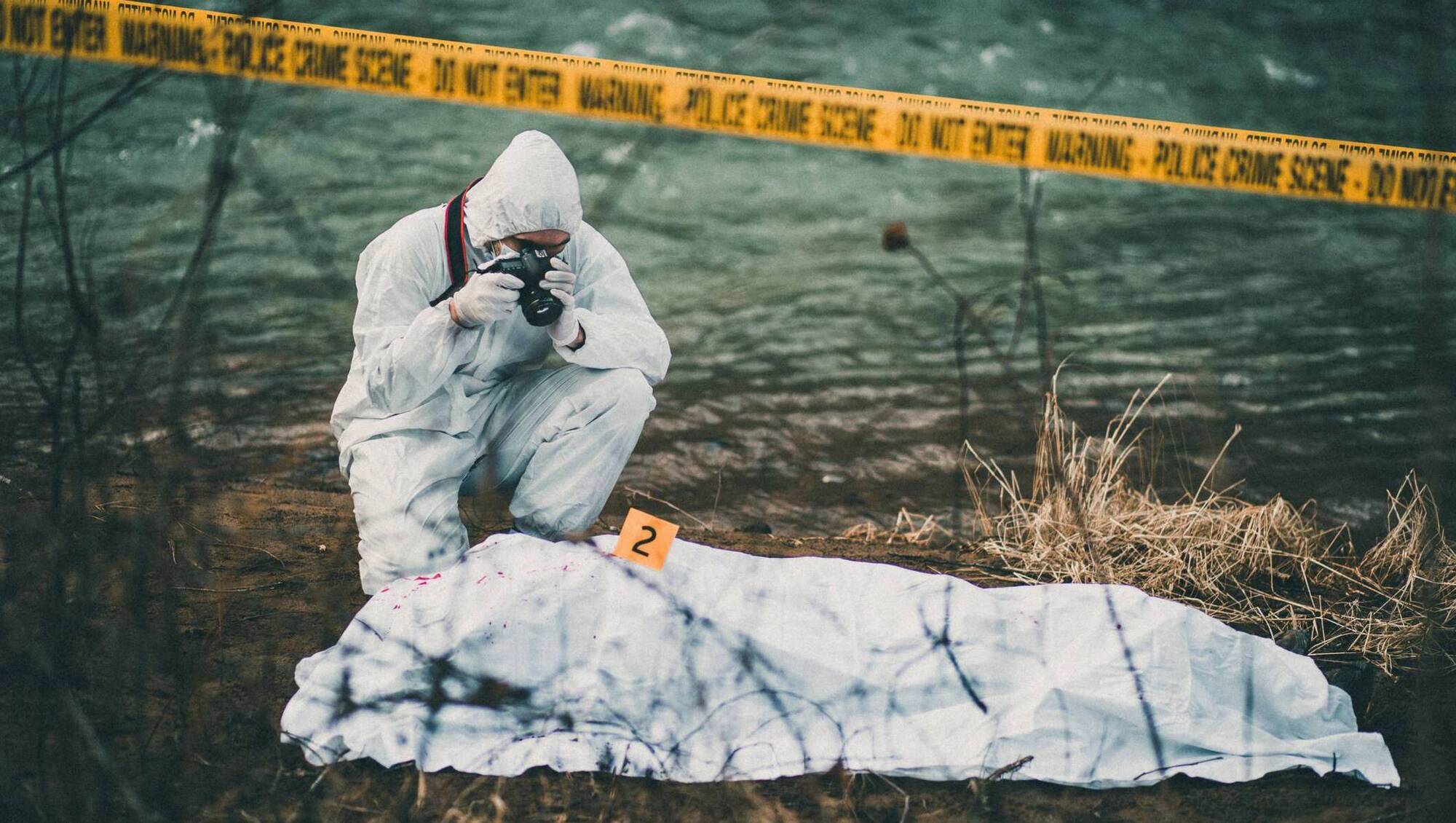
By including femicide as part of the overall plot of a book, rather than just an isolated case of murder, we’re shining a light on some of the darker elements that exist in our society,
Is crime fiction normalising violence against women?
While everyone’s talking about the prevalence of murdered women in crime fiction, I’m here wondering why anyone is surprised by it? It’s not like all these female victims are put there by accident. In fact, the thriller element of crime fiction is safe in the knowledge that this could actually happen in real life. It does happen. So, what is crime fiction if not a close examination of the society we live in?
We shouldn’t forget that in real life, eight women have died violently in the Republic of Ireland this year alone and we’re only halfway through. There’s no knowing how many more are facing violence and living in fear of being killed at this very minute. This is the society we live in.
The reason we pay such close attention to news stories about violence against women is because they reflect the fear that’s always churning just beneath the surface.
The same could be said for why crime fiction readers continue to turn the pages long after they should have gone to sleep, and why those readers are predominantly women, because in real life, we’re always having to navigate the reality of male violence, whether it’s walking with our keys jutting out from our closed fist, or memorising the name and licence ID of our taxi driver. To women, the topic is a deeply personal one.
Where once her only purpose was to be the victim, now her life is examined in detail, as are all the events leading up to her death, along with all the people who once inhabited her world.
Unlike the sensational headlines, in fiction, the dead woman isn’t used for shock value. Instead, she gives us something that our newsfeed rarely does — understanding.
Authors go to great lengths to make us understand the hows and whys of what happened. They show us the environment that nurtured such violence, just like our society does, and while the headline brings nothing but despair, the author gives us hope that someone in the justice system will do everything they can to ensure that the aggressor pays, one way or another.
That justice will be sought and closure can be achieved, which isn’t always true in real life. Also, the good guy is more often a gritty female detective these days, or an ordinary woman who finds herself in extraordinary circumstances. Or maybe a survivor of male violence.
Here, we get to explore how they survived. How they picked themselves up and moved forward with their lives, figuring out how to live in their new reality, while seeking justice or revenge against their aggressor. It lets us put ourselves in their shoes and ask ourselves the question, what would I do? Or, could I do that?
By including femicide as part of the overall plot of a book, rather than just an isolated case of murder, we’re shining a light on some of the darker elements that exist in our society, which, as an author, I feel really strongly about.
Things like coercive control, domestic abuse, societal indifference to gender-based violence, abuse and neglect, along with all the ways in which people are let down by the systems that are supposed to protect them.
The other day I read an article suggesting the murdered woman trope normalises violence against women and I couldn’t disagree more. What normalises violence against women are questions like, what was she wearing, or how much did she have to drink, or why didn’t she just leave.
All just another way of saying, well, what did she expect? It’s 2026. We’re supposed to be evolved and intelligent human beings and yet we still barely ask, let alone demand, explanations from the people who chose to use violence. It’s still the victim who has to explain herself. We still ask these questions of her by way of saying what happened to her was normal under circumstances created by her.
So no, I don’t think crime fiction normalises violence against women. I think it examines it closely, and as long as society keeps churning out these stories, people will continue to write about them — and so they should. I know I will.
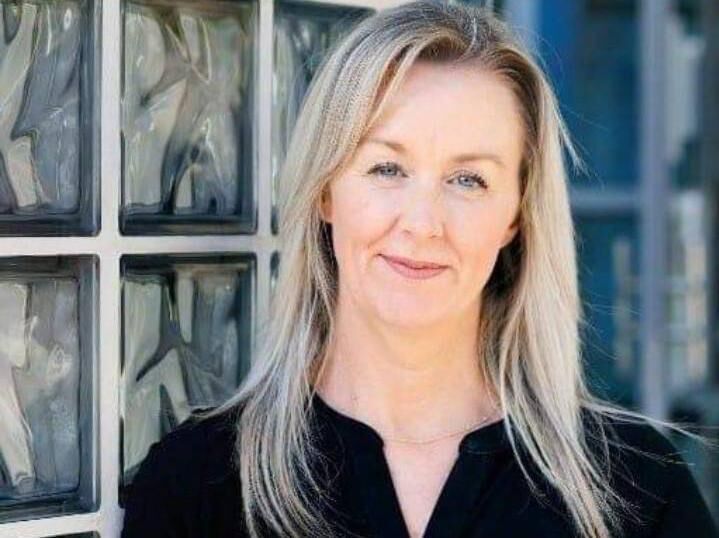
- Michelle Dunne is a a crime fiction author and organiser of the Spike Island Literary Festival, which takes place this year on September 5-7. See spikeislandcork.ie for more information

CONNECT WITH US TODAY



Be the first to know the latest news and updates